
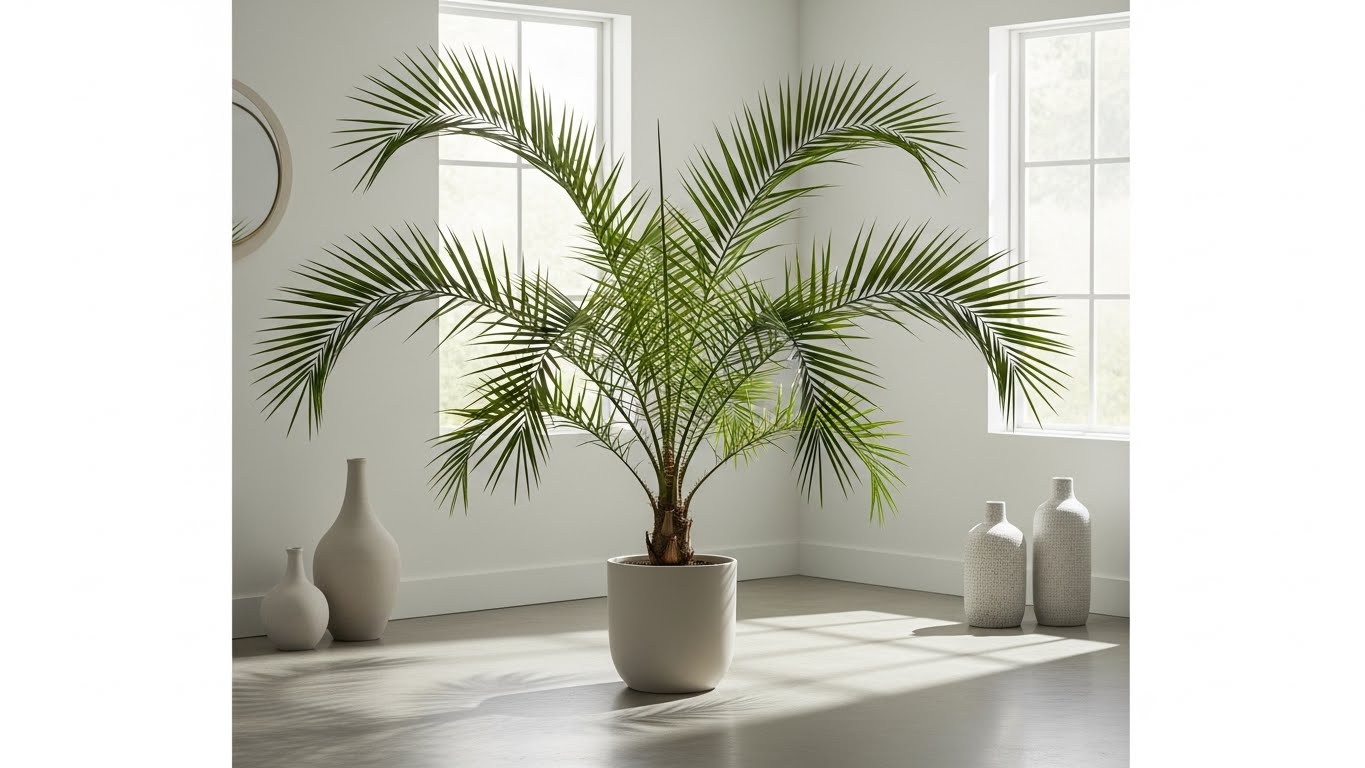
The Areca Palm (Dypsis lutescens) is more than just a ubiquitous houseplant; it is a living design element that brings the lush, vibrant energy of the tropics directly into your home. With its arching, feathery fronds and golden-hued canes, it acts as a natural focal point, softening the hard lines of modern architecture and breathing life into sterile corners. Whether you are styling a minimalist living room or looking for biophilic inspiration for Areca Palms in office spaces, this palm is a versatile choice that elevates any environment.
However, despite its popularity, the Areca Palm has a reputation for being somewhat finicky. Brown tips, yellowing fronds, and drooping leaves are common complaints among new owners. The secret to success lies in understanding that this is not a plant you can “set and forget.” It requires a specific set of conditions that mimic its native habitat. This is why a comprehensive Areca Palm indoor care guide for beginners is essential. By mastering the nuances of its care, you transition from simply keeping a plant alive to cultivating a thriving horticultural specimen.
💡 If you’re curious about starting your Areca Palm journey from seeds, this article provides essential insights.
➜ Discover proven techniques
Beyond its decorative appeal, the Areca Palm is a functional powerhouse. It is consistently ranked by NASA as one of the top plants for removing indoor toxins. Understanding the full extent of these air-purifying benefits at home—such as its ability to filter formaldehyde and benzene while acting as a natural humidifier—adds a layer of appreciation to your care routine. Furthermore, for households with furry family members, knowing that this plant is safe is crucial. You can rest easy after reading about Areca Palms and pets, as this palm is non-toxic to both cats and dogs, making it a worry-free addition to your family.
About the Areca Palm 🌿
To truly master the art of caring for an Areca Palm, one must first understand its origins and natural characteristics. Every aspect of its indoor care—from light to humidity—is an attempt to replicate the warm, damp, and dappled environment of its native forest floor.
- Scientific and Common Names: Scientifically classified as Dypsis lutescens (formerly Chrysalidocarpus lutescens), it is most widely recognized by common names such as the Butterfly Palm (due to the V-shape of the fronds resembling butterfly wings), Golden Cane Palm, and Yellow Palm. Beginners often confuse it with similar species; understanding the key distinctions in our guide on Areca palm vs Bamboo palm difference will ensure you are tailoring your care to the correct plant.
- Native Region: This elegant palm is endemic to the humid, tropical rainforests of Madagascar. In the wild, it grows in sandy, riverine soils under the protective canopy of taller trees, which shields it from the harsh midday sun—a vital clue for its light requirements indoors.
- Physical Characteristics: The Areca is a clustering palm, meaning it shoots up multiple slender stems from the base, creating a full, bamboo-like clump. Each stem is topped with arching pinnate fronds that can reach several feet in length. One common question regarding spatial planning is how big their indoor Areca Palm will grow. While they can reach heights of 20 feet outdoors, indoors they typically mature at a manageable 6 to 8 feet, making them perfect for filling vertical voids in a room.
Complete Areca Palm Care Guide
Successful indoor Areca Palm care isn’t about adhering to a rigid schedule, but rather about observation and adjustment. Your goal is to create a microclimate that balances light, moisture, and nutrition.
Light Requirements ☀️
Lighting is arguably the most critical factor in the health of your Areca Palm. In its natural habitat, it thrives in the dappled light of the understory.
- Ideal Light: The Areca Palm flourishes in bright, indirect light. This means placing it near a window where it receives plenty of daylight but is shielded from the direct rays of the sun. A common query is: How much light does an Areca Palm really need? Ideally, an east-facing window (morning sun) or a south/west-facing window covered by a sheer curtain provides the perfect intensity.
- What to Avoid: Direct, harsh sunlight—especially in the afternoon—is the enemy. It will scorch the delicate leaves, causing them to turn a bleached yellow-green or develop crispy brown patches, a condition often irreversible on existing fronds.
- Low Light Tolerance: While many sources claim adaptation, you might ask: Can you grow Areca Palms in low light? The honest answer is yes, but with caveats. In deep shade, growth will slow significantly, the canes may become thin and stretched (etiolated), and the plant is more susceptible to overwatering issues.
- Pro Tip: Plants naturally grow towards their light source. To ensure your palm maintains a symmetrical, upright shape, rotate the pot a quarter turn every week. If your home is particularly dark, you might consider using grow lights for Areca Palms to supplement natural light and keep the foliage dense.
Watering Schedule 💧
Watering is where most Areca Palm owners struggle. These plants have a “Goldilocks” preference: not too wet, not too dry, but just right.
- The Golden Rule: The most reliable method is to feel the soil. Deep dive into watering your Areca Palm correctly by following this rule: water only when the top 1 to 2 inches of the potting mix feels dry to the touch. Use your finger or a wooden chopstick to test the depth.
- Proper Watering Technique: When you do water, go slow and deep. Pour water evenly around the base until you see it flowing freely from the drainage holes. This ensures the entire root ball is hydrated. Crucially, never let the plant sit in standing water. Always empty the saucer 15–30 minutes after watering. “Wet feet” is the fastest route to root rot, which is often fatal.
- Seasonal Adjustments: Your plant’s thirst changes with the seasons. During the active growing months of spring and summer, the soil will dry out faster, requiring more frequent checks. In fall and winter, the plant enters a semi-dormant state; reduce watering frequency to prevent the soil from staying cold and soggy.
- Water Quality Matters: Areca Palms are notoriously sensitive to chemicals found in municipal tap water, particularly fluoride and chlorine. Accumulation of these salts causes brown spotting and tip burn. If possible, use harvested rainwater, distilled water, or simply let your tap water sit out in an open container for 24 hours to allow chlorine to evaporate.
Humidity & Temperature 🌡️
Remembering the palm’s rainforest origins is key here. Our homes are often desert-dry compared to Madagascar, especially in winter.
- Ideal Humidity: Areca Palms crave high humidity, ideally between 50% and 60%. When the air is too dry, the plant transpires faster than it can uptake water, leading to the dreaded brown leaf tips. Learning how to maintain humidity for indoor Areca Palms is vital.
- Misting: While it offers a temporary boost, misting alone is often insufficient.
- Pebble Trays: A more effective method is to use pebble trays for humidity-loving palms. Fill a shallow tray with stones and water, placing the pot on top (above the water line). As the water evaporates, it creates a humid microclimate around the foliage.
- Humidifier: For the best results, especially in winter, run a cool-mist humidifier nearby.
- Ideal Temperature: Maintain a stable indoor temperature between 65°F and 82°F (18°C–28°C).
- Placement Cautions: Thermal shock is a real danger. Keep your palm away from cold drafts near entryways or drafty windows, and never place it directly in the path of air conditioning vents or heaters. This sensitivity is particularly acute in winter; check our tips on Areca Palm winter care for cold homes to ensure your plant survives the chill without shedding fronds.
Soil & Potting Mix 🪴
The soil is the foundation of your plant’s health. It needs to support the roots while allowing excess water to escape instantly.
- Best Soil Mix: Avoid heavy garden soils. You need a loose, porous, and well-draining medium. The best soil mix for healthy Areca Palms is typically a peat-based mix amended with perlite or coarse sand. A good DIY recipe is 2 parts peat moss (or coco coir for sustainability), 1 part perlite, and 1 part pine bark fines to add structure and acidity.
- Choosing a Pot: Aesthetics are important, but drainage is non-negotiable. Always choose the right pot size for your Areca Palm ensuring it has adequate drainage holes. Terracotta pots are excellent as they allow the soil to “breathe,” wicking away excess moisture.
- Repotting: These palms prefer to be slightly root-bound, so you don’t need to repot often—typically every 2 to 3 years is sufficient. When you do, follow our steps for repotting an Areca Palm without stressing it. Be gentle with the root ball; Areca roots are brittle and do not like to be disturbed.
Fertilizing Routine 🧪
Because they grow continuously in the right conditions, Areca Palms are relatively heavy feeders.
- Type of Fertilizer: Use a high-quality, balanced liquid fertilizer (such as an NPK 10-10-10) or a formula specifically designed for palms, which will include essential micronutrients like magnesium and iron to prevent yellowing.
- Frequency: A common uncertainty is how often should you fertilize your Areca Palm? The general rule is to feed monthly during the active growing seasons of spring and summer. Always apply fertilizer to moist soil to avoid root burn. In autumn and winter, stop feeding entirely to allow the plant to rest.
Pruning & Maintenance ✂️
Regular grooming keeps your Areca Palm looking pristine and prevents pest infestations.
💡 Understanding the air-purifying benefits of Areca Palms can enhance your indoor environment.
➜ Explore advanced methods
- Pruning: Unlike some shrubs, palms do not heal from cuts; they simply stop growing at that point. Therefore, it is crucial to know how and when to prune Areca Palms. Only prune fronds that are completely dead (brown) or yellowing significantly. Cut them near the base of the stem. Never trim the green tips of the fronds, as this can stunt growth and leave brown scars.
- Cleaning: Large fronds act as dust magnets, which can block photosynthesis. Learn how to clean Areca Palm leaves without damage. Wiping them down with a damp cloth or giving the plant a gentle shower not only makes it look better but also helps dislodge potential pests.
Propagation Guide 🌱
Multiplying your collection is satisfying, but Areca Palms have specific propagation requirements. You cannot propagate them from leaf cuttings like a succulent.
💡 If you’re facing issues with leaf curling, understanding the causes is crucial for your palm’s health.
➜ Master this approach
- Method: The most reliable method for home gardeners is propagating Areca Palms indoors through root division. This is best done during spring repotting.
- Remove the plant from its pot and gently shake off excess soil.
- Identify a clump of stems with their own established root system.
- Use a sharp, sterilized knife to separate the clump from the main parent plant.
- Pot the new division in its own container with fresh soil and keep it well-watered and humid until established.
- Seeds: While possible, growing from seed is a slow process requiring patience and heat. If you are up for the challenge, you can try growing Areca Palms from seeds indoors, but expect to wait weeks for germination and years for a mature plant.
Common Areca Palm Problems & Fixes 🚑
Even the most attentive plant parent encounters issues. The leaves of the Areca Palm are like a dashboard, signaling the plant’s health. Check our deep-dive indoor Areca Palm troubleshooting guide for detailed diagnostics.
Problem | Likely Cause | Solution |
Brown leaf tips | Dry air (low humidity), inconsistent watering, or fluoride buildup. | Increase humidity with a pebble tray or humidifier. Switch to distilled/filtered water to reduce chemical buildup. |
Yellow leaves | Areca Palm yellowing leaves are typically a sign of overwatering (root rot) or nitrogen deficiency. | Check soil moisture immediately. If soggy, let it dry out. If dry, consider a nutrient boost. |
Leaf Curling | Thirst, heat stress, or pest infestation. | Investigate Areca Palm leaf curling closely. If soil is dry, water it. If pests are present, treat immediately. |
Drooping Fronds | The plant is likely thirsty or needs more light. | A deep watering usually perks them up. If the soil is wet and it droops, root rot may be the culprit. |
Pests | Spider mites and mealybugs love palms. | Identify Areca Palm pests to watch out for. Look for fine webbing (mites) or white cottony fluff (mealybugs). Treat with insecticidal soap or neem oil. |
Styling & Décor Ideas 🏡
The Areca Palm’s architectural form makes it a favorite among interior designers. It adds height, texture, and color without the bulk of bushy plants.
- Living Room: Use it to fill empty corners or flank a sofa. Discover tips for decorating with Areca Palms in living rooms to create a cozy, lived-in feel.
- Tropical Oasis: You can try creating a tropical corner with Areca Palms by grouping them with other humidity-loving plants like Monsteras or Philodendrons. This clustering also boosts local humidity for all the plants.
- Grand Entrances: Make a statement by styling Areca Palms in entryways. Their upright growth habit draws the eye upward, making spaces feel larger and more welcoming.
Areca Palm FAQ
Here are concise answers to the most pressing questions from Areca owners.
How often should I water my Areca Palm?
There is no set schedule (e.g., “every Monday”). Instead, check the top inch of soil. If it’s dry, water thoroughly. If it’s damp, wait. In summer, this might be weekly; in winter, bi-weekly.
Why are my Areca Palm leaves turning yellow?
If the lower leaves are yellowing, it might be natural aging. If widespread, it is usually due to overwatering (wet feet) or poor drainage. Ensure your pot has holes!
Can Areca Palms grow in low light?
They can survive but won’t thrive. They prefer bright, indirect light. In low light, growth slows, and the plant may thin out.
How do I make my Areca Palm bushier?
A bushy palm is a happy palm. Learn how to keep Areca Palms lush year-round by ensuring it gets adequate light and regular feeding during the growing season. Allowing new suckers (canes) to grow from the base will also increase fullness.
Conclusion
The Areca Palm has rightfully earned its place as a cornerstone of indoor gardening. It is a plant that rewards consistency with spectacular growth and unrivaled beauty. Mastering Areca Palm care is a rewarding journey of observing and responding to nature. By understanding its need for bright filtered light, consistent moisture, and high humidity, you ensure your Butterfly Palm remains a lush, vibrant feature in your home for years to come.
If you are still deciding which large palm fits your lifestyle, you might also find our comparison on Areca Palm vs. Kentia Palm helpful for your next green purchase.
💡 Proper pruning is essential for maintathisng a healthy Areca Palm. This guide walks you through the process.
➜ Get the step-by-step guide


