
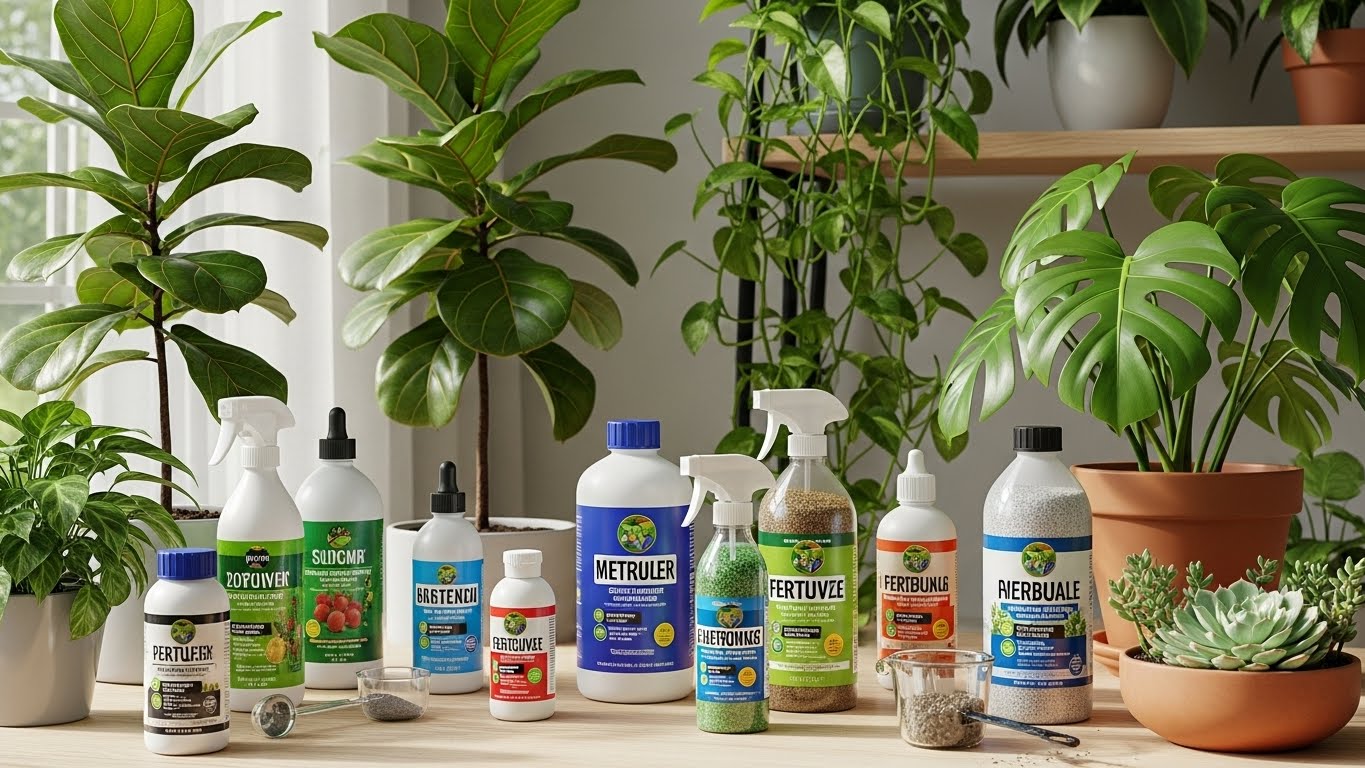
Houseplant fertilizing is super important for keeping your green buddies healthy and happy! First, make sure you understand their nutritional needs—every plant is different. You’ve got liquid and granular fertilizers to choose from, each offering unique benefits. Look for signs your plant needs fertilizer, like yellowing leaves or weak stems. Remember, timing is key—you’ll want to fertilize every 4 to 6 weeks during the growing season. Stick around to discover more tips and tricks to boost your houseplant’s health!
Understanding Plant Nutritional Needs
When you immerse yourself in the world of houseplants, understanding their nutritional needs can feel a bit overwhelming, but don’t worry! Every plant has unique requirements, and getting to know them is part of the fun. First, pay attention to the soil composition; it’s essential for nutrient absorption. A well-balanced mix allows your plants to thrive. Watch out for signs of nutrient deficiencies, like yellowing leaves or stunted growth. These clues tell you that your plant might need a boost. Regularly checking the soil and adjusting accordingly helps maintain a healthy environment. Remember, it’s all about balance—too much or too little can upset your plant’s happiness. Plunge in, explore, and enjoy nurturing your green friends!
Types of Fertilizers: An Overview
Fertilizers come in various types, each designed to meet the specific needs of your houseplants, so you can keep them healthy and vibrant. Understanding these fertilizer types is essential for providing the right nutrient sources.
Fertilizers are vital for nourishing houseplants, ensuring they thrive with the right types and nutrients.
- Liquid Fertilizers: These quick-acting options dissolve in water, offering immediate nourishment.
- Granular Fertilizers: Slow-release granules feed your plants over time, perfect for those who prefer less frequent applications.
- Organic Fertilizers: Made from natural materials, they enhance soil health while feeding your plants.
- Synthetic Fertilizers: These manufactured options deliver precise nutrient ratios for targeted growth.
Organic vs. Synthetic Fertilizers
Understanding how organic and synthetic fertilizers differ can greatly influence your houseplant care routine. Organic fertilizers come from natural sources, like compost or manure, promoting healthier soil interactions and sustainability factors. In contrast, synthetic fertilizers have a chemical composition designed for quick nutrient release, but they can have long-term effects on soil health and the environment.
Type | Availability Differences | Cost Comparison |
|---|---|---|
Organic | Often limited in stores | Generally higher cost |
Synthetic | Widely available | Usually more affordable |
Choosing the right type affects plant absorption, nutrient release timing, and overall health. Weighing these factors helps create a thriving environment for your beloved houseplants.
Essential Nutrients for Houseplants
Essential nutrients are the building blocks of your houseplants’ health, and knowing what they need can make all the difference in helping them thrive. The key nutrients include nitrogen, phosphorus, and potassium, each playing a crucial role in growth, flowering, and root development. Without these, your plants might suffer from nutrient deficiencies, leading to poor health and stunted growth. To keep your plants happy, aim for balanced fertilization, which provides the right mix of these essential elements. Remember, over-fertilizing can be just as harmful, so always follow the guidelines for your specific plants. By giving them what they need, you’re not just feeding them; you’re nurturing their potential to flourish beautifully in your home.
Signs Your Plant Needs Fertilizer
When your plant starts showing signs like yellowing leaves or stunted growth, it might be time to give it some fertilizer. These symptoms often indicate that your plant is lacking essential nutrients it needs to thrive. Paying attention to these cues can help you keep your houseplant healthy and vibrant!
Yellowing Leaves Indicate Deficiency
One of the most common signs that your houseplant is in distress is yellowing leaves, which can indicate a nutrient deficiency. When you notice those leaves turning yellow, it’s often due to a nutrient imbalance, meaning your plant’s not getting the right mix of vitamins and minerals. Environmental factors can also play a role; if your plant’s in low light or has inconsistent watering, it may struggle to absorb nutrients effectively. Keep an eye on the leaves—if they’re fading or losing their vibrant color, it’s time to step in. A balanced fertilizer can help restore that lush green appearance, giving your plant the boost it needs to thrive. Remember, a happy plant makes for a happy home!
Stunted Growth and Development
Stunted growth can be a frustrating sight for any plant enthusiast, especially after you’ve put in the effort to care for your leafy friend. When you notice your plant is struggling, it could be due to nutrient deficiencies affecting crucial growth factors. Here are some signs to watch for:
- Leaves are small and sparse
- New growth is slow or absent
- Stems appear weak or leggy
- The plant’s color looks dull and lifeless
If you see these signs, it’s time to assess your fertilization routine! Your plant might be craving those essential nutrients to thrive. By providing the right fertilizer, you’ll help your plant regain its vigor and flourish beautifully, turning your frustration into satisfaction.
How to Read Fertilizer Labels
Have you ever stared at a fertilizer label and wondered what all those numbers mean? You’re not alone! Those numbers represent the fertilizer formulation and tell you the nutrient ratios of nitrogen (N), phosphorus (P), and potassium (K). For example, a label reading 10-20-10 means it has 10% nitrogen, 20% phosphorus, and 10% potassium.
These nutrients play essential roles in plant growth. Nitrogen promotes leafy growth, phosphorus supports root development, and potassium aids overall plant health. When choosing a fertilizer, consider your plant’s specific needs based on its growth stage. Understanding these ratios helps you select the right product, ensuring your houseplants receive a balanced diet. Happy gardening!
When to Fertilize Your Houseplants
Knowing how to read fertilizer labels is just the first step in taking care of your houseplants; timing your fertilization is equally important. To nurture your plants effectively, consider these prime fertilizing times:
- Spring: As growth kicks in, your plants need extra nutrients.
- Summer: Maintain that growth momentum with consistent feeding.
- Fall: Gradually reduce fertilizing as plants prepare for dormancy.
- Winter: Most plants need little to no fertilizer during this resting period.
Establishing a seasonal fertilizing schedule helps your plants thrive. By understanding when to fertilize, you’ll guarantee your leafy friends receive the nutrition they crave. Keep an eye on their growth and adjust accordingly, and you’ll see your houseplants flourish!
Best Practices for Fertilizing
When you’re ready to fertilize your houseplants, following some best practices can make a big difference in their health and growth. Start by considering timing techniques; fertilize during the growing season for the best results. Pay attention to application frequency; a general rule is every 4 to 6 weeks.
Here’s a quick reference table to help you:
Season | Timing Techniques | Application Frequency |
|---|---|---|
Spring | Start fertilizing | Every 4 weeks |
Summer | Continue for growth | Every 4-6 weeks |
Fall/Winter | Reduce or pause | Once every 6-8 weeks |
Dilution Rates for Liquid Fertilizers
When it comes to using liquid fertilizers, understanding dilution rates is key to keeping your houseplants healthy and thriving. You’ll want to measure your fertilizer carefully, ensuring that the concentration levels are just right for your plants’ needs. With the right mix, you can boost growth and vibrancy without overwhelming your green friends!
Understanding Concentration Levels
Understanding concentration levels in liquid fertilizers is essential for keeping your houseplants healthy and thriving. The right dilution is vital because it directly influences how well your plants absorb nutrients. Here are some key points to remember:
- Concentration effects: Too strong can harm your plants, while too weak might not provide enough nutrients.
- Dilution importance: Proper dilution helps prevent root burn and nutrient lockout.
- Frequency matters: Applying diluted fertilizer regularly supports growth without overwhelming your plants.
- Plant type considerations: Different plants have unique nutrient needs, so adjust your concentration accordingly.
Measuring Liquid Fertilizer
Measuring liquid fertilizer accurately is key to giving your houseplants the right nutrients they need to flourish. To get started, gather your measuring tools—like a graduated cylinder or measuring cup. It’s crucial to know the liquid ratios recommended on your fertilizer bottle, as this will guide you in mixing the right amount. For example, if it says to dilute one part fertilizer with four parts water, stick to that ratio for the best results. Once you’ve mixed it, gently stir to ascertain everything’s well-combined before applying it to your plants. Remember, too much fertilizer can harm them, so always measure carefully and give your green friends the balanced diet they deserve! Happy watering!
Slow-Release Fertilizers: Pros and Cons
Have you ever wondered why some gardeners swear by slow-release fertilizers? These fertilizers can be a fantastic choice for your houseplants, but they come with their own set of pros and cons. Here’s a quick look:
- Convenience: You don’t have to fertilize as often.
- Steady Nutrient Supply: Plants receive nutrients gradually, which can promote healthy growth.
- Reduced Risk of Over-Fertilization: Less chance of burning your plants.
- Cost-Effective: You might save money in the long run.
However, slow release drawbacks include longer waiting times to see results and potential underfeeding if not used properly. Understanding these slow release benefits and drawbacks helps you make informed decisions for your beloved plants!
Fertilizing During the Growing Season
When the growing season kicks in, your houseplants need a little extra love and care, especially when it comes to fertilizing. Timing is everything! You should start fertilizing every 4 to 6 weeks, aligning with your plants’ growth spurts. This is when they’re actively soaking up nutrients and energy. Choosing the right fertilizer is key for achieving a healthy nutrient balance, so opt for a balanced formula, like a 10-10-10 or 20-20-20 mix. Always follow the instructions on the label; over-fertilizing can do more harm than good. Watch your plants closely; if their leaves turn yellow or brown, it might be a sign to adjust your fertilizer timing or recipe. Happy growing!
Special Considerations for Specific Plant Types
Different types of houseplants have unique needs when it comes to fertilizing, so it’s important to tailor your approach to each variety. Here are some specific considerations to keep in mind:
Different houseplants have distinct fertilizing needs, so it’s essential to customize your approach for each type.
- Tropical Plants: They thrive on balanced fertilizers, especially during the growing season.
- Succulent Care: Use diluted fertilizer, as too much can harm these drought-resistant beauties.
- Fern Requirements: Opt for a low-nitrogen formula to support their delicate fronds.
- Orchid Needs: These beauties prefer a specialized orchid fertilizer, ensuring they get the right nutrients.
Cactus fertilizing is more about timing; do it during their active growth phase. Leafy greens, like herbs, love a nutrient boost, but be careful not to overdo it—balance is key!
Common Fertilizing Mistakes to Avoid
Fertilizing houseplants can feel like a science experiment, but it’s easy to make mistakes that could harm your greenery. One common pitfall is over fertilizing, which can lead to nutrient burn symptoms like yellowing leaves and stunted growth. Be careful not to fall for timing misconceptions; plants don’t need fertilizer every week! Instead, follow a seasonal schedule that aligns with their growth cycles. Also, remember to store your fertilizer properly—keeping it in a cool, dry place can extend its shelf life and effectiveness. By avoiding these mistakes, you’ll nurture your plants more effectively, ensuring they thrive and bring joy to your space. Happy gardening, and keep those plants healthy and happy!
Homemade Fertilizers: Recipes and Tips
If you’re looking to give your houseplants a boost without breaking the bank, homemade fertilizers are a fantastic option. You can use common kitchen ingredients like coffee grounds, eggshells, and banana peels to create nutrient-rich mixes that your plants will love. Let’s explore some easy recipes and effective application methods that’ll help you keep your greenery thriving!
Common Ingredients to Use
When it comes to giving your houseplants the nutrients they need, whipping up homemade fertilizers can be a fun and rewarding experience. You’ll love discovering common ingredients that not only enrich your plants but also help with nutrient balancing. Here are some fantastic natural additives to take into account:
- Coffee grounds: Great for nitrogen, and your plants will appreciate the extra boost.
- Banana peels: Packed with potassium, they’re perfect for flowering plants.
- Eggshells: A calcium source that helps strengthen cell walls.
- Epsom salt: Provides magnesium, essential for chlorophyll production.
Using these ingredients, you can easily create a homemade fertilizer that keeps your plants thriving and healthy. Plus, it’s a wonderful way to recycle!
Application Methods Explained
Have you ever wondered how to get the most out of your homemade fertilizers? The key lies in your fertilizer application methods! Start by diluting your mixture with water to prevent burning those delicate roots. A good rule of thumb is a 1:10 ratio of fertilizer to water for most plants. You can apply it directly to the soil, avoiding the leaves, to guarantee your plants absorb the nutrients effectively. Another great method is to use a spray bottle for foliar feeding, giving your plants a quick nutrient boost. Remember, timing matters too; fertilize during the growing season to support plant growth. By mastering these application techniques, you’ll see your houseplants thrive like never before!
Monitoring Plant Health After Fertilization
Monitoring your houseplants after fertilization is essential to ascertain they thrive and grow strong. Pay close attention to their reactions, as this can reveal a lot about their soil health and overall well-being. Here are a few signs to watch for:
Keep a close eye on your houseplants after fertilization to ensure they thrive and reflect their health accurately.
- New Growth: Look for fresh leaves or stems appearing.
- Leaf Color: Healthy leaves should be vibrant; yellowing can indicate over-fertilization.
- Soil Moisture: Verify the soil remains appropriately moist, as nutrients can affect water retention.
- Pest Activity: Keep an eye out for any unwanted visitors that may appear post-fertilization.
Conclusion
To sum up, fertilizing your houseplants is all about understanding their needs, choosing the right type of fertilizer, and applying it wisely. By recognizing the signs that your plants need a boost, avoiding common mistakes, and considering homemade options, you can help your green friends thrive. Remember, a little care goes a long way, so keep an eye on their health and watch them grow strong and beautiful, bringing life to your home. Happy gardening!


