
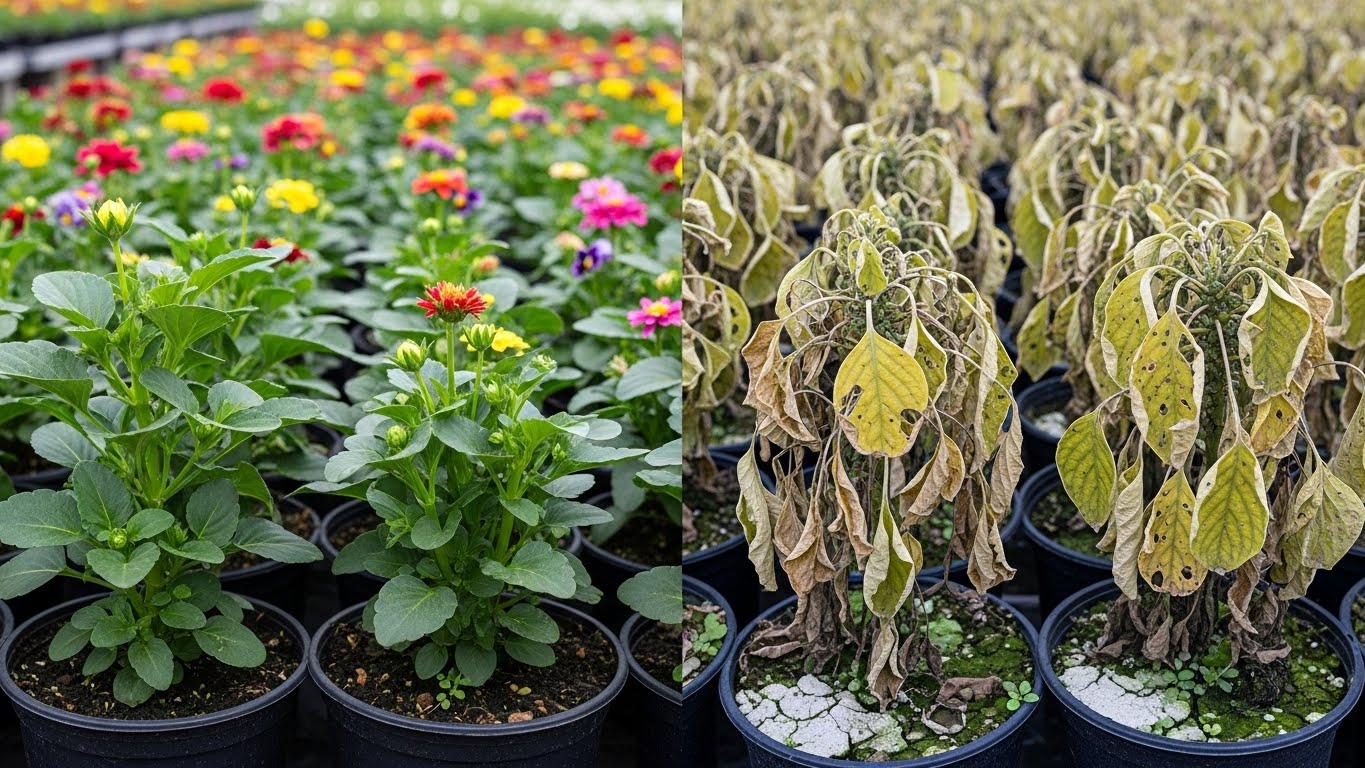
To choose a healthy indoor plant, first assess your space and light conditions. Some plants need bright light, while others prefer indirect light. Understand each plant’s maintenance needs, like watering and humidity. Select air-purifying options for cleaner air, and check for signs of health, like green leaves and sturdy stems. Finally, think about the size of the plant in relation to your space. Keep these tips in mind, and you’ll uncover more ways to keep your plants thriving!
Assessing Your Space and Light Conditions
💡 Understanding how to nourish your plants is crucial for their health and longevity.
➜ Discover proven techniques
When you think about bringing a plant into your home, have you considered how much light your space actually gets? Understanding your light conditions is key to selecting the right plant types. Different plants thrive in varying amounts of sunlight, so take a moment to observe your space dimensions. Is it bright and sunny, or more shaded? For instance, succulents love bright light, while ferns prefer indirect light.
You don’t just want a pretty plant; you want one that will flourish in your environment. So, check your windows, note how the sun moves throughout the day, and think about where you’ll place your new green friend. With this knowledge, you’re one step closer to creating a thriving indoor oasis!
Understanding Plant Maintenance Requirements
When it comes to choosing an indoor plant, understanding its maintenance requirements is key to keeping it healthy and thriving. You’ll want to contemplate how much light your plant needs and how often it should be watered, as these factors can make all the difference. By getting to know your plant’s specific needs, you can create a nurturing environment that helps it flourish.
Light Requirements
Understanding the light requirements of indoor plants is essential for keeping them healthy and thriving, especially since different plants have unique needs. Some love bright, natural light, while others prefer the cozy shadows of low-light areas. When you choose your plant, consider its ideal lighting conditions. If your space lacks sunlight, don’t worry! Many plants adapt well to artificial light, which can be a great substitute. Just remember to position them close enough to the light source for peak growth. Monitor your plant’s response; if it looks droopy or its leaves turn yellow, it might need a light adjustment. With the right light, you’ll be on your way to nurturing a vibrant indoor garden!
Watering Frequency
Watering your indoor plants can make all the difference in keeping them healthy and happy. Understanding the right watering frequency is key to nurturing your greens. Different plants have varying needs, so pay attention to their soil moisture. To check, simply stick your finger about an inch into the soil; if it feels dry, it’s time to water!
Using proper watering techniques, like giving your plant a thorough soak until water drains from the bottom, guarantees their roots get the hydration they crave. Remember, overwatering can be just as harmful as underwatering, so finding that balance is essential. With a little attention, you’ll become a pro at keeping your plants thriving and vibrant! Happy watering!
Selecting Air-Purifying Plants
Air-purifying plants are like nature’s little superheroes, working hard to improve the air quality in your home. These green guardians absorb toxins, release oxygen, and create a healthier environment for you and your loved ones. When selecting your air-purifying plants, consider popular options like peace lilies, snake plants, and spider plants. Each offers unique plant benefits, such as reducing indoor pollutants and enhancing humidity levels.
To make your choice even easier, think about your space’s light conditions and how much care you’re willing to provide. With a little research and attention, you can pick the perfect leafy companion that not only beautifies your space but also contributes to a fresher, cleaner atmosphere. Let’s get growing!
Choosing the Right Size for Your Space
When you’re picking an indoor plant, it’s essential to assess the space you have available. Think about how big the plant will grow and how much light it needs, so you can find a perfect spot in your home. Choosing the right size not only keeps your space looking great but also helps your plant thrive!
Assess Available Space
💡 Proper watering is essential for the health of your indoor plants.
➜ Get the step-by-step guide
Before you plunge into choosing the perfect indoor plant, it’s important to take a good look at the space you have available. Evaluating your space guarantees effective plant placement and ideal space utilization. Consider these key aspects:
- Light Conditions: Is there natural light, and how much does your space get?
- Floor Space: Do you have enough room for a larger plant, or should you stick to smaller varieties?
- Height Considerations: Are there low ceilings or tall furniture that might affect your choice?
Consider Plant Growth
Once you’ve assessed your available space, it’s time to think about how your chosen plant will grow. Consider the plant growth stages, from tiny sprout to thriving specimen. Each plant has its own growth rate, so knowing how fast it can grow helps you decide if it’s the right fit. For example, a fast-growing plant like a pothos might quickly outgrow a small shelf, while a slower grower, like a snake plant, could thrive in tighter spots for years. Think about your space’s height and width, and choose a plant that won’t crowd your room or block light. By paying attention to these details, you’ll create a harmonious environment that both you and your plant can enjoy!
Researching Plant Varieties and Their Needs
Researching different plant varieties and their specific needs can be both exciting and essential for creating a thriving indoor garden. As you engage in your variety selection, keep in mind the unique plant characteristics that make each one special. Understanding these traits guarantees you choose plants that fit your lifestyle and environment.
Exploring plant varieties and their needs is key to nurturing a vibrant indoor garden that complements your lifestyle.
- Light Requirements: Some plants thrive in bright light, while others prefer low-light conditions.
- Water Needs: Find out how often each plant needs watering to prevent over or under-watering.
- Temperature Preferences: Different plants have varying temperature tolerances, so choose ones that match your home’s climate.
Taking the time to learn about these factors will help you cultivate a beautiful, healthy indoor garden you’ll love.
Evaluating Plant Health Before Purchase
When you’re ready to bring a new plant into your home, checking its health is essential to confirm you’re choosing a happy and vibrant companion for your indoor garden. Start by looking at the leaves; they should be green and free of spots or discoloration. A strong stem indicates a healthy plant, too. Next, consider the plant’s origins; knowing where it comes from can give clues about its adaptability and how well it might thrive indoors. Finally, don’t forget to assess its disease resistance. A plant that’s naturally resilient is likely to survive those occasional hiccups in care. By focusing on these details, you’ll confirm your indoor garden flourishes with life and color!
Tips for Plant Care and Maintenance
Caring for your indoor plants can be as rewarding as it is fun, and with just a few simple tips, you can keep them thriving all year round. Start by paying attention to plant nutrition; give them the right fertilizer and watch them flourish. Next, keep an eye out for pests—regularly checking your plants can help catch any problems early, ensuring they stay healthy.
Here are some quick tips for plant care:
- Water your plants when the topsoil feels dry.
- Rotate your pots occasionally for even light exposure.
- Dust the leaves gently to help with photosynthesis.
Common Mistakes to Avoid When Choosing Plants
Have you ever wondered why some people struggle to keep their indoor plants alive while others seem to have a green thumb? One common mistake is falling for misconceptions about plant care. You might think all plants thrive in low light, but that’s not true for everyone. Another pitfall is overlooking budget considerations; just because a plant is cheap doesn’t mean it’ll thrive in your home. Always research the specific needs of a plant before buying. Also, don’t be swayed by trends; choose plants that fit your lifestyle and environment instead. By avoiding these mistakes, you’ll be on your way to creating a vibrant indoor garden that flourishes, bringing joy and life into your space.
Conclusion
In the grand garden of life, choosing the right indoor plant is like picking a trusty sidekick for your adventure. You wouldn’t want a sidekick that can’t handle your journey, right? By evaluating your space, understanding plant needs, and selecting the right size, you’re setting the stage for a thriving partnership. So, go ahead—embrace your green friend, care for it, and watch your indoor oasis flourish. After all, every hero needs a little greenery to brighten their quest!
💡 Identifying and addressing issues with your plants is vital for their care.
➜ See how to implement this


