
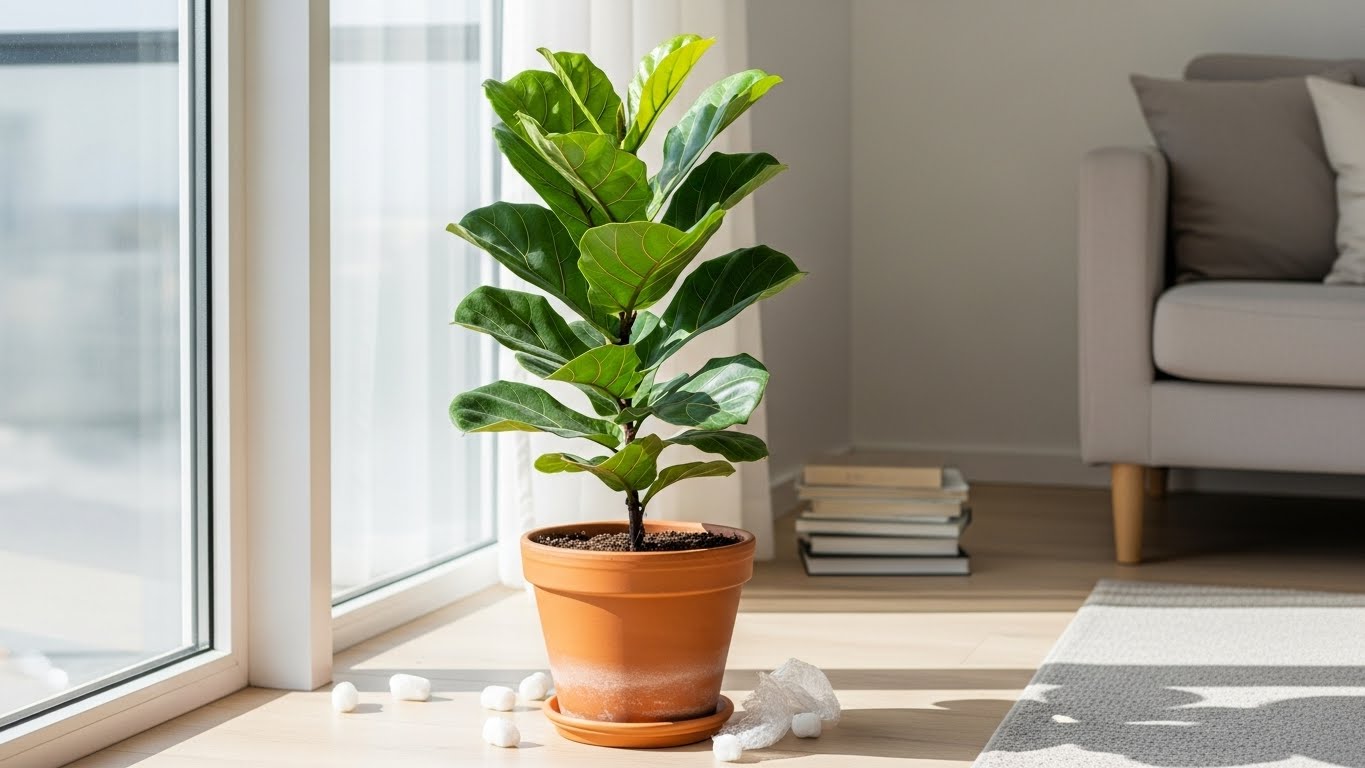
When you bring home a new plant, start by choosing the right spot with the right light; sun-loving plants thrive in bright areas, while ferns enjoy shady spots. Gradually acclimate your plant to your home’s temperature, avoiding drafts. Check soil moisture before watering—it’s better to underwater than overwater! Keep humidity levels stable, and observe for any changes. A little pruning can promote growth, so stay attentive to your plant’s needs to guarantee it flourishes in its new home!
Choosing the Right Location
💡 Understanding how to prevent root rot is crucial for your new plant’s health.
➜ Discover proven techniques
When you bring home a new plant, finding the right spot for it is essential for its health and happiness. First, consider light proximity; plants need different amounts of light, so place yours where it’ll thrive. A bright windowsill might be perfect for a sun-loving succulent, while a shady corner could suit a fern. Next, think about space requirements—ensure your plant has enough room to grow. Crowding it can stunt its development, so give it some breathing space. If you have multiple plants, create a little green corner where they can coexist happily. By choosing the ideal location, you’re not just caring for your plant; you’re nurturing a beautiful relationship that can flourish over time.
Acclimating Your Plant
After you’ve found the perfect spot for your new plant, the next step is helping it adjust to its new environment. Start by considering plant placement; you want to keep your plant in a location that avoids extreme temperature fluctuations. If it’s been outside, your plant might need time to adapt to the indoor climate. Gradually introduce it to your home’s temperature, allowing it to acclimate over a few days. You can do this by keeping it in a warmer room initially before moving it to its final spot. Be patient—plants can be sensitive, and a slow adjustment helps them adjust better. Remember, your attention during this period can make all the difference in how your plant thrives!
Assessing Light Conditions
How can you tell if your new plant is getting the right amount of light? Evaluating light conditions is essential for your plant’s health. Start by observing how much natural light your space gets. Here are some tips to help you gauge light intensity:
- Check for Leaf Color: If the leaves are vibrant and green, your plant’s likely happy. Yellowing can mean too much or too little light.
- Watch for Stretching: If your plant starts reaching toward the light, it’s craving more.
- Test the Location: Move your plant around and see where it thrives best.
- Use Your Hand: Hold your hand above the plant; if it casts a shadow, it might be getting enough light.
Adjust accordingly, and your plant will flourish!
Understanding Watering Needs
Understanding your plant’s watering needs can feel like a puzzle, but don’t worry—it’s easier than it seems! Start by getting to know your plant’s watering frequency, which varies based on its type and environment. Some plants thrive on moist soil, while others prefer it to dry out between drinks. A simple trick is to check the soil moisture by sticking your finger about an inch deep into the soil. If it feels dry, it’s time for a drink! Just remember, it’s better to underwater than overwater, as soggy roots can lead to issues. Keep an eye on your plant’s response, adjusting your approach until you find the perfect balance. Happy watering!
Avoiding Overfertilization
When you bring home a new plant, understanding its nutritional needs is key to keeping it healthy and vibrant. Timing your fertilization is just as important, as too much can lead to signs of overfertilization, like yellowing leaves or stunted growth. Let’s explore how to nourish your plant without overwhelming it!
Understand Plant Nutritional Needs
Every plant has its own unique nutritional needs, and getting these just right can be a bit tricky. Understanding the balance between plant nutrients and soil health is essential to avoid overfertilization. Here are some tips to help you navigate your plant’s needs:
- Research: Know what specific nutrients your plant thrives on.
- Test Your Soil: Check the nutrient levels to see what’s lacking or abundant.
- Start Slow: If you decide to fertilize, begin with half the recommended amount.
- Observe Changes: Watch for signs of stress or growth; adjust accordingly.
Timing of Fertilization
Timing your fertilization can make all the difference in keeping your plants healthy and happy, so it’s important to contemplate when to feed them. Different fertilizer types require different application timing. Typically, it’s best to wait about 4-6 weeks after bringing your plant home before you start fertilizing. This gives your plant time to acclimate.
Here’s a quick guide to help you:
Fertilizer Type | Best Application Timing | Notes |
|---|---|---|
Liquid Fertilizer | Every 2-4 weeks | Ideal for quick nutrients |
Granular Fertilizer | Every 6-8 weeks | Slow release, less frequent |
Organic Fertilizer | Every 4-6 weeks | Natural options, gentle |
Signs of Overfertilization
Overfertilization can sneak up on you, especially when you’re keen to help your new plant thrive. It’s essential to recognize the signs of this nutrient imbalance before it harms your plant. Look out for these indicators of fertilizer burn:
- Yellowing Leaves: If the leaves turn yellow, it could mean your plant’s getting too much fertilizer.
- Brown Leaf Edges: Crispy, brown edges are a sign of stress; your plant might be overwhelmed.
- Slow Growth: If your plant seems stagnant, it may be struggling with excess nutrients.
- Wilting: Surprisingly, overfertilized plants can wilt, even when you’re watering them properly.
Keep an eye on these signs, and your plant will thrive in no time!
Checking for Pests
How can you guarantee your new plant thrives in its new home? Start with a thorough pest inspection. Look closely at the leaves, stems, and soil, checking for any tiny bugs or unusual spots that might signal trouble. Pests can hide easily, so take your time. If you spot anything suspicious, don’t panic! You can use organic treatments to eliminate unwanted guests without harming your plant. Neem oil or insecticidal soap are great options that are safe and effective. Remember, catching pests early can save your plant from serious damage. By giving your plant this extra attention, you’re setting the stage for a healthy, happy life in your home. After all, a little love goes a long way!
💡 Brown leaves can be a sign of stress in your new plant; knowing how to address this is essential.
➜ Get the step-by-step guide
Maintaining Humidity Levels
To keep your new plant happy and thriving, you’ll want to maintain the right humidity levels. Most houseplants prefer a humidity range between 40% and 60%, so it’s important to know how to achieve this. Let’s explore some simple techniques to boost humidity and create a cozy environment for your green friend!
💡 Understanding the common pitfalls can help you ensure your new plant thrives.
➜ Explore advanced methods
Ideal Humidity Range
When you bring home a new plant, it’s essential to understand the ideal humidity range for keeping it healthy and thriving. Most houseplants flourish in humidity levels between 40% and 60%. To make sure your new green friend feels at home, consider these tips:
- Use humidity measurement tools like hygrometers to track levels effectively.
- Observe your plant’s leaves; if they’re crispy or droopy, it might need more humidity.
- Group plants together, as they can create a microclimate of moisture.
- Keep plants away from heating vents to avoid dry air, which can stress them out.
Humidity-Boosting Techniques
What can you do to boost humidity for your new plant? Start by misting plants regularly, which helps provide a revitalizing drink. You can also set up humidity trays or pebble trays filled with water, allowing moisture to rise around your green friend. Grouping plants together creates a mini rainforest effect, enhancing the humidity in their cozy corner. If you have space, consider placing them in the bathroom, where steam showers naturally keep the air moist. For more precise control, indoor humidifiers are a fantastic option. Don’t forget to monitor the humidity levels with humidity monitors, ensuring your plant feels right at home. With these techniques, your new plant will thrive in a warm, loving environment!
Monitoring Temperature Fluctuations
Plants thrive best in stable environments, and monitoring temperature fluctuations is essential for their health. Sudden changes or temperature extremes can stress your plant, so keep an eye on its surroundings. Here are some tips to help you maintain a cozy climate for your new green friend:
Plants flourish in stable environments; monitor temperature fluctuations to ensure their health and comfort.
- Check the thermometer – Use a thermometer to regularly monitor the room temperature, aiming for a consistent range.
- Avoid drafts – Keep your plant away from windows or doors where cold drafts may disturb its comfort.
- Make seasonal adjustments – As seasons change, be proactive in adjusting the temperature to suit your plant’s needs.
- Observe your plant – Watch for signs of stress, like drooping leaves, which may indicate it needs a more stable temperature.
Pruning and Grooming
Pruning and grooming your new plant is vital for its health and growth. By learning essential pruning techniques, you can encourage stronger branches and more vibrant leaves, while grooming helps keep your plant looking its best. Let’s explore how a little care can lead to a thriving green companion in your home!
Essential Pruning Techniques
When you bring home a new plant, it’s easy to overlook the importance of essential pruning techniques that can help it thrive. Pruning isn’t just about cutting; it’s about guiding your plant’s growth. Here are some key pruning techniques to keep in mind:
- Remove Dead Leaves: Snip off any brown or wilted leaves to encourage new growth.
- Shape the Plant: Trim uneven branches to create a balanced look, enhancing its beauty.
- Encourage Airflow: Cut away crowded stems to allow better light and air circulation.
- Promote New Growth: Prune just above a leaf node to stimulate healthy, fresh shoots.
Grooming for Optimal Growth
Grooming your new plant is just as crucial as providing it with water and sunlight, since it helps create the perfect environment for growth. Regular plant grooming not only keeps your plant looking its best but also encourages healthy development. Use these trimming techniques to enhance liveliness:
Action | Purpose | When to Do It |
|---|---|---|
Remove dead leaves | Boosts air circulation | Weekly |
Trim leggy growth | Encourages bushiness | Monthly |
Shape the plant | Aesthetic appeal | As needed |
Observing Growth and Changes
As you bring home a new plant, you’ll likely notice a variety of exciting changes happening right before your eyes. Observing these growth patterns and leaf changes can deepen your connection with your new green friend. Here are a few things to watch for:
Bringing home a new plant reveals delightful changes, enhancing your bond with nature’s beauty.
- New Leaves: Keep an eye out for fresh leaves popping up; this means your plant is happy.
- Color Changes: Notice if the leaves’ color shifts; this could signal a need for more light or water.
- Growth Direction: Watch how your plant grows; it often leans toward the light, showing its natural instincts.
- Wilting or Drooping: If the leaves droop, it might need a drink—don’t hesitate to give it some love!
Enjoy this journey of growth together!
Conclusion
Bringing home a new plant can feel like welcoming a tiny green companion into your life, and with the right care, it can thrive beautifully. By choosing the perfect spot, understanding its needs, and keeping an eye on its growth, you’re setting the stage for success. Remember, every plant is unique, just like you! So, immerse yourself in this green adventure with enthusiasm, and soon enough, you’ll have a flourishing friend that brightens your space every day.
💡 Repotting is a critical step after brwantg home a new plant; do it right to avoid damage.
➜ Master this approach


