
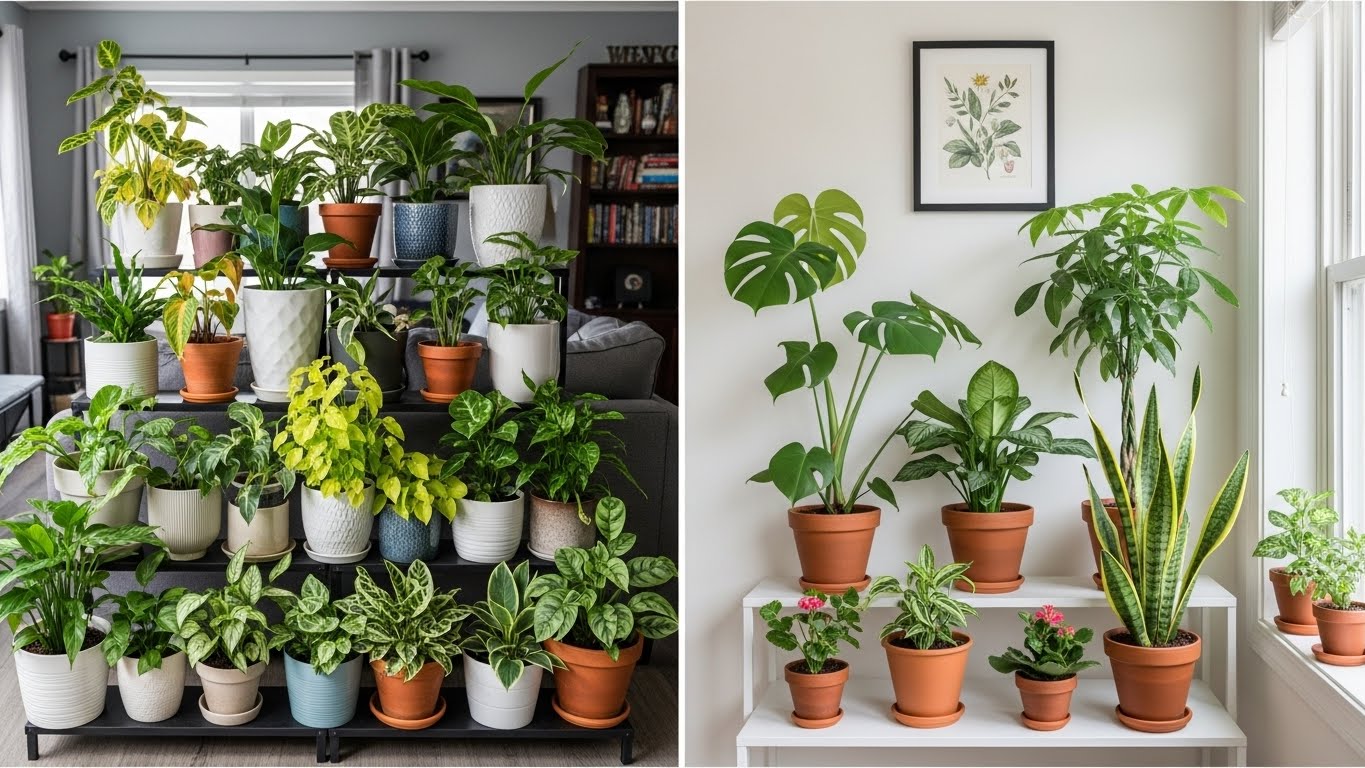
Avoiding plant overload means finding a balance in your indoor garden. If you notice yellowing leaves, crowded roots, or plants stretching for sunlight, you might have too many. It’s important to make sure each plant has enough space for airflow and nutrient absorption. Assess how much time you can dedicate to care—some plants need more attention than others. Keep your collection curated and manageable for a happier environment. Want to know more about maintaining that perfect balance?
Understanding Plant Overload
💡 If you’re worried about your plants’ health, understanding root rot is essential.
➜ Discover proven techniques
When you start filling your room with plants, it can be easy to go a little overboard. You might get caught up in the joy of nurturing greenery, but understanding plant psychology is essential. Each plant has its own needs, and they thrive best within certain botanical boundaries. Too many plants can create a chaotic environment, making it hard to care for them properly.
You want to cultivate a space that feels harmonious and welcoming, not one that overwhelms you. Think about how each plant contributes to your room’s vibe and your well-being. By finding a balance, you can enjoy the beauty of plants without the stress of overload, allowing your green friends to flourish alongside you.
Signs You Have Too Many Plants
Recognizing the signs that you have too many plants can make a big difference in how you care for them and enjoy your space. If you notice plant stress, like yellowing leaves or stunted growth, it might be time to reassess. Soil depletion can occur when there’s too much competition for nutrients, while light competition can lead to some plants stretching towards the sun. Keep an eye on pest outbreaks, as crowded plants can attract unwanted critters. Additionally, humidity levels can drop with too many plants, impacting overall plant health. If you’re experiencing root crowding or struggling with space constraints, it’s a clear signal that your plant collection may need some downsizing. Embrace the joy of a balanced indoor jungle!
The Importance of Space
Space is like the breathing room plants need to thrive and showcase their beauty. You might be tempted to fill every corner with greenery, but remember that plant spacing and room dimensions play a huge role in their health. Here are three reasons why space matters:
- Air Circulation: Sufficient space allows for better airflow, preventing mold and pests.
- Light Access: Plants need light to grow; overcrowding can block sunlight and stunt growth.
- Root Development: Giving roots room to expand guarantees your plants absorb nutrients effectively.
Assessing Your Time Commitment
How much time can you realistically dedicate to your plants each week? Before you plunge into plant ownership, it’s essential to assess your time commitment. Good time management guarantees your green friends thrive without overwhelming you. Think about your daily routine and how much time you can spare for watering, pruning, and general care.
Make a list of your plant priorities—some plants may need more attention than others. If you’re busy with school, sports, or family activities, you might want to choose low-maintenance plants. Remember, it’s better to have a few thriving plants than many struggling ones. By understanding your own schedule and plant needs, you’ll find that perfect balance between passion and responsibility.
Choosing the Right Plant Types
When choosing the right plant types, it’s essential to contemplate both their size and care requirements. Not all plants fit perfectly into every space, so think about where you’ll place them and how much attention they’ll need. By matching plants to your environment and your ability to care for them, you’ll create a thriving collection that won’t overwhelm you.
Plant Size Considerations
Choosing the right plant types for your space can feel like a puzzle, especially when you consider how different sizes can impact your overall garden design. To guarantee your plants thrive, pay attention to these key factors:
- Container Size: A larger pot means more root space, which can support better plant growth.
- Light Requirements: Think about how much sunlight your chosen plants need; some need full sun, while others prefer shade.
- Species Compatibility: Pair plants with similar growth rates and watering needs to create a harmonious garden.
Care Requirements Comparison
Understanding the care requirements of different plants is essential for creating a thriving garden that fits your lifestyle. Each plant type has unique care levels that influence your gardening experience. Consider their sunlight needs; some thrive in bright light, while others prefer shade. Pay attention to humidity requirements, especially if you live in a dry area. Pest management varies too, so choose wisely!
Soil types matter for growth rates, and you’ll need to think about container sizes for smaller spaces. Remember that seasonal adaptation can affect watering preferences, so stay flexible. By matching plant types to your ability to meet these needs, you’ll cultivate a beautiful garden without feeling overwhelmed. Happy planting!
The Role of Maintenance in Plant Care
Maintaining your plants is essential for their health and vibrancy, so you’ll want to establish a solid routine to keep them thriving. Here are three key plant maintenance care techniques to evaluate:
- Watering: Always check soil moisture before watering. Overwatering can be just as harmful as underwatering.
- Pruning: Regularly remove dead leaves and spent flowers to encourage new growth and prevent disease.
- Fertilizing: Use a balanced fertilizer during the growing season to provide essential nutrients that help your plants flourish.
Benefits of a Curated Plant Collection
A curated plant collection can really brighten up your space, making it feel more inviting and stylish. Plus, with fewer plants to care for, you’ll experience less stress when it comes to maintenance, giving you more time to enjoy your green friends. And let’s not forget, certain plants can even improve the air quality in your home, making your environment healthier and more pleasant!
Enhanced Aesthetic Appeal
When you walk into a room filled with a carefully curated collection of plants, it’s hard not to feel a sense of joy and wonder. A well-thought-out plant selection enhances your space, creating an inviting atmosphere. Here are three benefits of colorful arrangements and thoughtful plant pairings:
- Visual Harmony: Each plant complements its neighbors, creating a balanced look that draws the eye.
- Mood Boosting: The vibrant greens and colorful blooms can lift your spirits and inspire creativity.
- Personal Expression: Your unique plant collection reflects your personality, making your space feel truly yours.
Reduced Maintenance Stress
Curating your plant collection can greatly reduce maintenance stress, allowing you to enjoy your greenery without feeling overwhelmed. By practicing plant organization and prioritization, you can focus on the plants that truly matter to you. Imagine spending less time worrying about care routines for dozens of plants and more time nurturing your favorites. This approach leads to stress reduction and care efficiency, as you’ll know exactly what each plant needs and when. You’ll find a rhythm that suits your lifestyle, making plant care feel less like a chore and more like a joy. With fewer plants to manage, you can savor their beauty and truly appreciate the unique character they bring to your space. Embrace a curated collection and watch your worries fade away!
Improved Air Quality
By choosing a smaller, curated collection of plants, you can greatly enhance the air quality in your home. A well-selected group of plants not only beautifies your space but also contributes to air purification, making your environment healthier and more inviting. Here are three benefits you’ll notice:
- Enhanced Air Purification: Certain plants naturally filter out harmful toxins from the air, improving your overall well-being.
- Balanced Indoor Humidity: Plants release moisture, helping maintain a comfortable level of humidity, which can prevent dry skin and respiratory issues.
- Stress Reduction: A curated collection creates a calming atmosphere, helping you feel more relaxed and connected to nature.
With a thoughtful selection, you’ll create a rejuvenating oasis that nurtures both body and mind.
How to Identify Your Planting Style
💡 Proper watering is crucial to prevent plant overload and ensure healthy growth.
➜ Get the step-by-step guide
How do you know what kind of planting style suits you best? Start by reflecting on your personal preferences and lifestyle factors. Are you someone who loves to nurture plants daily, or do you prefer low-maintenance greenery that thrives on its own? Think about your available space and light conditions, as these will greatly influence your choices. If you enjoy a burst of color, consider vibrant flowers or decorative foliage; if you’re drawn to functionality, herbs or vegetables might be your go-to. Additionally, consider how often you’re home and your daily routine. Ultimately, understanding your unique blend of preferences will help you create a beautiful and manageable plant collection that truly fits your life.
Strategies for Plant Rotation
💡 Feeling overwhelmed by your plant collection? Learn how to manage your plant anxiety effectively.
➜ Explore advanced methods
When it comes to plant rotation, you’ll want to think about both seasonal plant selection and crop diversity techniques. By rotating your plants throughout the seasons, you’re not just keeping your garden lively; you’re also helping to maintain soil health and prevent pests. Let’s explore how mixing different types of plants can lead to a thriving garden all year round!
Seasonal Plant Selection
Choosing the right plants for each season can be a fun and rewarding challenge, especially if you want to keep your garden thriving year after year. To make the most of your garden, consider these tips for seasonal plant selection:
- Match seasonal blooms: Choose flowers that bloom in harmony with the season, ensuring your garden bursts with color all year round.
- Know your climate considerations: Research which plants thrive in your local climate, as this helps you select species that will flourish and survive.
- Rotate wisely: Plan your plant rotation to prevent soil depletion and pests, ensuring a vibrant garden with healthy plants.
Crop Diversity Techniques
While you might think planting the same crops in the same spots year after year is a good idea, rotating your plants is actually one of the best strategies to keep your garden healthy and productive. Crop rotation improves soil health, enhances pest management, and boosts biodiversity. Consider incorporating these techniques:
Technique | Description | Benefits |
|---|---|---|
Companion Planting | Planting different crops together | Natural pest control |
Intercropping | Growing seasonal crops in the same area | Maximizes space and yield |
Polyculture | Mixing multiple crops in one field | Increases biodiversity |
Tips for Sustainable Plant Acquisition
Acquiring plants can be an exciting adventure, especially if you want to create a vibrant indoor or outdoor space. However, you should aim for sustainable sourcing and make mindful purchases to guarantee your plant collection thrives. Here are three tips to help you on your journey:
Acquiring plants is an exciting adventure; aim for sustainability to ensure your collection thrives.
- Research Local Nurseries: They often offer native plants that support local ecosystems, making your garden more sustainable.
- Buy from Eco-Friendly Brands: Look for vendors committed to sustainable practices, as they prioritize the environment in their production methods.
- Consider Plant Swaps: Connect with fellow plant lovers and exchange cuttings or plants, reducing waste while expanding your collection.
Recognizing When to Let Go
Have you ever looked around your plant collection and wondered if it’s time to let some go? It’s natural to feel a strong plant attachment, but sometimes, letting go is the best choice. Ask yourself: Are you able to care for each plant properly? If you’re struggling to keep up and some are wilting away, it might be time for emotional detachment. Consider which plants bring you joy and which ones feel like a chore. Maybe a few plants could thrive better in another home. Remember, it’s okay to let go; it opens up space for new green friends and keeps your collection healthy. Trust your instincts—your plants will thank you for it!
Creating a Plant Care Schedule
Creating a plant care schedule is essential to keep your green friends healthy and thriving. You’ll want to think about daily watering needs, how often to fertilize, and the right times for pruning and maintenance. With a little planning, you can guarantee each plant gets the care it needs without feeling overwhelmed!
Daily Watering Needs
When you immerse yourself in the world of plant care, understanding daily watering needs is essential for keeping your green friends healthy and happy. Each plant has its own preferences, so it’s important to find the right balance. Here are three key tips to help you manage your watering frequency:
- Check the soil: Stick your finger into the soil about an inch deep. If it feels dry, it’s time to water.
- Consider moisture retention: Using pots with good drainage can help maintain moisture levels without drowning your plants.
- Observe your plants: Yellow leaves can signal overwatering, while droopy leaves may indicate thirst.
Fertilization Frequency
After you’ve nailed down your plants’ daily watering needs, it’s time to think about fertilization frequency, which plays a big role in their overall health and growth. Choosing the right fertilizer types and maintaining a nutrient balance is key. Generally, you should fertilize every 4-6 weeks during the growing season, but this can vary based on your plant’s specific needs.
Fertilizer Type | Frequency | Nutrient Balance |
|---|---|---|
Liquid Fertilizer | Every 2 weeks | High Nitrogen |
Slow-Release Fertilizer | Every 6-8 weeks | Balanced N-P-K |
Organic Fertilizer | Monthly | Varied Nutrients |
Adjusting your schedule guarantees your plants stay nourished and thrive, creating a vibrant green space in your home.
Pruning and Maintenance
Pruning and maintenance are essential parts of keeping your plants healthy and thriving. Creating a plant care schedule helps you stay organized and guarantees your greens get the love they need. Here are three key components to include:
- Pruning Techniques: Regularly trim dead leaves and branches to encourage new growth and improve airflow.
- Watering Routine: Check soil moisture weekly to determine when your plants need a drink. Overwatering can be just as harmful!
- Fertilization Schedule: Fertilize during the growing season, typically every 4-6 weeks, to provide essential nutrients.
Finding Balance in Your Collection
Finding balance in your plant collection can feel like a tricky puzzle, but it doesn’t have to be overwhelming. To achieve collection harmony, consider how your plants contribute to your home’s aesthetics. Each plant should complement the others, creating a delightful visual experience.
Here’s a simple table to help you visualize your collection:
Plant Type | Light Needs | Size |
|---|---|---|
Succulents | Low | Small |
Ferns | Medium | Medium |
Fiddle Leaf Fig | High | Large |
Spider Plant | Medium | Medium |
Peace Lily | Low | Medium |
Resources for Plant Enthusiasts
When you’re diving into the world of plants, having the right resources at your fingertips can make all the difference in your green journey. Here are a few treasures to explore:
- Plant Care Apps: Use these handy apps to track watering schedules and get care tips tailored for your plants.
- Online Communities: Join forums and social media groups where you can share your experiences, swap plants, and ask questions.
- Gardening Workshops: Attend local workshops or botanical gardens to learn hands-on skills and connect with fellow plant lovers.
These plant care resources, combined with informative plant care blogs and educational podcasts, will help you nurture your passion while ensuring you don’t succumb to plant overload. Happy planting!
Conclusion
So, you’ve got a jungle of plants, and it feels like they’re staging a coup! Remember, finding balance is key—too many plants can turn your home into a leafy labyrinth. By understanding your space, time, and plant types, you can keep your collection thriving without drowning in greenery. Embrace the joy of nurturing your plant pals, but don’t let them take over your life! Keep it fun, keep it manageable, and enjoy every leaf of your journey!
💡 Creating a balanced plant shelf is key to maintathisng plant health and aesthetics.
➜ Master this approach


