
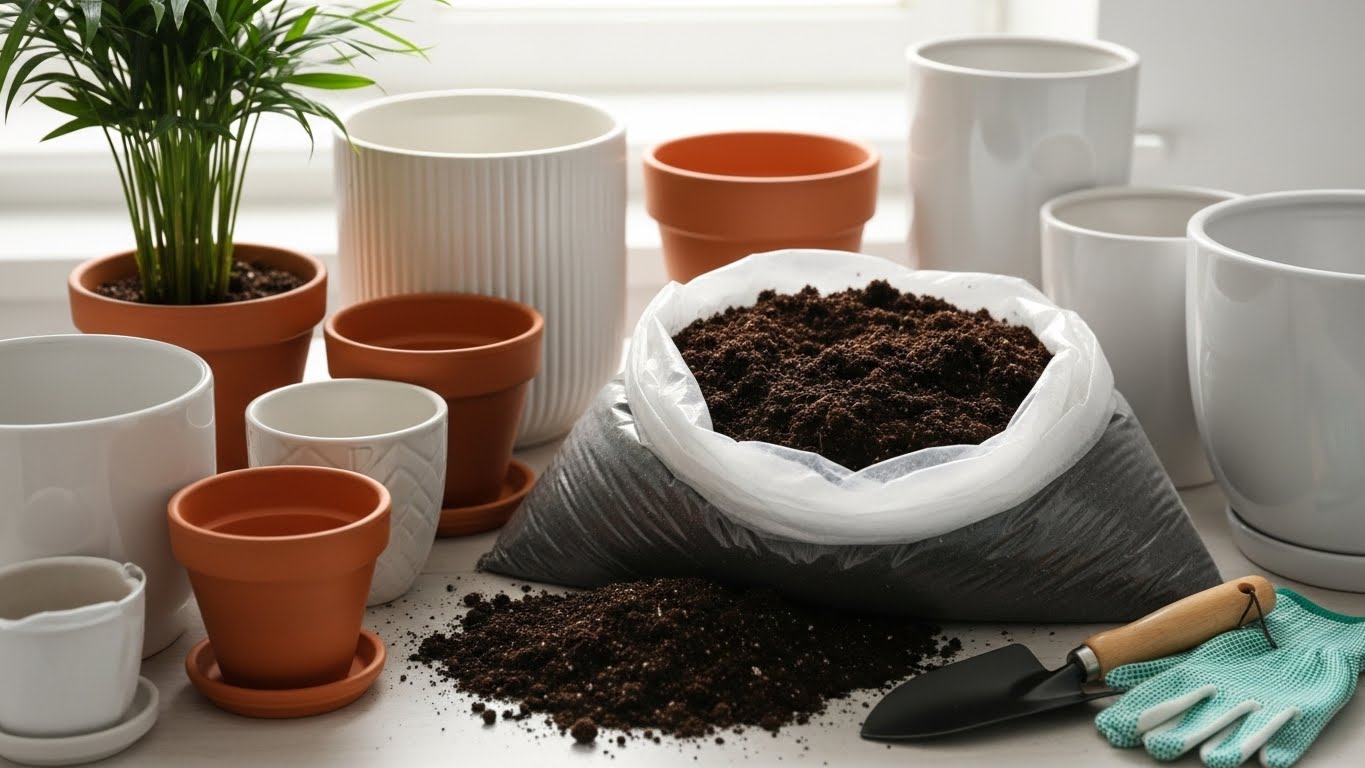
To grow a thriving Kentia palm in containers, you need a well-draining soil mix. Start with quality potting soil, then add perlite or coarse sand to boost drainage, and peat moss to retain moisture. A great recipe is two parts potting soil, one part compost, and one part perlite. This mix helps your palm flourish while preventing root rot. If you keep an eye on your soil health, you’ll notice your Kentia palm thriving beautifully. Want to know more tips?
Key Takeaways
💡 Understanding root rot is crucial for maintathisng healthy Kentia palms. This article will guide you through the signs to look for.
➜ Master this approach
- Use a well-draining potting mix with high-quality potting soil as the base to prevent root rot.
- Incorporate perlite or coarse sand to enhance drainage and improve soil aeration.
- Add peat moss to retain moisture while preventing soil compaction, benefiting the palm’s growth.
- Mix in compost or well-rotted manure for essential nutrients to support healthy development.
- Regularly refresh the top layer of soil annually to replenish nutrients and maintain overall soil health.
Understanding the Needs of Kentia Palms
When you think about growing a Kentia palm, understanding its needs is vital for helping it thrive in your home. These beautiful palms love bright, indirect light, so placing them near a window with filtered sunlight is perfect. Avoid harsh direct sunlight, as it can scorch their leaves. Additionally, providing a well-draining soil mixture is crucial for preventing root rot and ensuring optimal growth. Humidity levels are another important factor. Kentia palms enjoy a humid environment, which mimics their natural tropical habitat. You can boost humidity by misting the leaves or placing a small humidifier nearby. Keeping the air moist will guarantee your palm stays healthy and vibrant.
Essential Components of a Potting Mix
Creating the perfect potting mix for your Kentia palm is crucial because it lays the foundation for a healthy and thriving plant. An ideal potting mix should include a combination of components that promote soil drainage while retaining some moisture. Start with high-quality potting soil as your base. Add perlite or coarse sand to guarantee excellent drainage, preventing water from pooling around the roots. Incorporating peat moss can help retain moisture without making the mix overly compact. You might also consider adding a bit of bark to enhance aeration. Balancing these components will create an inviting environment for your Kentia palm, allowing it to flourish and bring a touch of tropical beauty to your space.
Recommended Soil Mix Recipes
💡 Winter can be a challenging time for indoor plants. Discover how to care for your Kentia palms during the colder months.
➜ Discover proven techniques
Finding the right soil mix for your Kentia palm can make a big difference in how well it grows. To create the perfect blend, start with a base of quality potting soil. You can enhance it by adding soil amendments like compost or well-rotted manure, which provide essential nutrients. For effective drainage solutions, mix in perlite or coarse sand to guarantee excess water flows away, preventing root rot. A recommended recipe is two parts potting soil, one part compost, and one part perlite. This mix keeps your palm nourished while allowing it to breathe, creating a happy environment for growth. With the right combination, your Kentia palm will thrive and flourish beautifully in its container!
Signs of Poor Soil Condition
Recognizing the signs of poor soil condition is essential for keeping your Kentia palm healthy and thriving. If you notice any of these warning signals, it’s time to take action:
- Water pooling: If the soil’s not draining well, standing water can suffocate roots, leading to root rot.
- Yellowing leaves: This can indicate a nutrient imbalance, signaling your palm isn’t getting what it needs to flourish.
- Slow growth: If your palm seems stagnant, the soil might lack the necessary nutrients to support its growth.
Tips for Maintaining Soil Health
Maintaining healthy soil is essential for your Kentia palm’s growth and overall health, especially since the right conditions can make a big difference in how well your plant thrives. To keep your soil vibrant, consider incorporating organic soil amendments like compost or worm castings. These not only enrich the soil but also improve moisture retention, ensuring your palm gets just the right amount of water. Additionally, avoid compacted soil by gently aerating it every few months, which helps roots breathe. Regularly check for pests or fungal issues, as these can harm your soil’s health. Finally, remember to refresh the top layer of soil annually, adding nutrients back into the mix. Your Kentia will flourish with a little care!
Conclusion
To sum up, nurturing your Kentia palm is like tending a delicate garden of dreams. By using the right soil mix, you’re giving your palm the best chance to thrive, just as a sturdy foundation supports a tall building. Remember to keep an eye on your soil’s health; it’s the lifeblood of your plant. With a little care and attention, your Kentia will flourish, filling your space with vibrant greenery and a touch of tropical paradise!
💡 Selecting the right pot is vital for your Kentia palm’s growth. Get insights on how to choose the perfect container.
➜ Get the step-by-step guide


