
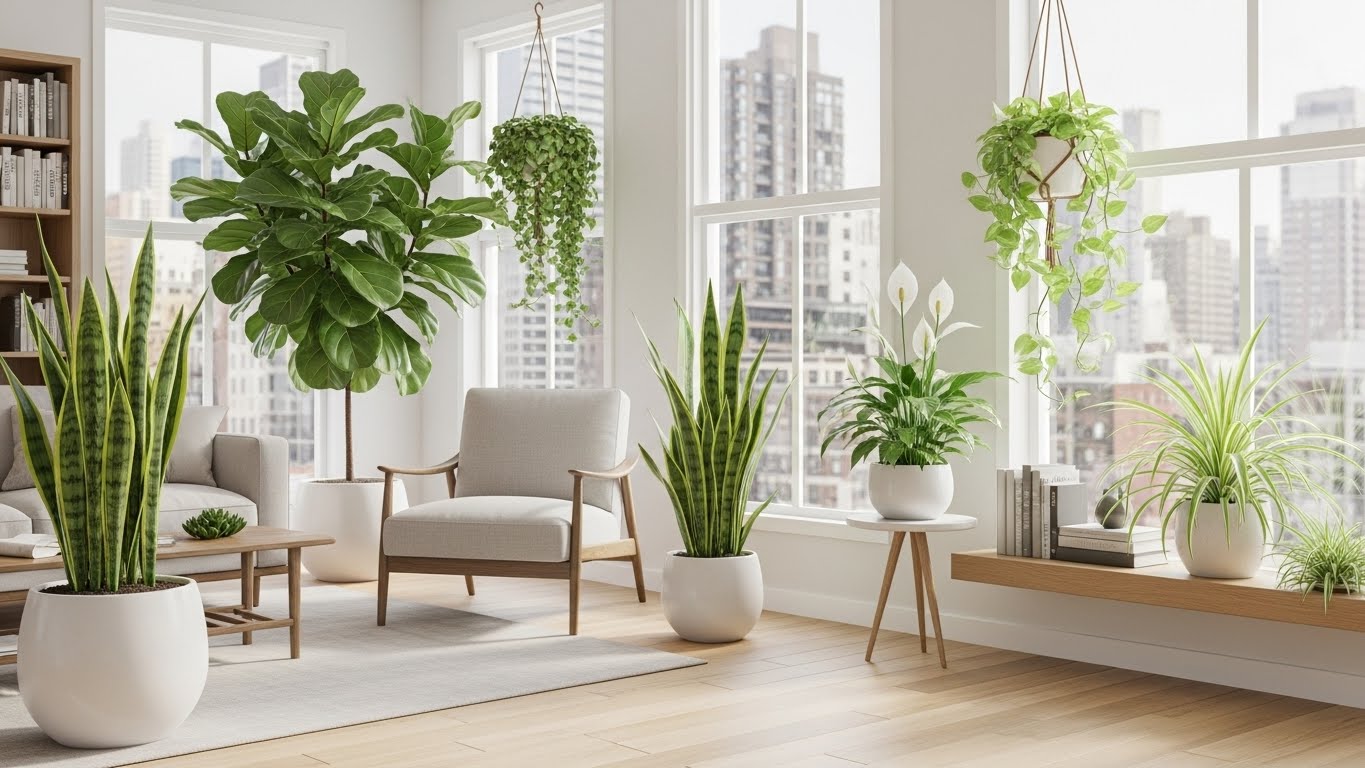
A houseplant glossary A–Z is like your secret map to understanding plant care! You’ll discover terms like “aeroponics,” where plants grow in mist instead of soil, and “chlorophyll,” the green pigment that helps plants make food. Learn about “cuttings” for propagating new plants or “underwatering,” which can stress your greens. Understanding these terms makes caring for plants fun and easy. Want to access even more plant wisdom? Keep exploring these fascinating concepts!
Key Takeaways
💡 If you’re concerned about your Anthurium’s health, understanding root rot is crucial.
➜ Discover proven techniques
- Aeroponics: A soil-free growing method where plants are nourished through a nutrient-rich mist, promoting rapid growth and reducing pests.
- Hydroponics: A technique using nutrient-rich water for plant growth, leading to higher yields while conserving water compared to traditional soil gardening.
- Cuttings: A propagation method where new plants are grown from existing ones, requiring specific humidity and light conditions for successful growth.
- Transplanting: Moving a plant to a larger pot to facilitate growth, ensuring proper drainage and fresh soil for optimal health.
- Chlorophyll: The green pigment in plants essential for photosynthesis, crucial for converting light energy into growth and producing oxygen.
Aeroponics
Aeroponics is an exciting way to grow plants without soil, and it’s all about the air! In aeroponic systems, plants hang in the air, their roots suspended and misted with a nutrient-rich solution. This method not only saves space but also allows plants to absorb more oxygen.
Discover the magic of aeroponics, where plants thrive in mid-air, soaking up nutrients and oxygen without soil!
You’ll love the benefits of aeroponics! First, it uses less water compared to traditional gardening, making it eco-friendly. You also get faster growth rates since plants receive ideal conditions. Plus, there’s no soil to worry about, which means fewer pests and diseases.
Imagine having fresh herbs or veggies right at home with minimal fuss! Aeroponics opens up a world of possibilities for you, whether you’re a beginner or a seasoned plant lover.
It’s a fun way to connect with nature, all while enjoying the thrill of watching your plants thrive in mid-air!
Aroid
Aroids are a fascinating group of plants that belong to the Araceae family, and they’ve captured the hearts of many plant enthusiasts! With their unique aroid characteristics, these plants often feature stunning foliage, striking shapes, and vibrant colors. Caring for aroids is essential to keep them thriving, and it’s easier than you might think!
Here’s a quick guide to aroid care:
Aroid Type | Light Needs | Watering Frequency |
|---|---|---|
Philodendron | Bright, indirect | Once every 1-2 weeks |
Monstera | Bright, indirect | Once a week |
Pothos | Low to bright | Once every 1-2 weeks |
Alocasia | Bright, indirect | Once a week |
ZZ Plant | Low | Every 2-3 weeks |
Make sure to provide well-draining soil and adequate humidity, and you’ll be rewarded with a beautiful, healthy plant! Enjoy the journey of nurturing your aroids!
Botanical
When you plunge into the world of botany, you’re exploring the science of plants and their incredible diversity! Every plant you see has a story, and understanding botanical classification helps you reveal those tales.
This system, known as plant taxonomy, sorts plants into groups based on shared characteristics, making it easier for you to identify and learn about them.
For instance, plants are categorized into various levels, starting from broad categories like kingdoms and phyla, down to specific species.
Imagine diving deep into the details of a houseplant—like your beloved pothos—discovering its family tree and why it’s related to other plants.
Chlorophyll
Chlorophyll is the green pigment that gives plants their vibrant color and plays an essential role in photosynthesis, the process by which plants convert sunlight into energy. Understanding chlorophyll’s function and importance can deepen your connection to your houseplants.
Chlorophyll Function | Chlorophyll Importance |
|---|---|
Absorbs sunlight | Fuels plant growth |
Converts light energy | Supports oxygen production |
Gives plants their color | Enhances aesthetic appeal |
When you nurture your plants, remember that chlorophyll is more than just a pretty color; it’s the lifeblood of their existence. Without it, plants wouldn’t thrive, and your living space wouldn’t feel as vibrant. So, the next time you admire your houseplants, take a moment to appreciate the magic of chlorophyll, knowing it’s working hard to keep your green companions alive and healthy.
Cuttings
Cuttings are a popular way to grow new plants from your existing houseplants, and they come in various types.
You’ll want to know the best propagation techniques, as well as the ideal timing and conditions for success.
Let’s explore how you can turn a simple piece of a plant into a thriving new addition to your collection!
Types of Cuttings
You might be surprised to learn that taking cuttings is one of the easiest ways to propagate your favorite houseplants!
There are several types of cuttings you can explore. Stem cuttings are popular for many plants, while leaf cuttings work wonders for succulents. If you’re feeling adventurous, try root cuttings to grow new plants directly from roots.
Tip cuttings, taken from the top of a stem, are effective too. For a more targeted approach, single node cuttings allow you to grow from just one node, whereas multi node cuttings give you multiple chances to grow.
Don’t forget about hardwood cuttings for woody plants or softwood cuttings for tender species; each has its unique charm in propagation!
Propagation Techniques
When you’re ready to immerse yourself in the exciting world of propagation, cuttings are a fantastic place to start! You can choose between soil propagation and water propagation, depending on what suits you best.
Propagation Method | Key Considerations |
|---|---|
Soil Propagation | Light requirements, temperature preferences |
Water Propagation | Cutting orientation, root development |
Use the right propagation containers to support your plants and keep disease prevention in mind for successful growth. Confirm proper light and temperature to maximize propagation success. Remember, timing is everything! The right moment can make all the difference, so immerse yourself and nurture your new plant babies, watching them flourish as they grow and thrive.
Timing and Conditions
Choosing the right timing and conditions for taking cuttings is essential if you want your plants to thrive. The best time to take cuttings is during the plant’s seasonal growth phase, when it’s bursting with energy and ready to propagate. This usually happens in spring or early summer, so your cuttings have the best chance to root and grow.
Make sure to provide ideal lighting for your new cuttings; bright, indirect light works wonders. Avoid direct sunlight, as it can scorch delicate leaves.
Keep the humidity levels high, too, by misting your cuttings or placing them in a mini greenhouse. With the right timing and care, you’ll be nurturing beautiful new plants in no time!
Dormancy
Dormancy in houseplants is like hitting the snooze button on a busy morning—it’s a natural phase where plants take a break from their usual growth. During dormancy, you might notice some dormancy signs, like yellowing leaves or slower growth. Don’t worry; your plant’s just resting!
To give your plant the best dormancy care, reduce watering and avoid fertilizing, as it won’t need as much energy at this time. Keep it in a cooler spot, mimicking its natural environment, which often encourages this restful phase.
While it may seem counterintuitive to pull back on care, this is essential for your plant’s health. Just like you need your beauty sleep, your houseplant needs its downtime to recharge and prepare for the next growth spurt.
Embrace this cycle, and soon enough, you’ll see your plant thriving again!
Epiphyte
Epiphytes are fascinating plants that live on other plants, but don’t worry—they’re not parasitic! Instead, they’ve developed amazing epiphyte adaptations to thrive in their unique environments, often in rainforests. These plants can absorb moisture and nutrients from the air and surrounding debris, which makes them special.
Caring for epiphytes can be simple once you understand their needs. They love bright, indirect light, so a well-lit spot is perfect. Make sure you provide good air circulation and avoid overwatering; these plants prefer to dry out between waterings.
You might also consider using a chunky potting mix that allows for drainage and airflow.
Some popular epiphytes include orchids and bromeliads, both known for their stunning beauty. With a little attention to their care, you’ll enjoy the vibrant presence of these remarkable plants in your home!
Fertilizer
When you want your houseplants to thrive, understanding fertilizer is key, as it provides essential nutrients that help them grow strong and healthy.
There are two main types you’ll encounter: organic fertilizer and chemical fertilizer.
Organic Fertilizer
This type comes from natural sources, like compost or manure. It enriches the soil slowly, feeding your plants over time.
Plus, it improves soil health, making it a great choice for those who want a more sustainable approach.
Chemical Fertilizer
In contrast, chemical fertilizer delivers nutrients quickly and efficiently. These synthetic options can give your plants a rapid boost, but they might also lead to over-fertilization if you’re not careful.
Finding the right balance between these two types can make a world of difference.
Remember to always follow the instructions on the package, and your houseplants will reward you with lush growth and vibrant leaves!
Grafting
Grafting is a fascinating technique that allows you to combine two different plants into one, creating unique characteristics and benefits.
By understanding the basics of grafting and exploring its advantages, you can enhance your gardening skills and grow healthier, more resilient houseplants.
Let’s jump into the world of grafting and see how it can transform your plant collection!
Grafting Techniques Overview
Did you know that grafting is a fascinating technique that allows you to combine two different plants into one? It’s an art that can lead to beautiful and unique results.
There are several grafting techniques you can try, such as whip-and-tongue, cleft grafting, and bud grafting. Each method has its own charm and can influence your grafting success. For example, whip-and-tongue is great for matching similar-sized stems, while cleft grafting works well for thicker branches.
No matter which technique you choose, make sure to keep your tools clean and the plants healthy—that’s key for a successful graft!
With a little practice and patience, you’ll be amazed at what you can create in your own garden.
Benefits of Grafting
One of the most exciting benefits of grafting is its ability to create plants that are stronger and more resilient than their individual parts. By combining the best traits of different plants, you can enjoy grafting advantages like improved disease resistance and better growth rates.
With various grafting techniques, such as splice or whip-and-tongue, you can experiment and find what works best for your garden. Grafting also allows you to propagate rare or hard-to-grow plants, making your collection truly unique.
Plus, it’s a fun and engaging way to deepen your connection with nature. Overall, the benefits of grafting can enhance both your gardening skills and the beauty of your indoor plant landscape.
Humidity
Humidity plays an essential role in the health and happiness of your houseplants, creating an environment where they can thrive. Understanding humidity levels is key to ensuring your plants meet their humidity requirements. Here’s a quick guide to help you manage humidity control:
Humidity Source | Humidity Effects | Ideal Humidity |
|---|---|---|
Misting | Prevents leaf drop | 40-60% |
Humidifiers | Promotes growth | 60-80% for tropical plants |
Pebble trays | Enhances moisture | 50-70% |
Grouping plants | Increases local humidity | 30-50% (general) |
Watering | Creates natural humidity | Varies by plant type |
You can measure humidity using a hygrometer, ensuring your plants get the perfect moisture. Remember, too little or too much humidity can affect their health, so keep an eye on those levels for happy, thriving plants!
Hydroponics
Hydroponics is a super cool way to grow plants without soil, using nutrient-rich water instead.
As you explore this method, you’ll discover its many benefits, like faster growth and less space needed.
Get ready to learn how hydroponic systems work and why they might be the perfect fit for your indoor gardening adventure!
Hydroponic Systems Overview
When you think about growing plants without soil, it might seem like magic, but that’s exactly what hydroponic systems offer!
These systems let you grow plants in nutrient-rich water, allowing them to thrive in ways traditional soil can’t match. You’ll discover hydroponic benefits like faster growth rates and more efficient use of space, which can make your gardening experience exciting.
However, it’s essential to be aware of hydroponic challenges as well, like the need for careful monitoring of nutrient levels and potential equipment failures.
Despite these hurdles, the satisfaction of watching your plants flourish in this unique setup can be incredibly rewarding.
Embrace the adventure of hydroponics and see how it can transform your gardening journey!
Benefits of Hydroponics
After exploring the fascinating world of hydroponic systems, it’s time to uncover the amazing benefits they bring to your gardening experience.
Hydroponics allows you to grow plants using nutrient solutions, which means healthier growth and higher crop yields. You’ll also notice impressive growth rates and space efficiency, making it perfect for small areas.
Plus, with effective pest management and disease prevention, your plants stay safe and strong. Hydroponics is a champion of water conservation, using considerably less water than traditional farming.
While setup costs may vary depending on the system types you choose, the environmental impact is undeniably positive, promoting sustainable gardening practices.
Embrace hydroponics, and watch your gardening dreams flourish!
Leaf Drop
Leaf drop can be a puzzling sight for any plant parent, as those once vibrant green leaves start to flutter down like autumn leaves in a gentle breeze. Understanding the leaf drop causes is key to keeping your plants healthy and happy.
Cause | Symptoms | Solution |
|---|---|---|
Overwatering | Yellowing leaves | Reduce watering frequency |
Underwatering | Dry, crispy leaves | Water thoroughly |
Temperature stress | Dropping leaves | Move to stable climate |
Pests | Discolored leaves | Treat with insecticidal soap |
Nutrient deficiency | Stunted growth | Fertilize appropriately |
Monstera
Monstera, often affectionately called the “Swiss cheese plant,” is a favorite among houseplant enthusiasts, and it’s easy to see why!
With its iconic split leaves and lush green appearance, caring for a monstera can be a delightful experience. To guarantee your plant thrives, place it in bright, indirect light and keep the soil slightly moist, but not soggy. This beautiful plant appreciates humidity, so misting it occasionally can really help.
If you’re feeling adventurous, monstera propagation is a fun way to expand your collection! Simply take a cutting that includes a node, place it in water or soil, and watch it grow.
Over time, your monstera won’t only enhance your space but also offer you a sense of accomplishment as it flourishes. With a little love and attention, your monstera will surely become a cherished part of your home!
Node
When you look at your houseplants, you might notice small bumps or nodes along the stems; these are vital for plant growth and propagation.
Understanding what a node is and how to identify it can help you multiply your plants and keep them healthy.
Let’s explore why these little spots are so important and how they can make your gardening journey even more exciting!
Definition of Node
Nodes are like the little hubs of life on a plant’s stem, holding the secrets to growth and branching. These special parts of a plant, known for their unique node structure, serve as the points where leaves, branches, or buds emerge.
Think of nodes as the plant’s communication centers; their node function is essential for signaling when and where new growth should happen. When you look closely, you’ll see that each node carries the potential for life, connecting the plant to its environment.
Understanding nodes helps you appreciate how plants flourish, making your green friends even more fascinating. So, the next time you gaze at your houseplant, remember those nodes are working hard to keep it vibrant and alive!
Importance in Propagation
Though it might seem surprising, the role of nodes in plant propagation is essential, as these little powerhouses are where new growth takes root. Understanding the importance of propagation means realizing that nodes are the key to creating new plants.
💡 Proper fertilization is key to keeping your Anthuriums thriving and blooming beautifully.
➜ Get the step-by-step guide
When you cut a stem and include a node, you’re setting the stage for roots to develop. These nodes contain the necessary cells that will grow into new shoots and eventually become thriving plants.
If you’re aiming for propagation success, focusing on nodes makes all the difference. By ensuring each cutting has a node, you’re giving your plant the best chance to flourish.
💡 Brown leaves can be a sign of distress in your Anthurium, but knowing the causes can help you take action.
➜ See how to implement this
Identifying Nodes on Plants
Identifying the nodes on your plants can be a fun adventure, especially when you realize how essential they’re for growth! Nodes are the points on a stem where leaves, branches, or flowers emerge. Understanding node identification helps you nurture your plants better.
Here are some key points about node importance:
- Growth Points: Nodes are where new growth occurs, enabling your plant to thrive.
- Propagation: You can propagate plants by cutting just below a node.
- Leaf Arrangement: Nodes help determine how leaves are arranged, affecting light exposure.
- Health Indicators: Healthy nodes indicate a thriving plant, while droopy or discolored nodes can signal issues.
Embrace the joy of discovering nodes, and watch your plant journey flourish!
Photosynthesis
Photosynthesis is like a magic trick that plants perform to turn sunlight into food! When you see your houseplants soaking up the sun, they’re busy at work, using light absorption to capture energy.
This energy fuels a fascinating process that happens in tiny structures called chloroplasts. Inside these green organelles, plants mix sunlight, water, and carbon dioxide from the air to create glucose, a type of sugar that serves as their food.
Isn’t that amazing? This process not only nourishes the plants but also releases oxygen, which is great for you and your space.
You can help your plants thrive by placing them in bright spots, allowing them to maximize their chloroplast function. By understanding photosynthesis, you’ll appreciate how your plants grow and contribute to a healthier home.
Propagation
Propagation is an exciting way to expand your houseplant collection!
You can use different methods and tools to help your plants grow new life, but it’s also easy to make some common mistakes along the way.
Let’s explore the types of propagation methods, what you’ll need to get started, and how to avoid those pitfalls!
Types of Propagation Methods
When you’re looking to expand your houseplant collection, understanding the different types of propagation methods can really make a difference.
Here are a few popular techniques you can try:
- Seed propagation: Growing plants from seeds, allowing for a variety of new plants.
- Division method: Splitting a mature plant into smaller parts, each capable of growing into a new plant.
- Layering technique: Encouraging roots to form on a stem while it’s still attached to the parent plant.
- Offsets propagation: Taking the small plants that grow at the base of some plants and replanting them.
You might also explore bulb propagation and tissue culture, both providing unique ways to expand your green family.
Each method offers a fun, hands-on experience!
Tools Needed for Propagation
To successfully propagate your houseplants, you’ll need a few essential tools that can make the process smoother and more enjoyable.
First, grab a sharp pair of scissors or pruning shears; clean cuts help prevent damage. Next, have some pots or containers ready for your cuttings. Don’t forget high-quality potting soil, as it provides the nutrients your new plants will need.
A measuring cup or scale is handy for mixing soil and water precisely. Finally, keep a clear plastic bag or a humidity dome nearby; it helps maintain moisture during the early stages.
With these propagation supplies in hand, you’re set to nurture new life and watch your plant family grow! Happy propagating!
Common Mistakes to Avoid
Even with the right tools gathered for propagation, it’s easy to trip up along the way.
Here are some common mistakes you should watch out for:
- Ignoring overwatering signs, like yellowing leaves.
- Not providing enough light for your cuttings to thrive.
- Forgetting about pest management, which can ruin your efforts.
- Using the wrong type of soil, risking root rot.
Root Rot
Root rot is a sneaky villain in the world of houseplants, often lurking beneath the soil where you can’t see it. This condition happens when roots sit in overly wet soil, leading to decay. If you’re not careful, it can sneak up on you and harm your beloved plant.
Here’s a quick overview of root rot causes and prevention:
Root Rot Causes | Root Rot Prevention |
|---|---|
Overwatering | Allow soil to dry between waterings |
Poor drainage | Use pots with drainage holes |
Heavy soil | Choose well-draining soil |
Root damage | Handle plants gently |
High humidity | Improve air circulation |
Soil Ph
Soil pH plays a vital role in how well your houseplants thrive, and understanding it can make a big difference in your plant care routine.
Ideally, most houseplants prefer a pH level between 6.0 and 7.0, which is slightly acidic to neutral, and knowing this can help you choose the right soil and nutrients.
To keep your plants happy and healthy, it’s important to test the soil pH regularly, so you can adjust it if needed and guarantee your plants get the best possible environment to grow.
Importance of Soil Ph
When you’re nurturing houseplants, understanding the importance of soil pH can make a world of difference in their growth and health.
Soil acidity influences nutrient availability, which is crucial for your plants’ well-being. A balanced pH helps guarantee your plants can absorb the nutrients they need, promoting lush leaves and vibrant blooms.
- Better nutrient absorption: Healthy soil pH levels allow plants to take in essential elements.
- Disease prevention: The right pH can help ward off certain diseases.
- Root health: Ideal acidity supports robust root development.
- Growth rate: Proper soil pH can enhance overall plant growth.
Ideal Ph Levels
Understanding ideal pH levels for your houseplants is essential, as it directly affects their health and growth.
Most houseplants thrive in a pH range of 6.0 to 7.0, which helps them access ideal nutrient levels. If the soil is too acidic or alkaline, your plants may struggle to absorb the nutrients they need.
You can use pH measurement techniques like test strips or digital meters to find out where your soil stands.
Testing Soil Ph
Testing your soil’s pH is an essential step in ensuring your houseplants thrive, and it’s easier than you might think!
By understanding the acidity or alkalinity of your soil, you can give your plants the best environment possible. Here’s how to get started with soil testing:
- Grab a pH meter: This handy tool will give you accurate readings.
- Collect soil samples: Gather a bit from different areas of your pot.
- Mix with water: Combine your soil with distilled water for an even test.
- Check the results: Compare the pH meter reading to ideal pH levels for your plants.
With just a little effort, you’ll know precisely what your plants need to flourish!
Succulent
Succulents, those enchanting plants with plump, fleshy leaves, have become favorites among houseplant lovers for their unique beauty and easy care. You’ll adore how they come in various shapes, sizes, and colors—there’s a succulent type for everyone!
From the classic Echeveria to the quirky Lithops, each has its charm.
When it comes to succulent care, the key is knowing they thrive in well-draining soil and need plenty of sunlight. Water them sparingly, letting the soil dry out between waterings, because too much moisture can lead to root rot.
You’ll find that they’re quite forgiving, making them perfect for beginners or busy plant parents.
Keep an eye out for pests like mealybugs and aphids, but don’t worry—they’re easy to manage.
Terrarium
A terrarium is like a little world you can create right in your home! These miniature ecosystems are perfect for showcasing your favorite terrarium plants. Not only are they beautiful, but they also offer a fun way to connect with nature indoors.
Here are some key points to keep in mind:
- Choose the right container: Clear glass works best to let light in.
- Select suitable plants: Pick low-maintenance terrarium plants like ferns or moss.
- Water wisely: Overwatering can lead to mold, so monitor moisture levels carefully.
- Keep it clean: Regular terrarium maintenance will keep your little world thriving.
Creating a terrarium allows you to express your creativity while nurturing your plants.
Express your creativity and nurture your plants by crafting your very own terrarium masterpiece.
Plus, it’s a calming hobby that can brighten up any space.
Transplanting
Transplanting your houseplants can feel like a mini adventure, and it’s an essential skill every plant enthusiast should master! When your plant outgrows its pot, it’s time to give it a fresh start.
Start by choosing a pot that’s one size larger, ensuring it has drainage holes. Gently remove your plant, using your fingers to loosen the roots without damaging them.
Here are some handy transplanting tips:
First, add fresh potting mix to the bottom of the new pot. Place your plant in the center, then fill around it with more soil, pressing gently to eliminate air pockets.
Water thoroughly after transplanting, but don’t overdo it—your plant needs time to adjust.
Using these transplanting techniques helps promote healthy growth and keeps your plant thriving. Remember, it’s all about giving your green friend the space it needs to flourish!
Happy transplanting!
Trough Planter
A trough planter is a long, narrow container that’s perfect for creating stunning displays of houseplants.
These planters not only look great but also provide unique benefits, like better drainage and space for plant roots to spread out.
If you’re thinking about combining different plants, a trough planter can help you mix and match to create a vibrant indoor garden!
Definition of Trough Planter
Trough planters, with their long and narrow design, are a fantastic choice for showcasing a variety of plants in a single container.
These versatile planters can fit perfectly in smaller spaces, like window sills or balconies, making them a popular option for plant lovers.
Here are some key points to evaluate:
- Trough planter benefits: They promote healthy root systems due to their depth.
- Suitable plants: You can grow herbs, succulents, or even colorful flowers.
- Design versatility: They can enhance your home’s aesthetic, indoors or outdoors.
- Easy maintenance: Watering and care are simple, allowing you more time to enjoy your plants.
Benefits for Houseplants
When you choose a trough planter for your houseplants, you’re opening the door to a world of benefits that can help your greenery thrive.
These planters not only enhance aesthetic appeal but also contribute to emotional wellness. With proper plant care, you’ll enjoy air purification and stress reduction, creating a serene indoor environment.
Trough planters allow for humidity regulation, maintaining a cozy atmosphere for both you and your plants. Plus, they can help improve focus, making your space perfect for studying or working.
As you engage in indoor gardening, you’ll witness the positive environmental impact of your choices.
Embrace the houseplant benefits that come with your trough planter; your home and well-being will thank you!
Ideal Plant Combinations
How can you create a stunning display in your trough planter? Pairing plants thoughtfully can really elevate your indoor oasis.
Choosing companion plants that thrive together not only enhances beauty but also promotes health. Here are some tips for ideal plant pairings:
- Height Variation: Mix tall plants with shorter ones for visual interest.
- Color Contrast: Combine vibrant foliage with softer hues to make each plant pop.
- Texture Play: Blend smooth leaves with spiky or fuzzy textures for depth.
- Growth Needs: Group plants with similar light and water requirements to guarantee they thrive.
Underwatering
Underwatering can sneak up on you, turning your once-thriving houseplant into a droopy shadow of its former self. This happens when you forget to give your plant enough water, often caused by busy schedules or simply overlooking its needs.
You might notice some signs of underwatering, like crispy leaf edges, yellowing leaves, or soil that feels bone-dry. If your plant’s leaves start curling or dropping, it’s a loud cry for help!
To fix underwatering, try to establish a watering routine. Check the soil regularly, and when it feels dry an inch down, it’s time to hydrate.
Remember, plants are like your little green companions—they thrive on your care. With a little attention and love, you can bring your plant back to life, ensuring it flourishes in your home once again.
Embrace the journey of plant parenthood, and watch your leafy friend bounce back!
Variegation
Variegation adds a splash of excitement to houseplants, turning ordinary greens into eye-catching displays with their unique patterns and colors. You’ll love how these plants stand out, making your space feel vibrant and alive.
Variegation patterns often include streaks, spots, or patches of white, cream, or yellow, creating stunning contrasts against the lush green foliage.
Here are some things to know about variegation:
- Unique Beauty: Each plant can have a completely different look.
- Sunlight Sensitivity: Variegation causes some plants to need more light for vibrant colors.
- Genetic Traits: Variegation patterns are often hereditary, passed down through plant generations.
- Care Challenges: Some variegated plants can be trickier to care for due to their specific light and water needs.
Embrace the beauty of variegation, and enjoy the dynamic flair it brings to your indoor garden!
Watering
Water your houseplants with care, and watch them thrive! The key to happy plants lies in understanding their watering frequency. Most houseplants prefer their soil to dry out a bit between waterings, so stick your finger in the dirt. If it feels dry an inch down, it’s time to water!
When it comes to watering techniques, aim for deep, thorough soaking. Instead of a quick splash, let the water flow slowly until it drains from the bottom. This guarantees that the roots get the moisture they crave.
Zamioculcas
Zamioculcas, often affectionately called the ZZ plant, is a fantastic choice for anyone looking to bring a touch of greenery into their home without the stress of complicated care routines.
This resilient beauty thrives on neglect, making it perfect for busy lifestyles or beginners.
Here are some key points about zamioculcas care and propagation:
- Low light tolerance: It’s perfect for dim corners of your home.
- Infrequent watering: Allow the soil to dry out completely between waterings.
- Easy propagation: You can grow new plants from leaf cuttings or division.
- Pest resistant: It generally avoids common houseplant pests.
With its glossy, deep green leaves, the ZZ plant not only enhances your space but also purifies the air.
Conclusion
In summary, understanding these houseplant terms can transform your indoor gardening experience from ordinary to extraordinary! Whether you’re exploring aeroponics or mastering the art of watering, each concept is a stepping stone to nurturing vibrant plants. So, immerse yourself in this leafy world with enthusiasm and confidence, and soon you’ll be the proud caretaker of a lush, thriving jungle right in your home. Remember, knowledge is your best tool, and each plant has its own story waiting to be told!
💡 Watering is one of the most important aspects of plant care, and knowing how to do it right can save your plants.
➜ Master this approach


