
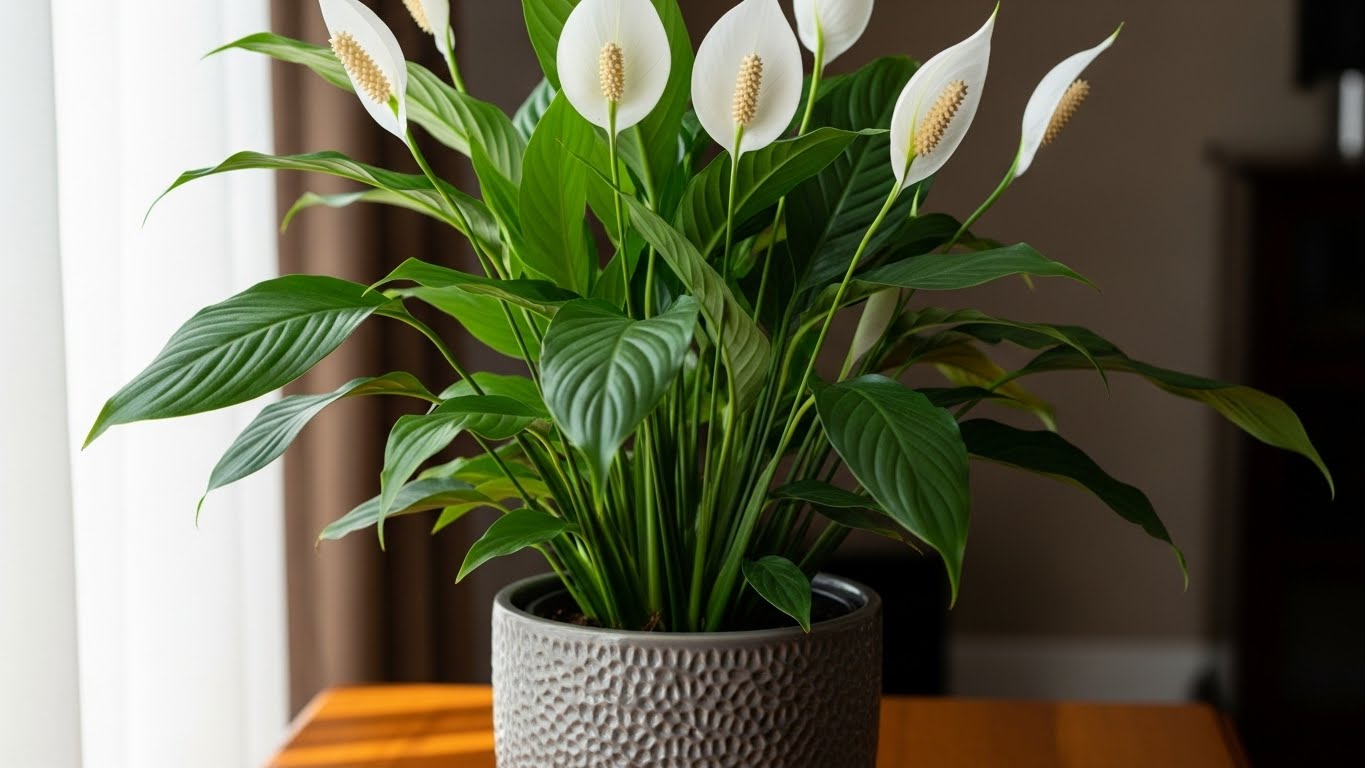
Peace lilies can live indoors for over a decade with the right care! By providing bright, indirect light, watering when the soil feels dry, and maintaining humidity, you can keep your peace lily thriving for years. They adapt well to various environments but need attention to avoid issues like wilting or yellow leaves. Plus, they’re great at purifying the air! If you’re curious about how to care for your peace lily better, there’s more to explore!
Key Takeaways
- Peace lilies can thrive indoors for over a decade with proper care and optimal conditions.
- Lifespan varies based on environmental factors and regular maintenance practices.
- Signs of distress should be promptly addressed to extend the plant’s life.
- Ideal growing conditions include bright, indirect light and well-draining soil.
- Consistent watering and humidity levels are crucial for maintaining health and longevity.
Understanding the Lifespan of Peace Lilies
When you bring a peace lily into your home, you might wonder how long it’ll thrive indoors. Generally, peace lilies can live for several years, especially if you take good care of them. With various peace lily varieties, you’ll find some that bloom more frequently, adding to their charm. To guarantee your peace lily flourishes, focus on indoor care: place it in bright, indirect sunlight and keep the soil moist but not soggy. They appreciate humidity, so consider misting their leaves occasionally. Regularly checking for yellowing leaves can help you spot any issues early. By nurturing your peace lily with love and attention, you’re more likely to enjoy its beauty for years to come. Additionally, ensuring proper light conditions is crucial for photosynthesis and flower production.
Factors Affecting Peace Lily Longevity
Several factors can influence how long your peace lily thrives indoors, and understanding these can help you become a better plant parent. To guarantee your plant flourishes, consider these key aspects:
Understanding key factors like watering, humidity, and temperature can help your peace lily thrive indoors.
- Watering: Overwatering can lead to peace lily diseases, while underwatering causes droopy leaves. Finding the right balance is vital.
- Humidity: Peace lilies love humidity, so placing them in a moist environment can reduce environmental stress and keep them happy.
- Temperature: Extreme temperatures can be harmful. Keep your peace lily in a stable environment, away from drafts and heaters, to promote longevity.
Ideal Light Conditions for Peace Lilies
When it comes to keeping your peace lily thriving, light plays a significant role in its health and happiness. You’ll want to find that perfect spot where it can soak up bright, indirect light, but don’t worry if you don’t have a sun-drenched room; peace lilies are pretty good at handling low light too. Understanding these light conditions will help your plant flourish and stay vibrant for years to come!
Bright Indirect Light
To keep your peace lily thriving, bright indirect light is key to its happiness and health. This type of light offers several bright indirect light benefits, guaranteeing your plant flourishes without the risk of sunburn. Here’s how to achieve ideal light exposure for your peace lily:
- Location Matters: Place your plant near a window with filtered light, but not in direct sunlight.
- Rotate Regularly: Turn your peace lily occasionally to guarantee all sides receive light evenly, promoting balanced growth.
- Watch for Signs: Keep an eye on your plant; if the leaves start to yellow, it might be getting too much light.
Low Light Tolerance
Peace lilies are surprisingly adaptable plants, thriving even in low light conditions, which makes them perfect for homes or offices with limited sunlight. You don’t need to worry if your space lacks bright light; these beauties can grow happily indoors with just a little indirect light. They’ll flourish in corners or rooms that don’t get much sun, making them ideal companions for those cozy spaces.
However, keep in mind that while they can tolerate low light, their growth may slow down. To encourage vibrant indoor growth, try rotating your plant occasionally to guarantee even light exposure. With a little care and attention, your peace lily will thrive, bringing a touch of elegance and life to your indoor environment!
Watering Requirements for Healthy Growth
When it comes to keeping your peace lily happy and thriving, understanding its watering needs is key. You’ll want to learn how often to water, recognize the signs of overwatering, and discover the best techniques to keep your plant healthy. Let’s explore these essential tips to guarantee your peace lily flourishes indoors!
Watering Frequency Guidelines
Understanding how often to water your peace lily is essential for keeping it healthy and thriving. These lovely plants enjoy a balance of water quality and humidity levels, so let’s make sure you’re on top of their needs. Here are some guidelines to help you:
- Check the soil: Water your peace lily when the top inch of soil feels dry. This prevents overwatering while ensuring your plant gets the moisture it craves.
- Observe humidity: If your home’s humidity is low, you might need to water more often. Peace lilies love a humid environment, so keep an eye on the atmosphere around them.
- Seasonal adjustments: During warmer months, increase watering frequency, as your plant may need a little extra love to flourish.
Signs of Overwatering
Overwatering can be a sneaky problem that many plant parents face, often leading to distress for your peace lily. Recognizing the overwatering symptoms early can save your plant from root rot. Here’s what to look for:
Signs of Overwatering | What to Observe | Action Steps |
|---|---|---|
Yellowing Leaves | Leaves turn yellow or brown | Reduce watering immediately |
Wilting | Leaves droop and feel soft | Check soil moisture |
Mold on Soil | White or fuzzy mold appears | Remove mold and improve airflow |
Root Rot | Brown, mushy roots | Repot in fresh, dry soil |
Dropping Leaves | Leaves fall off easily | Assess your watering routine |
Stay attentive, and your peace lily will flourish with love and care!
Best Watering Techniques
To keep your peace lily thriving, you’ll want to master the art of watering! Proper watering techniques are essential for healthy growth and moisture retention. Here are three tips to help you along:
- Check the soil: Before watering, stick your finger about an inch into the soil. If it feels dry, it’s time to water.
- Water thoroughly: When you do water, make sure to soak the soil evenly. Let excess water drain out of the pot, ensuring the roots get enough moisture.
- Adjust frequency: Depending on your home’s humidity, you may need to water every week or every other week. Keep an eye on your plant; it’ll tell you what it needs!
Soil and Potting Considerations
When it comes to growing healthy peace lilies indoors, choosing the right soil and potting setup is crucial for their longevity and vibrancy. You’ll want to use a well-draining potting mix, like one made from peat moss, perlite, or orchid bark. This combination guarantees your plant thrives without waterlogging.
Here’s a quick guide to help you with soil types and potting techniques:
Soil Types | Potting Techniques |
|---|---|
Peat-based mixes | Use pots with drainage holes |
Perlite or vermiculite | Repot every 1-2 years |
Orchid bark | Water thoroughly after repotting |
Temperature and Humidity Preferences
When caring for your peace lily, understanding its temperature and humidity preferences is essential for its health. These plants thrive in a cozy environment, ideally between 65°F and 80°F, and they love humidity, which means you might need to mist them or place them near a humidifier. Plus, seasonal changes can impact their needs, so keeping an eye on the temperature and moisture levels will help your peace lily flourish all year round!
Ideal Temperature Range
Peace lilies thrive best in an ideal temperature range of 65 to 80 degrees Fahrenheit, making them perfect indoor companions. These lovely plants can be sensitive to temperature fluctuations, so keeping their environment stable is key to their well-being. Here are a few tips to help you create the perfect home for your peace lily:
- Avoid drafts: Keep your plant away from windows or doors that open frequently, as sudden cold air can be harmful.
- Monitor heat sources: Stay mindful of heaters or radiators that might cause the temperature to spike unexpectedly.
- Check humidity: Though we’ll discuss humidity later, remember that the ideal humidity complements the temperature, creating a happy space for your peace lily to thrive.
With a little attention, your peace lily will flourish!
Humidity Requirements
Humidity plays a significant role in keeping your peace lily healthy and vibrant. These lovely plants thrive in ideal humidity levels of 40% to 60%. When humidity is too low, your peace lily might start to droop or show brown tips on its leaves, signaling that it needs a little extra care. To maintain those perfect humidity levels, you can mist your plant regularly, place it in a pebble tray filled with water, or even use a humidifier. Remember, peace lilies love a cozy, moist environment, so don’t hesitate to pamper them! By creating the right humidity conditions, you’ll help your peace lily flourish, ensuring it stays healthy and beautiful for years to come.
Seasonal Temperature Changes
As temperatures change throughout the seasons, your peace lily‘s needs can shift dramatically, so it’s essential to keep an eye on the thermometer! These lovely plants thrive best in consistent temperatures, and sudden temperature fluctuations can stress them, leading to seasonal dormancy. To keep your peace lily happy, follow these tips:
- Warmth: Keep temperatures between 65°F and 85°F (18°C to 29°C) for ideal growth.
- Avoid Drafts: Make sure your peace lily isn’t near cold drafts or direct heat sources, which can cause stress.
- Humidity: Remember that humidity levels should stay high; consider misting your plant during dry winter months.
Fertilizing Your Peace Lily
Fertilizing your peace lily is essential for keeping it healthy and vibrant, especially if you want to see those beautiful white blooms thrive. To achieve the right nutrient balance, choose the right fertilizer types. A balanced, water-soluble fertilizer works wonders. Here’s a handy table to guide you:
Fertilizer Type | Frequency |
|---|---|
Balanced Fertilizer | Every 6-8 weeks |
Slow-Release Fertilizer | Every 3-4 months |
Organic Options | Every 8-10 weeks |
Liquid Fertilizer | Every 4 weeks |
Bloom Booster | During blooming season |
Signs of a Healthy Peace Lily
When you look at your peace lily, the leaf appearance and color are key indicators of its health. A vibrant, deep green means your plant is thriving, while yellowing or browning can signal trouble. Plus, keep an eye on how often it flowers; a healthy peace lily will bloom regularly and keep those lovely white flowers around for a good stretch!
Leaf Appearance and Color
The vibrant green leaves of a Peace Lily are like nature’s own thumbs-up, signaling that your plant is thriving. You’ll want to keep an eye on a few key features to guarantee your Peace Lily looks its best:
- Leaf Shape: Healthy leaves have a lovely, elongated shape that tapers at the ends, giving them a graceful appearance.
- Leaf Texture: The texture should be smooth and glossy, reflecting light beautifully. If they feel rough or dry, something might be wrong.
- Color: A deep, rich green indicates liveliness. If you notice yellowing or browning tips, it’s a sign your plant needs attention.
Flowering Frequency and Duration
Watching your Peace Lily bloom is like witnessing a little celebration in your home, as these beautiful plants can surprise you with their lovely white flowers. Typically, Peace Lilies go through flowering cycles about two to three times a year. During these cycles, you can expect blooms to last anywhere from a few weeks to a couple of months, depending on how well you care for them. To guarantee your plant thrives and showcases its stunning flowers, keep it in a spot with indirect light, and don’t forget to water it regularly. With the right conditions, you’ll enjoy the bloom longevity that makes these plants so special, adding joy and life to your indoor space.
Common Issues and Their Solutions
Peace lilies are generally hardy plants, but that doesn’t mean they’re immune to problems. You might notice issues like common pests, leaf diseases, or even root rot. Here are three common issues and their solutions:
- Common Pests: Check for aphids or spider mites. A gentle spray of insecticidal soap can help eliminate them.
- Leaf Diseases: If leaves turn yellow, it could be due to nutrient deficiencies or environmental stress. Adjust your watering schedule and consider fertilizing.
- Root Rot: Make sure your plant isn’t sitting in water. Use proper pruning techniques to remove affected roots and repot in fresh soil.
With the right care and attention to seasonal changes, your peace lily can thrive alongside its plant companions!
Repotting Your Peace Lily
Repotting your peace lily is an important step in ensuring its continued health and growth, especially after addressing any common issues. You should consider repotting every 1-2 years, depending on how quickly your plant grows. Choosing the right pot size matters too; a pot that’s too small can stunt growth, while one that’s too large can lead to overwatering.
Repotting Frequency | Recommended Pot Size | Signs It’s Time to Repot |
|---|---|---|
Every 1-2 years | 1-2 inches larger | Roots outgrowing pot |
After flowering | Slightly larger | Yellowing leaves |
When soil depletes | Same size or larger | Drooping despite watering |
Pest Management for Peace Lilies
Even though you might love your peace lily, pests can sometimes sneak in and cause trouble. To keep your plant healthy, you’ll need to focus on pest identification and organic remedies. Here are three steps to help you manage pests effectively:
Pest control is essential for a healthy peace lily; focus on identification and natural solutions for best results.
- Inspect Regularly: Check your peace lily for any signs of pests like spider mites or aphids. Catching them early makes a big difference!
- Wash Them Off: Use lukewarm water to gently rinse your plant. This can remove many pests without the need for harsh chemicals.
- Apply Organic Remedies: Consider using neem oil or insecticidal soap to tackle any remaining invaders. These natural solutions are safe and effective for your beloved plant.
With these tips, you can enjoy a thriving peace lily for years to come!
Seasonal Care Tips
Taking good care of your peace lily throughout the seasons can make a big difference in its health and longevity. During spring, increase your seasonal watering, as your plant will thrive with new growth. In summer, keep an eye on the temperature; peace lilies prefer warmth but can suffer in intense heat, so consider moving it to a cooler spot. Fall brings a chance to adjust watering again, letting the soil dry out a bit more between sessions. When winter arrives, reduce watering considerably, as your peace lily will enter dormancy. Regularly check for drafts, as these temperature adjustments can help keep your peace lily happy and healthy all year round. Your attention will truly pay off!
Propagating Peace Lilies
Propagating peace lilies is a rewarding way to share your love for these beautiful plants while also expanding your indoor garden. You can easily multiply your collection using a few simple peace lily propagation methods, especially by dividing peace lilies. Here’s how you can get started:
- Choose the Right Time: Late spring or early summer is ideal, when your plant is actively growing.
- Prepare the Tools: Use a clean, sharp knife or spade to carefully separate the root ball into sections, ensuring each piece has roots and leaves.
- Replant: Place each division in its own pot with fresh potting soil, water lightly, and watch them thrive!
With a little patience, you’ll have new plants to enjoy or share with friends!
Enhancing Indoor Air Quality With Peace Lilies
When you bring a peace lily into your home, you’re not just adding a lovely plant to your decor; you’re also inviting a powerful air purifier into your space. Known for their air purification abilities, peace lilies filter out harmful toxins like formaldehyde and benzene, helping you breathe easier. This means cleaner air for you and your loved ones, enhancing your indoor aesthetics without compromising style. Their glossy green leaves and elegant white blooms create a warm atmosphere, making any room feel more inviting. Plus, they’re low-maintenance, so you can enjoy the benefits of fresher air without a lot of work. With a peace lily, you’re nurturing both your environment and your well-being—what’s not to love?
Conclusion
To sum up, with the right care, your peace lily can thrive and brighten your indoor space for several years. Think of it as a resilient friend, blooming and purifying the air, bringing a touch of nature into your home. By providing adequate light, water, and a bit of love, you can enjoy its elegant presence while it dances gently in the breeze. So, nurture it well, and it’ll reward you with beauty and energy for a long time!


