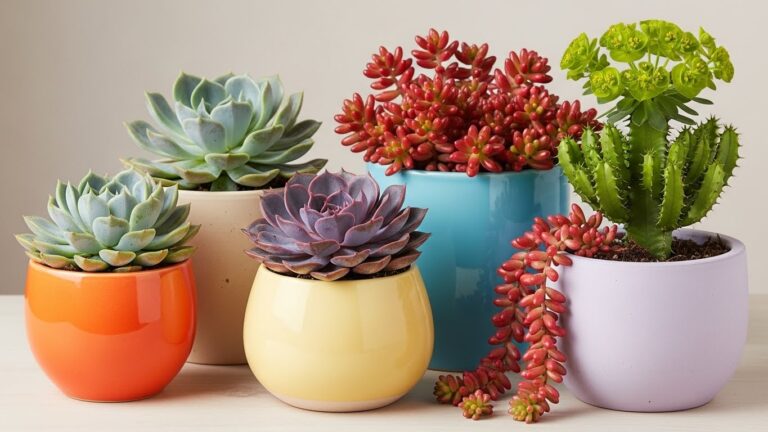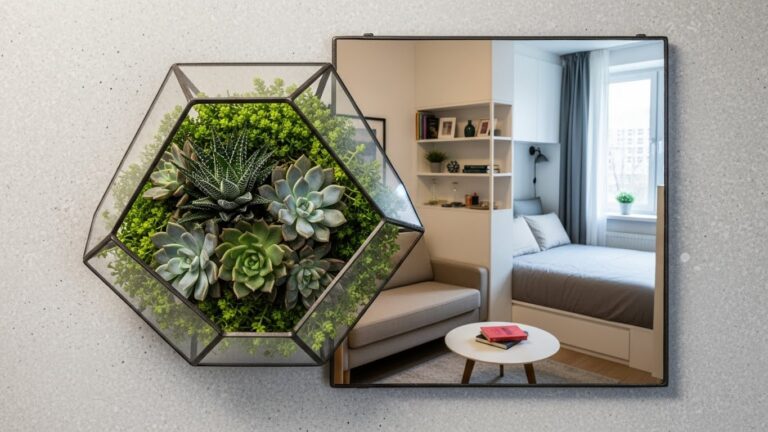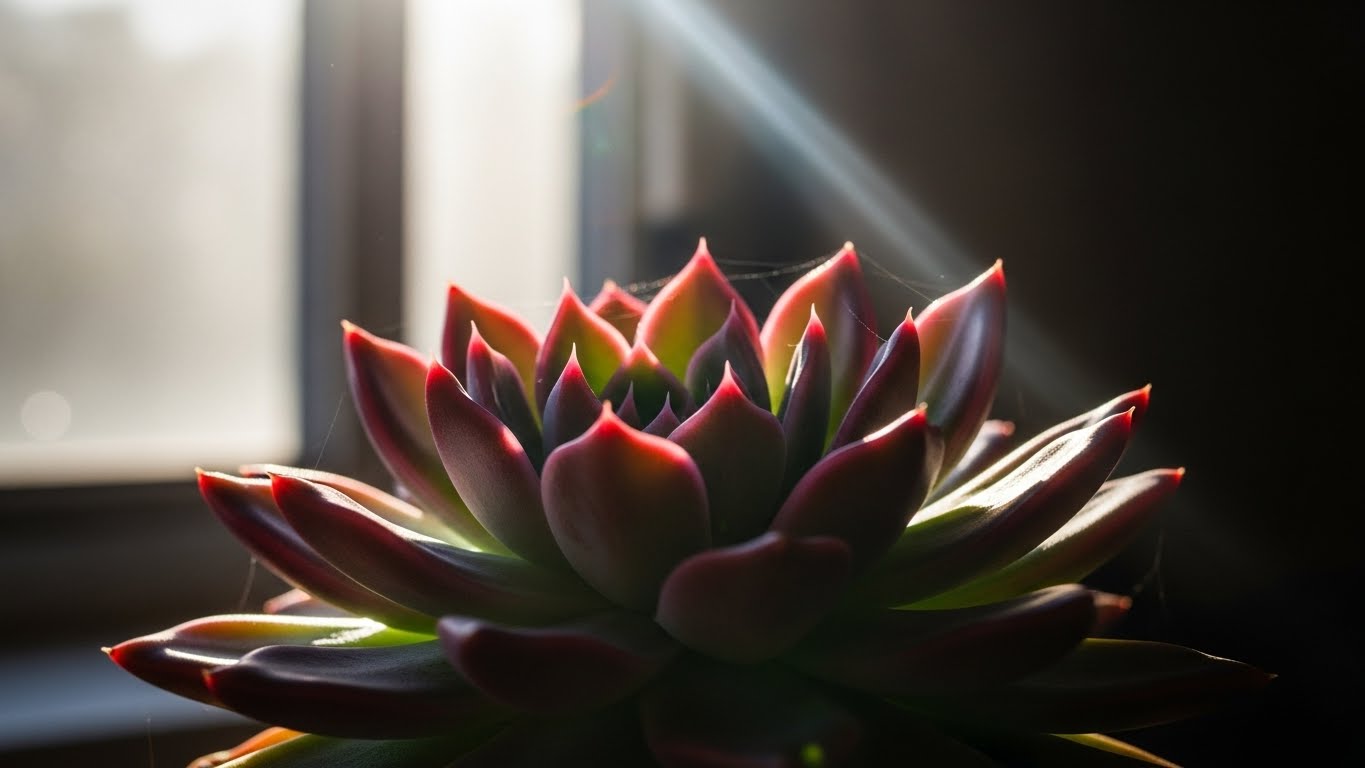
Succulents need bright, indirect light to thrive indoors, so placing them near a sunny window is ideal. They can adapt to lower light levels, but watch for signs like leaf stretching or faded color—those mean they need more light! Different types of succulents have varying light preferences, and seasonal changes can affect their exposure. Keeping an eye on these factors helps your plants stay healthy and vibrant. Want to know more about how to care for your succulents?
Key Takeaways
- Succulents thrive in bright, indirect sunlight and can tolerate lower light conditions when necessary.
- Seasonal changes require adjusting succulent placement to maximize light exposure, especially in winter.
- Insufficient light leads to stretching growth, faded colors, and slow development in succulents.
- Excessive light can cause leaf burn, wilting, and a washed-out appearance, indicating stress.
- Regularly monitor and adjust light conditions, using grow lights if natural light is inadequate.
Understanding Succulent Light Requirements
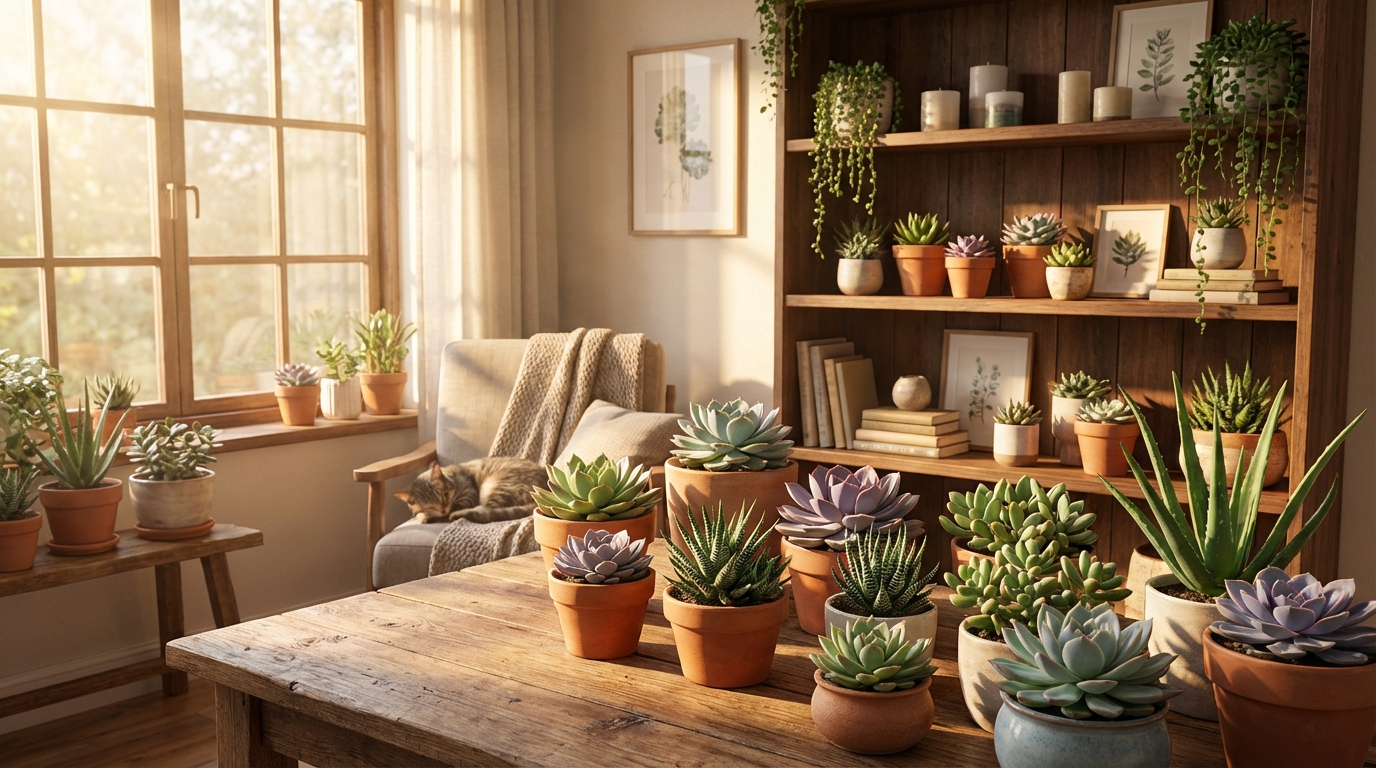
When it comes to growing healthy succulents indoors, understanding their light requirements is vital. These charming plants thrive on the right light intensity, and you’ve got to pay attention to their needs. Succulents typically prefer bright, indirect sunlight, but they can adapt to lower light conditions too. As the seasons change, so do the light levels in your home. In winter, you might notice less natural light, so it’s important to reposition your plants near windows that receive the most sun. Keep an eye on their leaves; if they start stretching or changing color, they’re signaling for more light. By tuning into these cues, you’ll help your succulents flourish and show off their stunning beauty all year round! Additionally, providing at least six hours of bright, indirect light daily will help maintain their health and vibrant colors.
Types of Light and Their Effects on Succulents
Understanding the different types of light that succulents require can make a big difference in how well they thrive in your home. Natural light is ideal, offering a full light spectrum that helps them grow strong and vibrant, but you need to evaluate light intensity and duration. During seasonal changes, the angle of sunlight shifts, affecting how much your plants receive. If natural light isn’t enough, artificial light can be a great alternative, especially using grow lights that mimic the sun’s rays. You can also use light filters to soften harsh sunlight, preventing damage. Remember, each succulent type has its own preferences, so pay attention to their unique needs while indulging in your indoor gardening journey!
Ideal Indoor Lighting Conditions
How can you create the perfect indoor lighting conditions for your succulents? First, think about how much natural light your space gets. Ideally, succulents thrive in bright, indirect light, so placing them near a window is a great start. If direct sunlight isn’t an option, consider using artificial indoor light, like LED grow lights, to mimic that vibrant sun. Remember, too much direct light can scorch their leaves, while too little can stunt their growth. A good rule of thumb is to observe your plants; if they start stretching toward the light, they’re craving more. Rotate your succulents occasionally to guarantee even exposure, helping them grow strong and healthy in the cozy confines of your home.
Best Locations for Your Succulents
Finding the perfect spot for your succulents is key to their growth and health. Bright windowsills are often the best choice, but you’ll want to steer clear of dark corners where they can’t get enough light. Consider the difference between east and south exposure, as each offers distinct benefits that can help your plants thrive.
Bright Windowsills Ideal
Bright windowsills are like a sun-soaked stage for your succulents, providing the ideal spot for them to thrive indoors. These sunny spaces offer excellent sunlight exposure, ensuring your plants receive the bright light they crave. When you place your succulents on a windowsill, they’ll bask in the warmth and energy they need to grow strong and vibrant. Remember, bright windowsill care involves turning your plants every so often, so they grow evenly and don’t lean toward the light. If you notice them stretching too much, it might be a sign to move them closer to the window. So, embrace that sunny spot in your home, and watch your succulents flourish like never before!
Avoid Dark Corners
While it might be tempting to tuck your succulents into the cozy corners of your home, doing so can leave them feeling a bit neglected. Succulents thrive in bright light, and dark areas simply won’t do. Instead, think about your plant placement carefully. Aim for spots near windows where sunlight pours in, allowing your succulents to soak up those essential rays. If you’re considering a corner, make sure it’s bright enough; otherwise, your plants might stretch awkwardly, searching for light. Remember, healthy succulents need that energy to stay vibrant and happy. So, let’s keep those dark corners reserved for other decorations and give your leafy friends the bright, sunny homes they deserve!
East vs. South Exposure
When choosing the best spots for your succulents, consider the direction of sunlight they’ll receive, as this can greatly impact their growth and health. East exposure benefits your plants by providing gentle morning sunlight, which helps them wake up without burning. This softer light encourages vibrant colors and steady growth, making them feel cozy in your home.
On the other hand, south exposure advantages include bright, direct sunlight for much of the day. This can help succulents thrive, boosting their growth and making them more resilient. However, be cautious, as too much direct sun can cause sunburn. By understanding these differences, you can create a nurturing environment for your succulents to flourish beautifully.
Signs of Insufficient Light
When your succulents aren’t getting enough light, they might start showing some clear signs that something’s off. You may notice wilting or stretching growth, as they reach desperately for that sunlight, and their once vibrant leaves could fade in color. Recognizing these signs early can help you adjust their light exposure and keep your plants healthy and happy!
Wilting or Stretching Growth
If you notice your succulent starting to wilt or stretch unnaturally, it’s a clear sign that it’s not getting enough light. Wilting leaves often droop and lose their plumpness, making your once-vibrant plant look sad. Meanwhile, stretching stems lean toward the light source, creating an awkward, elongated appearance. This happens because your succulent is desperately reaching for more sunlight. It’s like your plant is saying, “Help me grow!” To fix this, try moving it closer to a window where it can soak up those rays, or consider supplementing with a grow light. Remember, your succulent thrives on light, so don’t let it languish in the shadows. Give it the attention it needs, and watch it flourish!
Faded Leaf Coloration
Faded leaf coloration is one of the most telling signs that your succulent isn’t getting enough light. When you notice those faded leaves, it’s like your plant is whispering that it needs your help! Color changes can range from vibrant greens to pale yellows or even browns. This transformation often indicates that your succulent is stretching for sunlight, which can weaken its structure over time. If you catch these shifts early, you can easily adjust its environment. Move your succulent closer to a bright window or consider using a grow light to boost its spirits. Remember, your succulent thrives on the right amount of light, so keep an eye out for those faded leaves and act quickly!
Signs of Excessive Light
Too much light can be just as harmful to succulents as too little, and recognizing the signs of excessive light is essential to keeping your plants healthy and happy. Here are some signs to watch for:
Recognizing signs of excessive light is key to ensuring your succulents remain healthy and vibrant.
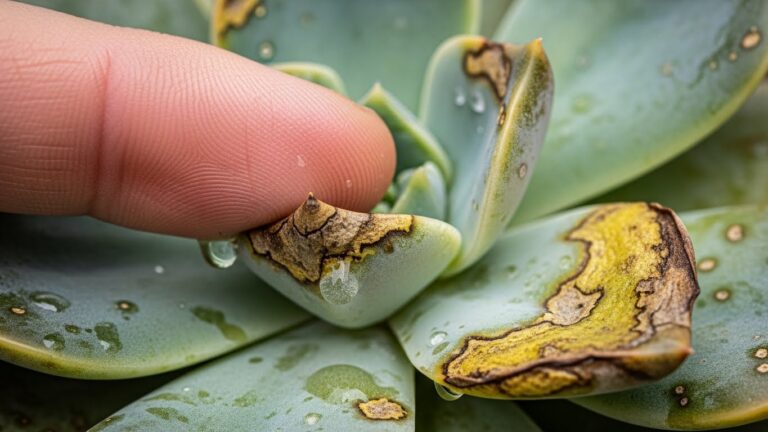
- Sunburnt Leaves: You might notice brown or crispy spots on the leaves, indicating they’re getting scorched.
- Fading Colors: If your once-vibrant succulents start looking washed out, they may be overwhelmed by light.
- Leaf Drop: Losing leaves can be a sign that your plant’s struggling under too much sun exposure.
- Leggy Growth: If your succulent stretches awkwardly toward the light, it’s a signal it’s not receiving the right amount.
Keep an eye out for these signs, and your succulents will thrive!
Adjusting Light Conditions Throughout the Year
Adjusting light conditions throughout the year is important for keeping your succulents healthy and thriving. As seasons change, so does light intensity, which means your plants might need a little extra care. In the winter, sunlight is weaker and shorter, so you might want to move your succulents closer to windows or add grow lights. Conversely, during the summer, the bright sun can be too harsh, so consider placing them a bit further away or providing some shade. Remember, seasonal adjustments are key! By being attentive to your succulents’ needs and adjusting their light conditions, you’ll guarantee they flourish year-round. Your little green friends will thank you with vibrant colors and healthy growth, making every effort worthwhile!
Conclusion
To sum up, giving your succulents the right amount of light is like finding the perfect rhythm in a song; too much or too little can throw them off beat. By understanding their light needs and adjusting conditions throughout the year, you can help your plants thrive. So, whether you choose a sunny windowsill or a cozy corner with indirect light, keep an eye out for their signs, and your indoor garden will flourish like a scene from a vibrant fairy tale!