
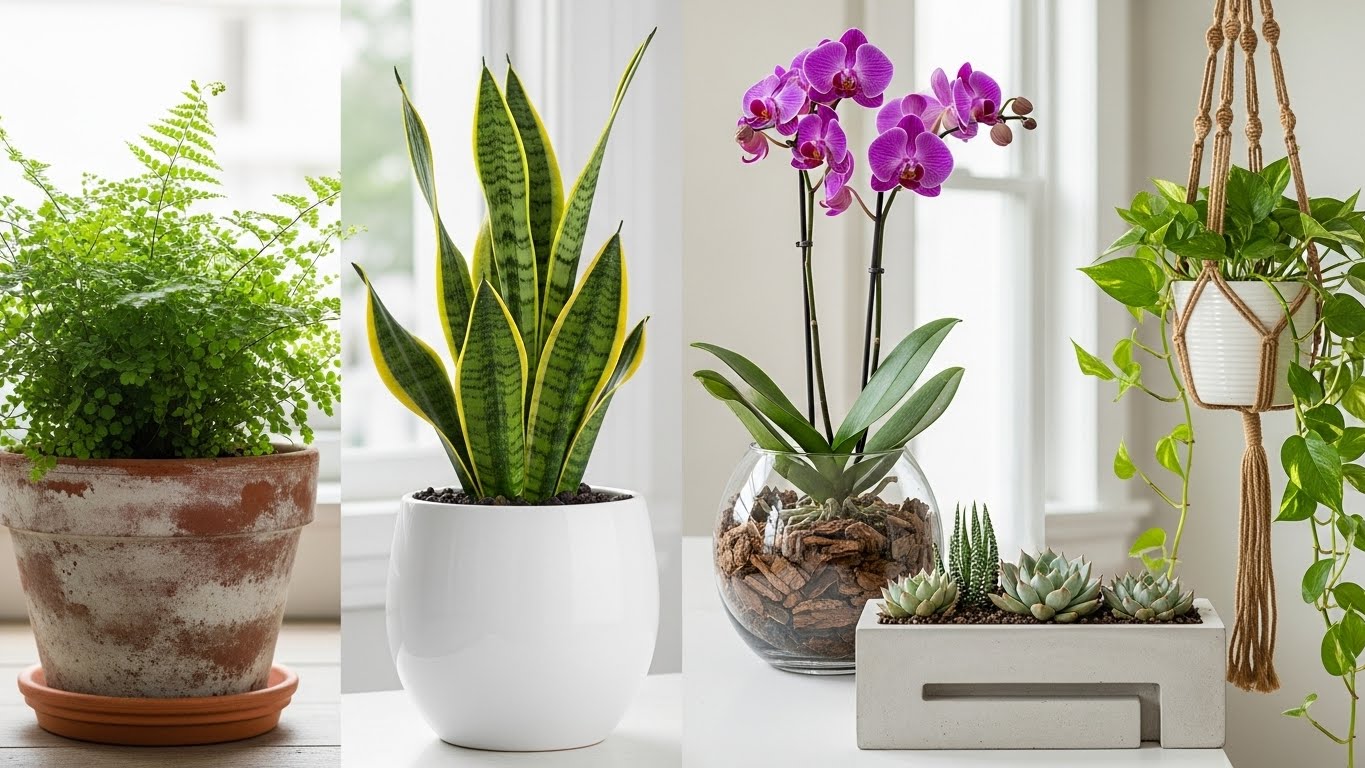
To match pot style with plant type, think about your plant’s watering needs, drainage, and growth patterns. For humidity-loving plants, choose pots with excellent drainage and moisture retention, like clay. Lightweight plastic pots are great for indoor herbs, while heavyweight pots are better for stability. Consider colors and designs that fit your space and the season, too—bold pots can add fun! Want to discover more tips on this topic? Keep exploring!
Understanding Plant Needs: Watering and Drainage
When you’re choosing the right pot for your plant, understanding its watering and drainage needs is essential, as these factors directly affect your plant’s health. Each plant has unique soil moisture requirements, and too much or too little water can lead to problems. For instance, if your plant thrives in high humidity levels, it may need a pot with excellent drainage to prevent root rot. You can check the soil moisture by sticking your finger into the soil; if it’s dry a couple of inches down, it’s time to water. Remember, a pot that retains moisture well suits plants that love humidity, while those that prefer drier conditions need pots that drain quickly. Keep your plant happy!
Choosing the Right Material: Clay, Plastic, and Metal
When it comes to choosing the right pot material, you’ve got some exciting options like clay and plastic. Clay pots are great for plants that need good air circulation and moisture control, while plastic containers are lightweight and often more affordable, making them perfect for a variety of plants. Let’s explore the benefits of each to help you make the best choice for your green buddies!
Benefits of Clay Pots
Clay pots are a gardener’s best friend, offering a unique blend of benefits that can enhance your plant-growing experience. One of the main clay pot benefits is their ability to provide excellent thermal regulation. They help maintain consistent temperatures for your plants, keeping roots cool in the summer and warm in the winter. Additionally, clay pots are breathable, allowing air and moisture to flow through the walls, which prevents overwatering and root rot. You’ll also find that their natural appearance blends beautifully with any garden style, adding charm to your space. Plus, their durability means they can last for years, making them a wise investment for any passionate gardener. Embrace the advantages of clay pots, and watch your plants thrive!
Advantages of Plastic Containers
While clay pots offer numerous benefits, plastic containers also bring their own set of advantages that can be quite appealing for gardeners. One major perk is their durability factors; unlike clay, plastic pots won’t crack or break easily, making them a reliable choice for both indoor and outdoor plants. They’re lightweight, which means you can rearrange your garden with ease. Additionally, plastic containers are often more cost effective than their clay counterparts, allowing you to save money for other gardening essentials. You’ll find them in a variety of colors and styles, letting you express your creativity. So, if you’re looking for a practical, stylish option that stands the test of time, plastic pots might just be the way to go!
Considering Size: How Pot Dimensions Affect Growth
When you’re choosing a pot for your plant, size really does matter! The height and diameter of the pot can greatly influence how your plant grows, so it’s essential to take into account the roots’ space and needs. Whether you go for a deep pot that allows roots to stretch down or a shallow one for plants that spread out, getting the dimensions right can make all the difference in keeping your greenery healthy and happy!
Pot Height Matters
Choosing the right pot height for your plants is essential because it can greatly affect their growth and overall health. When you think about pot proportions, remember that taller pots are perfect for plants that grow high, allowing them the space they need to thrive. If you’ve got a tall plant, a deeper pot supports its roots and helps prevent tipping. Conversely, short plants need shallower pots, so they don’t struggle to reach the light or become waterlogged. Finding the balance in pot height is vital; too much soil can suffocate roots, while too little leaves them exposed. Pay attention to your plant’s height and choose wisely, ensuring they have the best chance to flourish in their cozy new home!
Diameter and Root Space
Pot height isn’t the only factor to take into account when selecting a pot for your plants; the diameter plays a significant role too. A wider pot gives roots more space to spread, which is essential for healthy root growth. When roots have room to grow, your plant can absorb more nutrients and water, leading to a thriving, vibrant specimen.
However, it’s also important to evaluate pot stability. A pot that’s too wide without adequate height might tip over, especially if your plant grows tall. You want to guarantee your plant stands strong and secure. So, as you choose your pot, remember that a balance of diameter and height helps your plants flourish and keeps them stable.
Deep vs. Shallow Pots
While both deep and shallow pots serve distinct purposes in plant care, understanding their differences can help you make informed decisions that benefit your plants’ growth. Deep pots are ideal for plants with deep root systems, like tomatoes or corn, allowing roots to spread and absorb nutrients effectively. On the other hand, shallow pots work wonders for plants with shallow root systems, such as succulents or herbs, where less soil depth is needed. Choosing the right pot size means considering how your plant grows. So, if you’re nurturing a sturdy plant that digs deep, go for a deeper pot. But for little guys that prefer to stay close to the surface, a shallow pot is just perfect. Happy planting!
The Importance of Drainage Holes
When you’re picking a container for your plants, it’s essential to take into account drainage holes, since they play an important role in keeping your greenery healthy. Without proper drainage, excess water can build up, leading to root rot and unhappy plants. The size of these holes matters too; larger holes allow for quicker drainage, while smaller ones might retain too much moisture.
Hole Size | Drainage Importance | Best For |
|---|---|---|
Small | Slower drainage, retains moisture | Tropical plants |
Medium | Balanced drainage, suitable for many plants | General houseplants |
Large | Fast drainage, prevents waterlogging | Succulents and cacti |
Matching Aesthetics: Color and Design Choices
When choosing pots for your plants, color and design play an essential role in creating a harmonious look. You’ll want to think about how the pot’s color complements the plant’s leaves and blooms, as well as how its design fits into your overall style—whether that’s modern, rustic, or something in between. By matching these elements, you can elevate your plant display and make your space even more inviting!
Color Harmony Essentials
Color harmony is an essential part of creating a beautiful plant display, as it helps you choose pots that not only complement your plants but also enhance the overall aesthetic of your space. Understanding color psychology can really elevate your choices. For instance, if you have vibrant green plants, consider pots in complementary colors, like soft pinks or warm yellows, to make them pop. These hues can evoke different feelings and create a lovely balance. Don’t shy away from experimenting! A bold blue pot might just add that unexpected charm to your setup. By thoughtfully selecting colors, you’re not just potting plants; you’re crafting a feeling, a mood, and an inviting atmosphere that reflects your unique style.
Design Style Compatibility
Matching your pot style with your plant type can elevate your indoor or outdoor space, making it not just visually appealing, but also a reflection of your personal taste. Consider how your plant’s characteristics can influence your design choices. For instance, a sleek, modern pot works beautifully with a minimalist plant like a snake plant, creating a stunning style synergy. Alternatively, a rustic terracotta pot complements a vibrant flowering plant, enhancing its natural charm. Pay attention to color and texture—these design influences can tie everything together. By thoughtfully selecting pots that resonate with your plant’s essence, you’ll create a cohesive look that feels intentional and warm, making your space truly yours. Happy planting!
Lightweight vs. Heavyweight Pots: Pros and Cons
Choosing between lightweight and heavyweight pots can really impact your gardening experience, so it’s essential to weigh the pros and cons of each. Lightweight pots offer fantastic benefits, like being easy to move and rearrange, which is perfect if you enjoy changing your plant displays. They also tend to be more affordable, making them great for budget-conscious gardeners. However, heavyweight pots come with their own drawbacks; they can be difficult to lift and may restrict your ability to reposition plants. On the upside, their sturdiness provides excellent stability, especially for larger plants. Ultimately, your choice should reflect your gardening style and the specific needs of your plants, balancing convenience with stability for a thriving garden.
Decorative vs. Functional Pots: Finding the Balance
When you’re planning your garden, it’s important to strike a balance between decorative and functional pots, since both play unique roles in creating a thriving green space. Decorative features, like vibrant colors or unique shapes, can add charm and personality to your garden, making it visually appealing. However, don’t forget about functional design! Pots need to support your plants’ health, ensuring proper drainage and root space.
To achieve that balance, consider mixing styles. For instance, a stunning ceramic pot can hold a hardy plant, while a sleek, simple design might house delicate flowers. By thoughtfully choosing pots that harmonize both aesthetics and practicality, you’ll create a garden that’s not only beautiful but also a flourishing sanctuary for your plants.
Pot Styles for Indoor Herbs and Vegetables
Creating a vibrant indoor herb or vegetable garden isn’t just about the plants themselves; the pots you choose play a significant role in their growth and health. For herb potting, opt for shallow containers that allow roots to spread while retaining moisture. Clay pots are a great choice, as they provide excellent drainage and a natural look, making your kitchen feel alive.
When it comes to vegetable containers, look for larger pots, ideally 12 inches deep, to accommodate root systems. Self-watering containers can also be beneficial, ensuring your veggies stay hydrated. Remember, the style of your pots can reflect your personality while nurturing your indoor garden. Choose wisely, and watch your herbs and vegetables thrive!
Succulents and Cacti: Best Potting Options
If you want to keep your succulents and cacti thriving, selecting the right pot is essential. Start by choosing pots with drainage holes, as both succulent varieties and cacti need well-draining soil to prevent root rot. Terracotta pots are fantastic because they absorb moisture, helping your plants stay dry between waterings. You might also consider ceramic pots with drainage; they’re stylish and functional!
For cactus care, make certain the pot isn’t too large; a snug fit encourages healthy growth. You can even get creative with decorative pots, but always prioritize drainage. Remember, the right pot not only enhances your plant’s beauty but also guarantees they flourish, bringing joy to your space! Happy planting!
Selecting Pots for Flowering Plants
Selecting the perfect pot for your flowering plants can make all the difference in how vibrant and healthy they appear. When choosing pots, consider both pot aesthetics and the needs of your flowering varieties. A beautiful pot not only enhances your plant’s look but also complements your space.
Here are a few tips to help you choose wisely:
- Material matters: Clay pots provide breathability, while ceramic offers a sleek, polished look.
- Size is key: Ascertain your pot is large enough to accommodate root growth without overwhelming your plant.
- Drainage is essential: Opt for pots with drainage holes to keep roots from sitting in water.
With these pointers, you’ll create a stunning display that highlights your flowering plants beautifully.
Seasonal Considerations for Pot Selection
When the seasons change, so do the needs of your plants, and picking the right pot can truly make a difference. As you embrace seasonal trends, think about the climate adaptability of your pots. For spring and summer, lightweight materials like terracotta can promote airflow and drainage, helping your plants thrive. In the cooler months, consider heavier, insulated pots that protect roots from frost. You might also want to choose pots with drainage holes, as excess water can harm your plants during rainy seasons. Remember, a well-chosen pot not only enhances your plant’s health but also adds charm to your space. Stay attuned to the seasons, and let your pot selection reflect the beauty of nature’s rhythm!
Conclusion
In the end, matching your pot style with the right plant type can feel like a puzzle where the pieces never quite fit. You might think a beautiful pot will make any plant thrive, but without the right drainage or size, your green friend might just sulk instead! So, embrace the challenge of finding that perfect pot; it’s not just about looks—it’s about creating a happy home for your plants. After all, even the fanciest pot can’t make up for poor plant care!


