
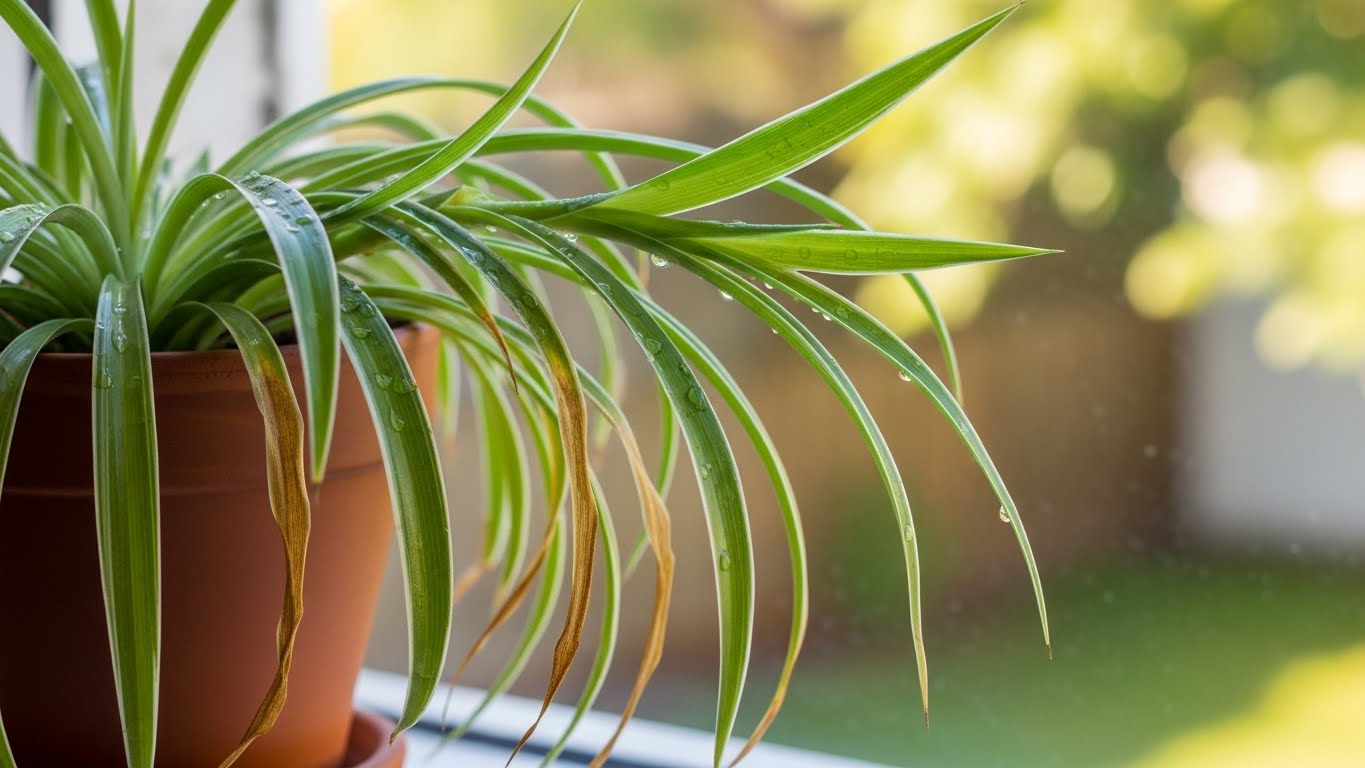
To revive a drooping spider plant, start by checking soil moisture—water it if the top inch feels dry. Observe for yellowing leaves, which might point to overwatering or nutrient deficiencies. Make certain your plant gets bright, indirect light and inspect for pests like spider mites. Prune away any dead or yellow leaves to encourage new growth. You can also consider re-potting for healthier soil. Stick around to discover more tricks for keeping your plant thriving!
Key Takeaways
- Check soil moisture and water only when the top inch feels dry to avoid overwatering.
- Ensure the plant receives bright, indirect light to support healthy growth.
- Inspect for pests and diseases; treat promptly to prevent further stress.
- Prune yellow or brown leaves and stems to encourage bushier growth and improve appearance.
- Re-pot if root-bound, using fresh potting soil and a container with drainage holes.
Understanding the Signs of a Drooping Spider Plant
When you notice your spider plant starting to droop, it’s essential to pay attention because this can be a sign that your plant needs some extra care. Drooping leaves can indicate that your plant’s health is at stake, and it’s your chance to reconnect with your green friend. Keep an eye out for growth signals, like yellowing or browning leaves, as these can hint at underlying issues. Your spider plant relies on you to provide the right balance of water, light, and nutrients. Additionally, understanding the importance of well-draining soil can significantly improve your plant’s overall health. By understanding these signs, you can create an environment that encourages vibrant growth and resilience. Remember, nurturing your spider plant isn’t just about keeping it alive; it’s about fostering a thriving relationship with nature!
Common Causes of Drooping
Understanding why your spider plant is drooping is key to bringing it back to life. One common culprit is overwatering, which can lead to drooping leaves. If you notice yellowing or mushy roots, these are clear overwatering signs. On the flip side, your plant might be lacking essential nutrients. A nutrient deficiency can cause leaves to droop and lose their vibrant color. Make sure to check the soil and consider using a balanced fertilizer to give your plant that extra boost it needs. By identifying whether it’s overwatering or nutrient deficiency, you can take the right steps to revive your beloved spider plant and watch it flourish again.
Assessing Watering Needs
How can you tell if your spider plant needs water? You’ll want to check its moisture levels regularly. A good rule of thumb is to water when the top inch of soil feels dry. Keep an eye on your plant’s leaves; if they’re drooping or browning, it’s a sign it’s thirsty. Understanding your watering frequency can help maintain that vibrant green look!
Moisture Level | Plant Condition |
|---|---|
Dry (1 inch+) | Leaves droop or brown |
Slightly Moist | Healthy, but needs attention |
Moist | Ideal condition |
Soggy | Overwatered, root rot risk |
Adjusting Light Conditions
To help your spider plant thrive, you’ll need to adjust its light conditions. These plants love bright, indirect light but can get stressed out in direct sunlight, so finding that sweet spot is key. Keep an eye on how the light changes in your home, as it can really affect your plant’s health and growth!
Optimal Light Requirements
When you think about giving your spider plant the best chance to thrive, adjusting its light conditions becomes vital. Spider plants flourish in bright, indirect light, making indoor lighting essential for their health. Position your plant near a window where it can soak up natural light without being scorched. If you notice its leaves turning yellow, it might be a sign it’s not getting enough light. You can also rotate your plant occasionally to guarantee all sides receive equal light exposure. Remember, a happy spider plant will grow lush and vibrant, so pay attention to its light needs. Striking the right balance with indoor lighting will transform your spider plant into a beautiful addition to your home!
Avoid Direct Sunlight
While your spider plant loves bright light, it definitely doesn’t appreciate the harsh rays of direct sunlight. Too much light intensity can scorch its delicate leaves, causing them to droop and lose their vibrant green color. To keep your plant happy, think carefully about its plant placement. Position it near a window with filtered light or a few feet away from direct sunlight. You can also use sheer curtains to soften the intensity of the sun. This way, your spider plant gets the light it craves without the risk of getting burnt. Remember, finding that perfect balance will help your plant thrive and regain its lush appearance. So, keep it cozy and watch it bounce back!
Monitor Light Changes
Even with the right placement, your spider plant will still need some adjustments as the seasons change. Light intensity can vary greatly, affecting your plant’s health. Pay attention to how the sun moves throughout the year, and be ready for seasonal adjustments.
Here’s a simple guide to help you:
Season | Ideal Light Conditions | Action Needed |
|---|---|---|
Spring | Bright, indirect light | Move closer to window |
Summer | Bright, filtered light | Rotate plant weekly |
Fall | Moderate light | Adjust distance |
Winter | Low to moderate light | Supplement with grow light |
Checking for Pests and Diseases
Before you plunge into caring for your spider plant, it’s essential to check for pests and diseases that could be affecting its health. Start by inspecting the leaves for any sticky residue, webbing, or discoloration, as these can signal pest infestations. Common culprits like spider mites and aphids can be sneaky, so don’t skip this pest identification step! Next, look for signs of diseases, such as yellowing leaves or mushy spots, which often indicate root rot or fungal issues. Early detection is key in disease prevention, so take a moment to thoroughly examine your plant. If you find any pests or signs of disease, act quickly to either treat them or remove the affected parts. Your spider plant will thank you!
Improving Soil Quality
To bring your spider plant back to life, you need to focus on improving its soil quality. Choosing the right soil mix can make a big difference, as it helps provide essential nutrients and support healthy growth, while enhancing drainage properties guarantees your plant isn’t sitting in water, which can lead to root rot. With the right soil in place, you’ll set your spider plant up for a thriving comeback!
Choosing the Right Soil
Choosing the right soil for your spider plant is like picking the perfect home; it needs to be cozy and just right for your plant to thrive. You want to choose a well-draining mix that allows for air circulation while retaining enough moisture. Here are some common soil types and potting techniques to take into account:
Soil Type | Benefits | Potting Technique |
|---|---|---|
Cactus Mix | Excellent drainage | Use in a pot with drainage holes |
Peat-based Mix | Moisture retention | Combine with perlite for aeration |
All-purpose Mix | Versatile for many plants | Verify it’s lightweight |
Organic Mix | Nutrient-rich | Re-pot every year |
Using the right soil will help your spider plant flourish, so invest some time in this vital step!
Enhancing Drainage Properties
When you’re looking to enhance the drainage properties of your spider plant’s soil, it’s important to remember that good drainage keeps roots healthy and prevents fungus or rot. Start by choosing the right pot options—select a container with drainage holes to allow excess water to escape. You might also consider using a well-draining potting mix, which typically includes ingredients like perlite or sand. These drainage solutions help aerate the soil, ensuring your plant’s roots can breathe. If you’re repotting, you can mix in some extra perlite for an even better texture. Remember, your spider plant will flourish with the right balance of moisture and air, so take these steps to keep it thriving!
Pruning and Grooming Techniques
Pruning your spider plant can feel a bit like giving it a fresh haircut, and it’s an essential step to keep your plant healthy and looking its best. Start by using sharp, clean scissors to snip away any brown or yellow leaves, as these can sap your plant’s energy. For those long, leggy stems, don’t hesitate to trim them back to encourage bushier growth. Remember, pruning techniques not only enhance the appearance but also help your spider plant thrive.
When you finish pruning, give your plant a gentle wipe with a damp cloth; this is one of the best grooming tips to remove dust and boost its shine. Your spider plant will thank you with vibrant, healthy growth!
Re-potting Your Spider Plant
Re-potting your spider plant can be a game-changer for its health and growth, especially if you notice it outgrowing its current pot. To start, pick a container that’s one size larger than the existing pot. Make sure it has drainage holes; this prevents water from sitting at the bottom and causing root rot. When applying re-potting techniques, gently loosen the roots and remove any dead or mushy ones. Place your plant in the new pot, fill with fresh potting soil, and water it thoroughly. This new space allows your spider plant to thrive and encourages the growth of those lovely baby spiderettes. Remember, a happy plant means a happy you, so give it the care it deserves!
Maintaining Long-term Health and Care
To keep your spider plant thriving for years to come, it’s essential to establish a consistent care routine that meets its needs. Start with the right fertilizer frequency; during the growing season, feed it every 4-6 weeks with a balanced houseplant fertilizer. Remember to reduce feeding in winter when growth slows down.
Next, monitor the humidity levels in your home. Spider plants love humidity, so misting their leaves or placing a humidifier nearby can work wonders. If you notice brown tips on the leaves, it might be a sign that the air is too dry.
With these simple steps, you’ll create a nurturing environment that keeps your spider plant happy and healthy for years ahead!
Conclusion
To sum up, reviving your drooping spider plant isn’t rocket science—thankfully! With a little water, some light adjustments, and maybe a pest check, you can turn that sad plant frown upside down. Remember, your spider plant’s been through a lot, so treat it like royalty while you work your plant-parent magic. Soon enough, it’ll be thriving and showing off its lush green leaves, making you feel like you’ve just won a botanical award!


