
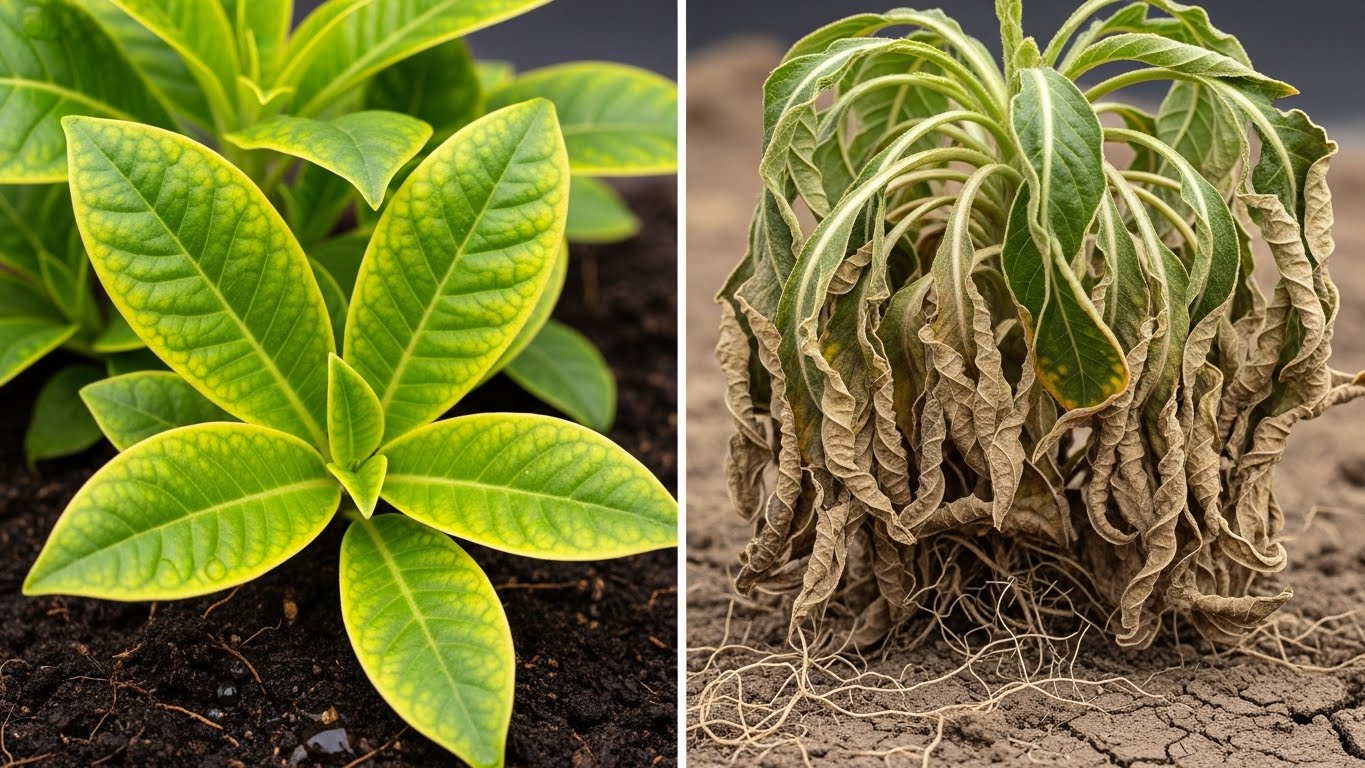
To tell if your anthurium is too dry or overwatered, look for signs like wilting, curling leaves, or dry soil for underwatering, while yellowing leaves, mushy roots, or dark spots might indicate overwatering. High humidity helps prevent these issues, so keep an eye on moisture levels in the soil. Use your finger or a moisture meter to check if the soil is dry or soggy. Keep your plant thriving, and there’s more to learn about keeping it healthy!
Key Takeaways
💡 Different plants have unique care requirements that can affect their watering needs.
➜ Explore advanced methods
- Wilting and leaf curling indicate underwatering, while yellowing leaves suggest overwatering.
- Check for dry, crumbly soil for underwatering signs and mushy roots for overwatering.
- Crispy or browning leaves are signs of dryness, whereas dark spots may signify excess moisture.
- Regular moisture checks with the finger test or moisture meter help determine the plant’s needs.
- Ensure high humidity levels to prevent distress in your anthurium, as low humidity can lead to droopy leaves.
Recognizing Signs of Underwatering
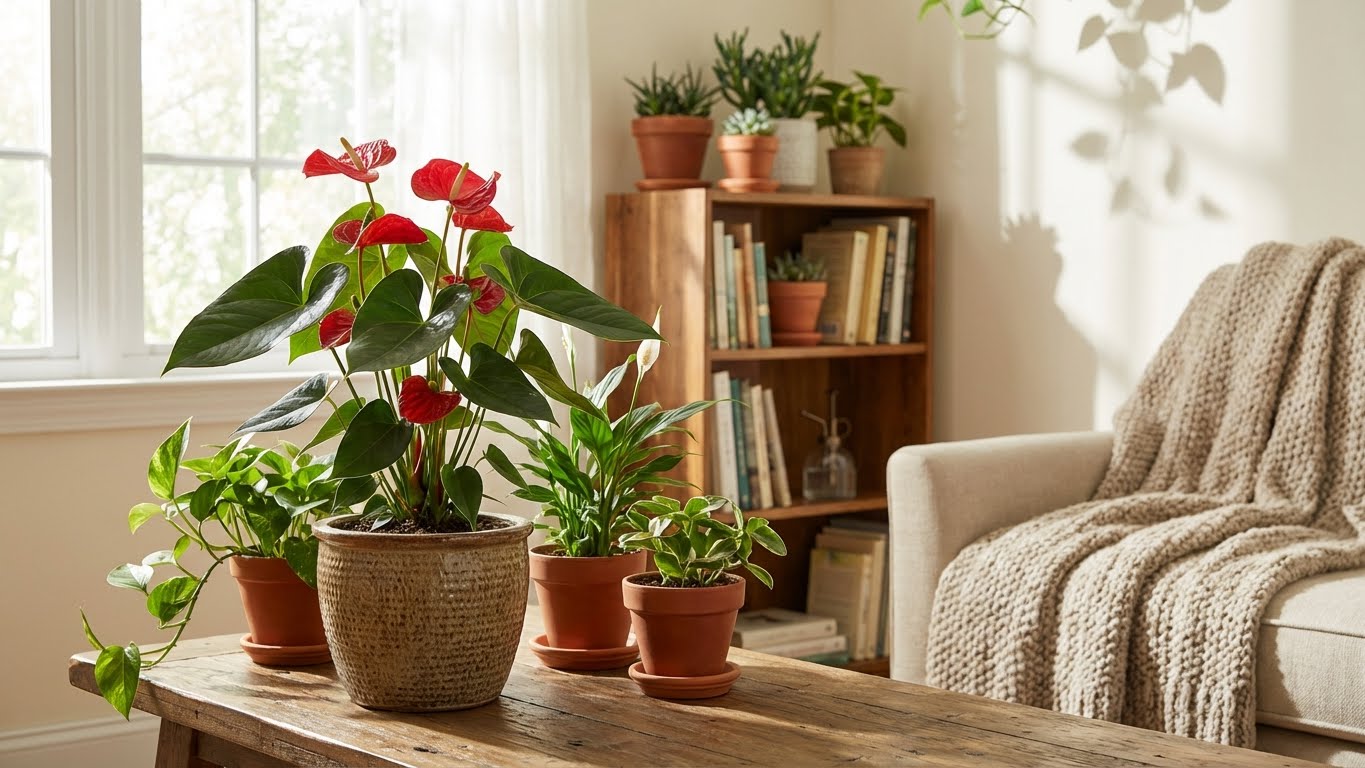
When it comes to caring for your anthurium, being able to spot the signs of underwatering is essential for keeping this vibrant plant healthy. You might notice underwatering symptoms like wilting or, even more noticeably, leaf curling. When the leaves begin to curl inward, it’s your anthurium’s way of telling you it’s thirsty. Another sign to watch for is a dry, crumbly potting mix that pulls away from the edges of the pot. If you catch these symptoms early, you can bring your anthurium back to life with a good soak. Remember, it’s all about balance; your stunning plant thrives on just the right amount of water. So, keep an eye on it, and it will reward you with beautiful blooms. Additionally, maintaining high humidity is crucial for your anthurium’s overall health and can help prevent symptoms of underwatering.
Identifying Symptoms of Overwatering
When it comes to overwatering your anthurium, there are some key symptoms to watch out for. You’ll likely notice leaf discoloration patterns, which can range from yellowing to browning at the edges, signaling distress. Additionally, keep an eye on the roots; if they look mushy or black, that’s a clear indicator of root rot that needs your attention.
Leaf Discoloration Patterns
Leaf discoloration can be a clear signal that your anthurium is suffering from overwatering, and recognizing these patterns makes a big difference in how you care for your plant. If you notice yellowing leaves, it often indicates too much moisture, disrupting the balance your plant craves. The vibrant green leaf color may fade, and you might even spot dark spots, a sign of distress. Pay attention to the tips too; browning could mean you’re drowning your anthurium. By observing these symptoms, you can adjust your watering routine and restore that perfect moisture balance. Keep your plant happy, and you’ll see those beautiful leaves thriving again! Remember, a little attention goes a long way in nurturing your anthurium.
Root Rot Indicators
As you take a closer look at your anthurium, keep an eye out for root rot indicators, which can reveal if your plant is suffering from overwatering. One major sign is a foul smell coming from the soil; if you notice this, there’s a good chance your roots are in trouble. Additionally, check for brown, mushy roots when you gently pull the plant from its pot. Healthy roots should be firm and white. If your anthurium seems droopy or wilting despite adequate moisture balance, it might be a signal that root health is compromised. Remember, maintaining the right moisture balance is essential, so observe your plant closely to keep it thriving and happy!
Understanding Leaf Changes
Understanding what’s happening with your anthurium’s leaves is key to keeping your plant healthy and vibrant. Pay close attention to the leaf texture; if they’re crispy or browning, your plant might be too dry. On the other hand, yellowing leaves often signal overwatering, which can compromise stem health. Healthy leaves should be firm, glossy, and deep green, indicating that your anthurium is thriving. If the leaves are drooping or limp, it’s a sign that something’s off—either too little or too much water. By observing these changes, you can better care for your anthurium, ensuring it stays lush and beautiful. Remember, a happy plant shows it through its vibrant leaves, so keep a watchful eye!
Assessing Soil Moisture Levels
To keep your anthurium healthy, you’ll need to check the soil moisture regularly. Look for visual signs of stress in the leaves, like drooping or browning, which can tell you if the plant is thirsty or drowning. Additionally, testing the drainage conditions can help guarantee that the roots are getting just the right amount of water they need to thrive.
Check Soil Moisture
Checking soil moisture is an essential step in keeping your Anthurium healthy and thriving. The right soil texture plays a huge role in moisture retention, so it’s important to find that sweet spot. Here’s how you can check the moisture level effectively:
- Stick your finger about an inch into the soil.
- If it feels dry, it’s time to water.
- If it’s damp, hold off on watering for now.
- Use a moisture meter for a more accurate reading.
- Observe how quickly the soil dries out after watering.
Visual Signs of Stress
Visual signs of stress can provide quick clues about your Anthurium’s water needs, so keep your eyes peeled for any changes in its appearance. Pay attention to your anthurium leaf shapes; if they start curling or becoming crispy at the edges, it might be too dry. On the other hand, yellowing leaves can signal overwatering, indicating poor moisture retention. Also, look for drooping leaves; they often hint that your plant is struggling with hydration. Regularly checking these visual cues helps you understand your plant’s needs better, ensuring it thrives. Remember, a happy anthurium shows vibrant, healthy leaves, so nurture it well to keep those stunning blooms coming!
Test Drainage Conditions
When you want to guarantee your Anthurium is getting just the right amount of water, testing the drainage conditions is a key step. You’ll want to make sure that your pot provides effective drainage solutions to avoid both dryness and overwatering. Here’s how to assess the moisture retention in your soil:
💡 If you’re noticing unusual changes in your Anthurium leaves, it’s essential to understand the underlying issues.
➜ Discover proven techniques
- Check if water drains quickly after watering.
- Feel the soil an inch down to see if it’s damp or dry.
- Observe if water pools at the bottom of the pot.
- Look for signs of root rot, like mushy roots or a foul smell.
- Consider repotting with better-draining soil if necessary.
The Role of Humidity in Plant Health
Humidity plays an essential role in keeping your plants healthy, especially for tropical varieties like the anthurium. These beauties thrive in high humidity levels, which help maintain their moisture balance. When the air is too dry, your anthurium might show signs of stress, like droopy leaves or brown tips. On the flip side, if the humidity is just right, your plant will flourish, showcasing its vibrant colors and strong growth. To create the ideal environment, consider using a humidifier or placing a tray of water near your plant. Regularly misting your anthurium can also boost humidity, ensuring it stays happy and healthy. Remember, striking the right balance is key to nurturing your lovely anthurium!
💡 Repotting can significantly impact your plant’s health, especially if it’s struggling with watering.
➜ Get the step-by-step guide
Checking Root Condition
To guarantee your anthurium is thriving, checking the condition of its roots is essential. A thorough root inspection can reveal whether your plant’s roots are healthy or in distress. Healthy roots should be white or light tan and firm to the touch. Here’s what to look for:
- Color: White or light tan indicates health.
- Texture: Firm roots are a good sign; mushy roots suggest overwatering.
- Smell: A foul odor signals rot.
- Growth: Roots should fill the pot without being tightly packed.
- Presence of Pests: Check for any unwanted guests like root aphids.
Importance of Drainage
After checking the condition of your anthurium’s roots, the significance of proper drainage becomes clear. Good drainage is vital for your plant’s health, as it helps prevent root rot and allows for proper airflow. Without it, you’re risking your beloved anthurium. Here are some drainage solutions to take into account:
Solution | Benefit | Considerations |
|---|---|---|
Pot with holes | Prevents water buildup | Confirm it’s the right size |
Well-draining soil | Promotes aeration | Mix with perlite or sand |
Drainage tray | Catches excess water | Empty regularly |
Adjusting Watering Habits
When you’re caring for your anthurium, adjusting your watering habits is crucial to keeping it healthy and vibrant. Finding the right balance in watering frequency can make a big difference. Here are some tips to help you monitor moisture levels effectively:
- Check the top inch of soil; if it’s dry, it’s time to water.
- Water thoroughly but guarantee excess drains out.
- Adjust your schedule based on temperature and humidity changes.
- Observe your plant’s leaves; they’ll tell you if something’s off.
- Use a moisture meter for more precise readings.
Tips for Maintaining Optimal Moisture
Maintaining the right moisture level for your anthurium is essential, especially since these beautiful plants thrive in a well-balanced environment. To achieve that perfect moisture balance, start by establishing a consistent watering schedule. Water your anthurium when the top inch of soil feels dry to the touch, but don’t let it sit in soggy soil. Remember, a little routine can go a long way!
You might want to use a moisture meter to take the guesswork out of it. Additionally, consider placing a humidity tray under your pot or misting your plant occasionally to enhance moisture around it. By keeping a close eye on your watering habits, you’ll nurture a happy, healthy anthurium that flourishes beautifully!
When to Seek Professional Help
If your anthurium is showing signs of distress, like drooping leaves or brown tips, it might be time to contemplate getting some expert help. You might not be able to fix every issue on your own, especially if the plant’s health is rapidly declining. Consulting a professional can offer you tailored care recommendations that can bring your beloved plant back to life!
Signs of Distress
Recognizing the signs of distress in your anthurium can be important for its health, especially since these vibrant plants can be a bit sensitive. When your plant isn’t thriving, it’s essential to pay attention. Here are some signs that indicate your plant might need professional help:
- Leaves turning yellow or brown
- Wilting despite proper watering
- Stunted growth or no new leaves
- Foul smell from the soil
- Mold or mildew on the leaves
These symptoms can signal imbalances in moisture, making proper anthurium care critical. If you notice these distress signals, don’t hesitate to reach out for help. Ensuring your plant has the right moisture balance can make all the difference in restoring its health and vibrancy!
Expert Care Recommendations
Taking care of your anthurium can be a rewarding experience, but sometimes you might find yourself in a tricky situation where your plant isn’t responding as it should. If you’ve tried adjusting your watering routine and your plant still looks sad, it might be time to seek professional help. Consider consulting an expert on fertilizer application or pruning techniques to rejuvenate your anthurium. They can provide tailored advice, ensuring your plant gets the nutrients it needs and that any dead or overgrown leaves are properly managed. Trust your instincts—if something feels off, don’t hesitate to reach out for guidance. After all, a healthy anthurium brings joy, and you deserve to enjoy every moment of caring for it!
Conclusion
In summary, keeping your anthurium happy is like maintaining a delicate balance on a tightrope! By recognizing the signs of underwatering and overwatering, you can guarantee your plant thrives, not just survives. Remember to check soil moisture, provide proper drainage, and adjust your watering habits like a plant whisperer. With a little care, your anthurium can flourish, showing off vibrant blooms instead of droopy leaves. If it’s still struggling, don’t hesitate to consult a plant expert!
💡 Choosing the right pot can significantly influence your Anthurium’s watering needs and overall health.
➜ Master this approach


