
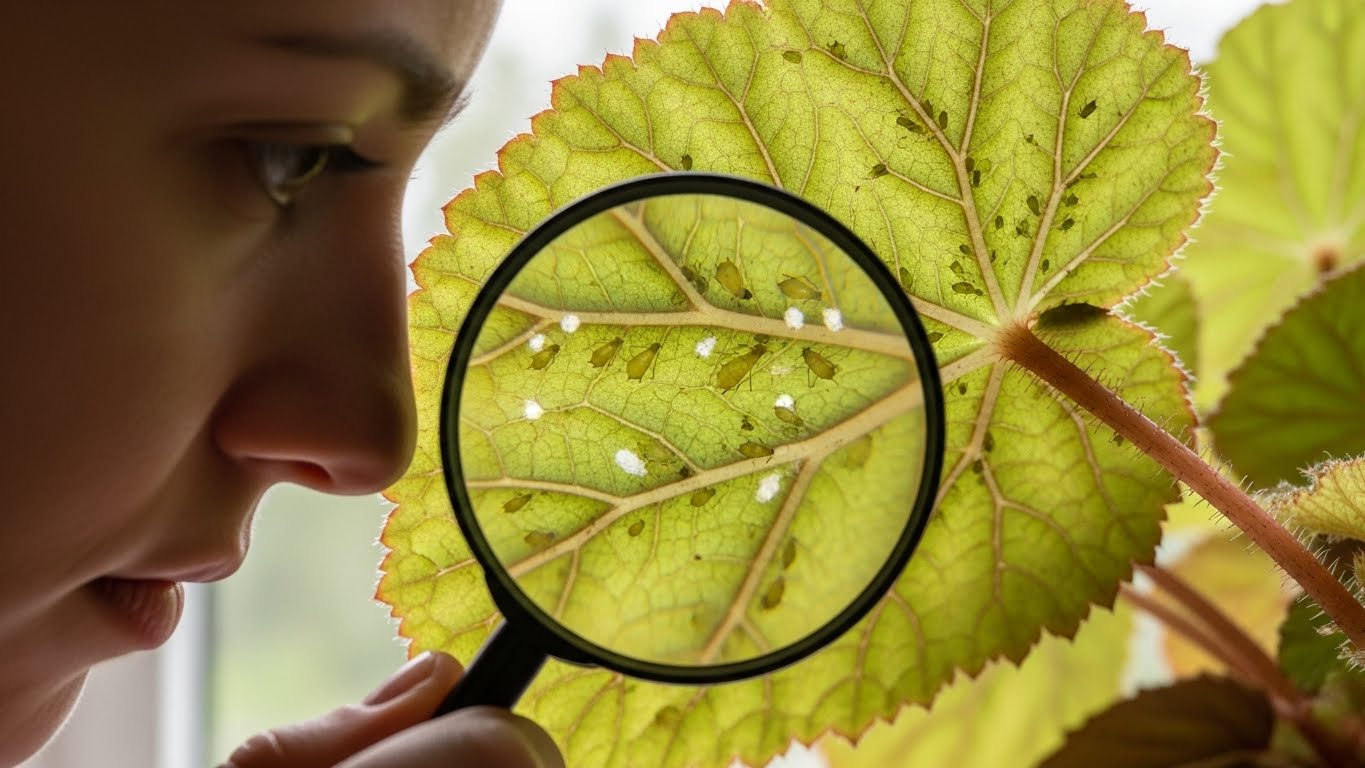
To keep your indoor begonias healthy and pest-free, watch out for spider mites and fungus gnats. Spider mites cause tiny yellow spots and may spin webs on your plants, while gnats love damp soil and can wilt your leaves. To prevent these pests, keep your plants well-watered but not soggy and maintain humidity levels between 40-60%. You can use neem oil or insecticidal soap for treatment. Curious about more tips and tricks? Keep going to learn how to protect your begonias!
Key Takeaways
💡 Avoid common pitfalls that could harm your begonias.
➜ Discover proven techniques
- Regularly inspect the undersides of leaves for spider mites and apply miticides immediately upon detection.
- Maintain proper humidity levels and avoid overwatering to prevent fungus gnats from thriving.
- Use neem oil or insecticidal soap as effective chemical solutions for both spider mites and fungus gnats.
- Introduce beneficial insects or set up sticky traps to control pest populations naturally.
- Ensure proper drainage and provide bright, indirect sunlight to promote healthy begonias and deter infestations.
Understanding Spider Mites: Identification and Symptoms

Spider mites, those tiny troublemakers, can wreak havoc on your beloved indoor begonias if you’re not careful. Understanding the spider mite lifecycle is essential for preventing mite damage. These pests go through several stages: egg, larva, nymph, and adult. They start as tiny eggs, often laid on the undersides of leaves, then hatch into larvae, which begin feeding on your plant. As they grow, they multiply quickly, creating a significant infestation in no time. You might notice tiny yellow or white specks on the leaves, a sign of their feeding. If you see fine webbing, that’s another indicator. Catching them early can save your begonias from serious damage, so keep a close eye on your plants and act quickly if needed! Maintaining optimal humidity levels can also help prevent spider mite infestations, as these pests thrive in dry conditions.
Understanding Fungus Gnats: Identification and Symptoms
When you notice small, flying insects dancing around your indoor begonias, you might be dealing with fungus gnats, those pesky little bugs that can cause big problems for your plants. These tiny pests are often mistaken for fruit flies, and they thrive in damp soil. Understanding the fungus gnat lifecycle is key; they lay eggs in the top layer of your potting mix, leading to larvae that feed on plant roots. Infestation signs include wilting leaves, yellowing foliage, and a feeling of dampness in the soil. If you spot these symptoms, don’t ignore them! Tackling them early can save your beloved begonias from serious damage, so keep an eye out and act fast. Your plants will thank you!
Prevention Strategies for Spider Mites
To keep your indoor begonias safe from spider mites, it’s essential to adopt a few smart prevention strategies. First, regularly inspect your plants, focusing on the undersides of leaves where these pests love to hide. Understanding the spider mite lifecycle helps you catch them early. You’ll want to maintain proper humidity levels, since spider mites thrive in dry conditions. Consider using effective miticides if you spot any, as they can help break the lifecycle before it escalates. Clean your begonias with a gentle spray of water to dislodge any lurking mites. Finally, keep your plants away from infested areas or other plants, ensuring they have a healthy, happy home. Your begonias will thank you!
Prevention Strategies for Fungus Gnats
To keep fungus gnats away from your begonias, it’s important to implement a few smart strategies. You’ll want to focus on proper watering techniques, choose the right soil, and control your plant’s environment effectively. By doing these things, you can create a less inviting space for these pesky pests, helping your begonias thrive!
Proper Watering Techniques
How can you keep your indoor begonias healthy and fungus gnat-free? One of the best ways is by mastering proper watering techniques. Start by understanding your watering frequency; this means letting the top inch of soil dry out before you water again. Consistently checking moisture levels is key to avoiding overwatering, which can create a perfect home for those pesky gnats. Aim for a balance—your begonias need enough water to thrive, but not so much that they’re sitting in soggy soil. Remember, when you water, do it thoroughly, allowing excess to drain out. This way, you’ll keep your begonias happy and reduce the risk of fungus gnats buzzing around. Happy watering!
Soil Selection Tips
Selecting the right soil for your indoor begonias can make a significant difference in keeping those annoying fungus gnats at bay. A well-balanced soil composition promotes healthy roots and effective pot drainage, which prevents water from pooling and creating a breeding ground for these pests.
Here’s a quick guide to help you choose the best soil:
Soil Type | Benefits | Pot Drainage |
|---|---|---|
Peat-based Mix | Retains moisture, lightweight | Good, but watch for overwatering |
Perlite Blend | Improves aeration, drains well | Excellent, keeps soil loose |
Coconut Coir | Retains moisture, eco-friendly | Moderate, balances moisture |
Environmental Control Measures
While keeping your indoor begonias healthy and thriving, you’ll want to implement some environmental control measures to prevent those pesky fungus gnats from making themselves at home. Here are three strategies to help you out:
- Humidity Control: Keep humidity levels around 40-60%. Too much moisture attracts gnats, so consider using a dehumidifier if your space is too damp.
- Temperature Regulation: Maintain a steady temperature between 65-75°F. Fluctuations can stress your plants, making them more susceptible to pests.
- Watering Practices: Allow the top inch of soil to dry out before watering again. This simple habit can greatly reduce the chances of fungus gnats laying their eggs in your potting mix.
Natural Remedies for Spider Mites
When it comes to battling spider mites on your indoor begonias, you’ll find that natural remedies can be both effective and easy to use. One great approach is to introduce beneficial insects like ladybugs or predatory mites, which feast on spider mites and help keep their population in check. You can also mix a few drops of essential oils, such as neem or peppermint, with water in a spray bottle. This mixture not only deters spider mites but can also promote a healthy plant environment. Just remember to spray your begonias in the early morning or late afternoon to avoid leaf burn. With these natural remedies, you’ll be on your way to healthier, happier begonias in no time!
Natural Remedies for Fungus Gnats
💡 Learn how to prevent and treat leaf spot disease, which can be exacerbated by pests.
➜ Get the step-by-step guide
Fungus gnats can be pesky little critters, but don’t worry—there are natural remedies you can try! Using neem oil, setting up sticky traps, and letting the soil dry out between waterings can help keep these pests at bay. Let’s explore how each of these methods works to protect your beautiful begonias!
Neem Oil Application
💡 Humidity plays a crucial role in preventing pest infestations.
➜ Master this approach
Neem oil is a fantastic natural remedy that can help you tackle pesky fungus gnats in your indoor begonias. Its neem oil benefits include acting as a natural insect repellent and promoting healthier soil. Here’s how to make your neem oil application effective:
- Mix the Solution: Combine 2 tablespoons of neem oil with a quart of water and a few drops of mild soap.
- Spray the Affected Areas: Use a spray bottle to apply the mixture directly to the soil and the leaves of your begonias, ensuring you cover all surfaces.
- Repeat Weekly: For the best results, apply this treatment weekly until the fungus gnats are under control.
Embrace this eco-friendly approach and watch your begonias thrive!
Sticky Traps Use
Sticky traps are another effective way to manage those annoying gnats that seem to multiply overnight. These bright yellow sticky pads attract adult fungus gnats, trapping them as they fly by. For best trap effectiveness, place them near your begonias, where you’ve noticed the most activity. You’ll be amazed at how quickly they catch those pesky pests!
Plus, they help with pest monitoring, giving you a clear visual of the gnat population in your home. Keep an eye on your traps, and replace them when they’re full. Over time, you’ll notice a decline in those little nuisances, making your indoor garden a much happier place. Your begonias will thank you for it!
Soil Drying Techniques
When dealing with pesky gnats, one of the simplest and most effective strategies is to dry out the soil of your begonias. By reducing moisture retention, you can create an environment that discourages these unwanted visitors. Here are three helpful techniques:
- Water Sparingly: Allow the top inch of soil to dry out before watering again. This helps maintain pot drainage and keeps the gnats at bay.
- Use a Fan: Placing a small fan near your plants increases airflow, speeding up the drying process and making it less inviting for gnats.
- Repot with Care: When repotting, choose a well-draining mix that reduces moisture retention and promotes healthy roots.
Implementing these techniques can greatly reduce your gnat problem, keeping your begonias happy and healthy!
Chemical Solutions for Spider Mites
Chemical solutions can be a powerful ally in the battle against spider mites, especially when infestations start to threaten your beautiful indoor begonias. Luckily, you’ve got several pesticide options to take into account. Here’s a handy table to help you choose the right one:
Pesticide Option | Application Method |
|---|---|
Neem Oil | Spray on affected leaves |
Insecticidal Soap | Directly onto pests |
Miticides | Follow label instructions |
When using these solutions, verify you cover both the tops and undersides of leaves, as spider mites love to hide there. Remember to apply early in the morning or late in the evening for the best results. With a little care, your begonias will thrive again!
Chemical Solutions for Fungus Gnats
Fungus gnats can be a pesky problem for your indoor begonias, but you don’t have to let these tiny invaders ruin your plants! Luckily, there are effective chemical solutions you can use. Here are three options to evaluate:
- Organic pesticides: These are great because they target only the pests without harming your beloved begonias.
- Insecticidal soaps: They work by suffocating the gnats and are safe for indoor use, ensuring your home stays healthy.
- Diatomaceous earth: Sprinkle this around the soil. It’s a natural way to dehydrate and kill those pesky larvae.
Maintaining Healthy Indoor Begonias to Prevent Infestations
To keep your indoor begonias thriving and minimize the risk of pest infestations, it’s essential to adopt a proactive approach to their care. Start by ensuring your plants receive the right amount of light. Begonias love bright, indirect sunlight, so place them near windows where they can soak it up without getting scorched. Next, pay attention to their fertilizer balance. Use a balanced liquid fertilizer every few weeks during the growing season to provide the nutrients they crave. Additionally, avoid overwatering—moist soil is a breeding ground for pests like fungus gnats. By staying vigilant and attentive to these needs, you’ll help your begonias flourish and create an environment less inviting to unwanted critters. Enjoy your gardening journey!
Conclusion
To summarize, keeping your indoor begonias healthy is like being a knight defending a castle from invaders—those pesky spider mites and fungus gnats! By understanding their signs, using prevention strategies, and applying natural or chemical solutions when necessary, you can guarantee your plants thrive. Remember, a little care goes a long way in keeping your begonias beautiful and vibrant, so don’t let those pests take over your indoor garden! Stay proactive and enjoy your blooming success!
💡 Proper fertilization can enhance your begonias’ resilience against pests.
➜ Explore advanced methods


