
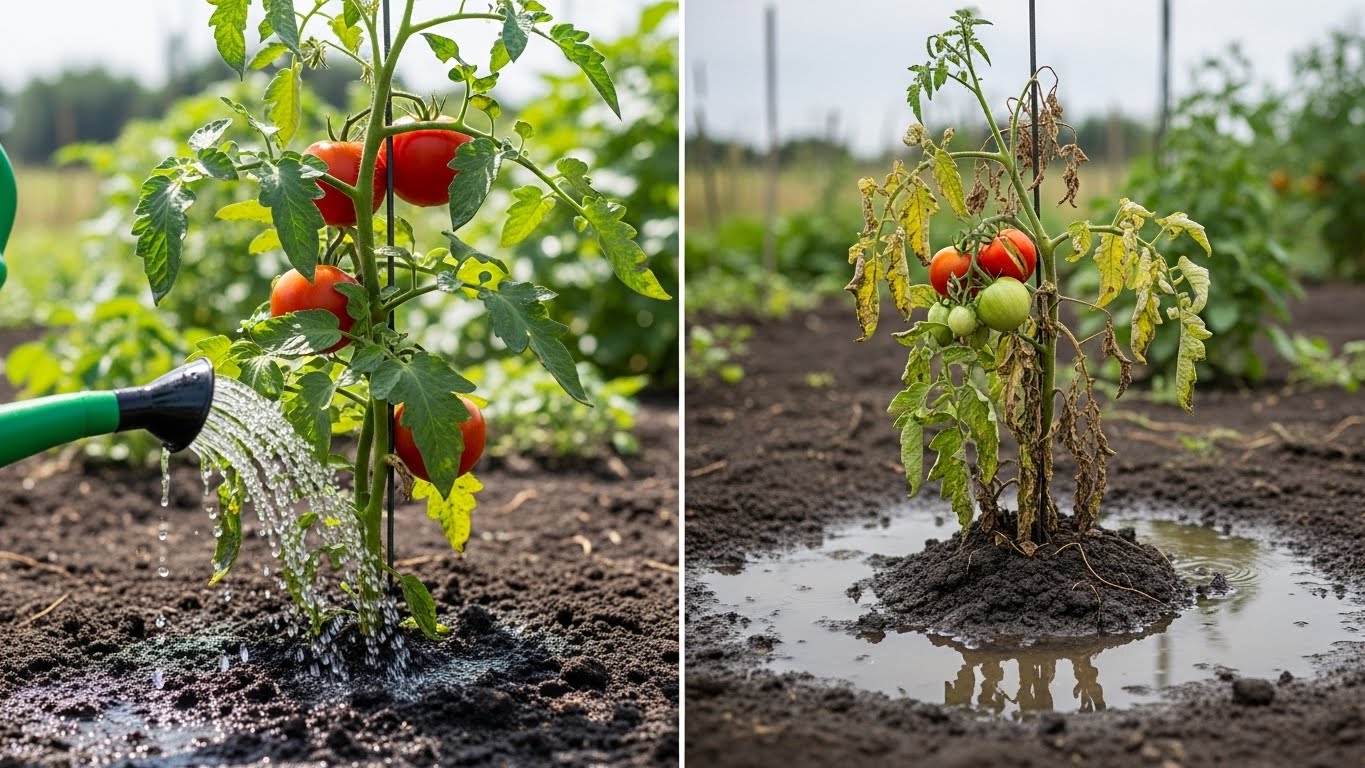
Understanding pots and soil is essential for your plants’ health. First, choose the right pot size; it should be wider and deeper than your plant’s root ball. Second, guarantee proper drainage with holes and a well-draining mix to prevent root rot. Third, explore different pot materials like ceramic for moisture retention or terracotta for breathability. Finally, mix ingredients like peat moss and perlite for ideal growing conditions. Stick around to discover tips for maintaining soil and knowing when to repot!
Key Takeaways
- Select pots that match the plant size, allowing for ample root space and proper drainage to prevent root rot.
- Use well-draining potting mixes, incorporating materials like perlite or gravel to enhance drainage and moisture balance.
- Choose pot material wisely; ceramic retains moisture, while terracotta offers excellent drainage for different plant needs.
- Monitor for signs of poor drainage, such as wilting or soggy soil, and repot every 1-2 years when necessary.
- Customize potting mixes based on plant types; for example, cacti require sandy soil, while ferns thrive in peat and compost.
Understanding Pot Sizes
When it comes to choosing the right pot size for your plants, understanding the basics can make all the difference in their growth and health.
Start by checking pot dimensions; they should match the size guidelines for your plant type. A good rule of thumb is to select a pot that allows for adequate root space—roots need room to spread out!
Choosing the right pot size is crucial; ensure it provides ample room for roots to thrive and spread!
Pot depth is also essential; deeper pots can support plants with longer roots. Consider soil volume, as more soil means better moisture retention and nutrients. You want your container weight to be manageable, too, especially when it’s full of soil and plants.
Always think about plant compatibility—some plants thrive in smaller pots, while others need more room to grow. Keeping these factors in mind will help you set realistic growth expectations, ensuring your plants flourish in their new homes.
Happy planting!
The Importance of Drainage
Proper drainage is essential for your plants’ health, as it prevents excess water from accumulating in the pot. When water sits too long, it can suffocate roots and lead to root rot. You wouldn’t want that for your green friends, right?
Understanding effective drainage techniques can make all the difference.
To promote proper drainage, consider using pots with drainage holes, and choose the right soil mix that balances water retention and aeration. A well-draining potting mix helps keep roots safe while still providing enough moisture for your plants to thrive.
You might also add materials like perlite or gravel at the bottom of your pots to enhance drainage.
Remember, it’s all about finding that sweet spot between retaining enough water and preventing waterlogged roots.
Types of Pots: Materials and Benefits
Choosing the right pot can feel like a big deal for your plants, and that’s because it really is! Different materials have unique benefits that can make a huge difference in how well your plants thrive. Here’s a quick comparison of some popular pot types:
Pot Type | Benefits |
|---|---|
Ceramic Pots | Attractive, retains moisture |
Plastic Containers | Lightweight, affordable |
Biodegradable Options | Eco-friendly, compostable |
Metal Planters | Durable, modern look |
Terracotta Pots | Great drainage, breathable |
Fabric Pots | Excellent aeration, easy to handle |
Choosing the Right Pot for Your Plant
Choosing the right pot for your plant can make a big difference in its growth and health.
You’ll want to contemplate the pot’s material, as some hold moisture better than others, and think about the dimensions, too, because your plant needs room to grow.
Let’s explore how these factors can help you create the perfect home for your green friend!
Pot Material Considerations
When you’re getting ready to pot a new plant, remember that the material of the pot can make a big difference in how well your plant thrives.
Ceramic pots are lovely and retain moisture well, but they can be heavy.
Plastic pots are lightweight and come in various colors, perfect for any décor.
If you’re looking for something sleek, metal pots offer a modern touch, but watch out for heat!
Terracotta pots are breathable and great for plants that prefer drier soil.
For eco-friendliness, biodegradable pots break down over time.
Finally, glass pots provide a stunning view of the roots, but be cautious with drainage.
Each material has its perks, so choose wisely for your plant’s happiness!
Ideal Pot Dimensions
Getting the right pot dimensions for your plant is just as essential as selecting the right material, since a pot that’s too small can stunt growth while a pot that’s too big may lead to overwatering.
When choosing a pot, consider both pot depth and pot width to guarantee your plant thrives. Here’s a handy guide to help you:
- Pot Depth: Should accommodate root growth; typically, 1-2 inches deeper than the root ball.
- Pot Width: Allows for lateral root expansion; aim for at least 1-2 inches wider than the root ball.
- Plant Type: Different plants have varying space needs; research specific requirements for your plant.
- Drainage: Ensure your pot has adequate drainage holes to prevent waterlogging.
With these tips, you’re on your way to a happy, healthy plant!
Essential Elements of Potting Mix
When it comes to potting mix, understanding the essential elements is vital for your plants’ success.
You’ll want to know about key ingredients that provide nutrients and the importance of aeration to keep the roots healthy.
Let’s explore what makes a great potting mix and how it can help your plants thrive!
Key Ingredients Explained
To create a thriving potting mix, understanding its key ingredients is crucial, as they each play a significant role in providing the right environment for your plants.
A well-balanced soil composition helps to guarantee your plants receive the nutrients they need. Here are four key ingredients to keep in mind for ideal nutrient balance:
- Peat Moss: Retains moisture while allowing air circulation.
- Perlite or Vermiculite: Improves drainage and aeration, preventing root rot.
- Compost: Enriches the mix with essential nutrients and beneficial microorganisms.
- Coconut Coir: Acts as a natural alternative to peat, offering water retention and structure.
Importance of Aeration
Aeration plays an essential role in the health and growth of your plants by ensuring that they get the oxygen they need to thrive.
Good aeration promotes plant respiration, allowing roots to breathe and grow strong. When soil compaction occurs, air pockets disappear, which can hinder root development and moisture retention.
You want to maintain a balance where air exchange enhances nutrient availability and boosts microbial activity, creating a lively ecosystem in your potting mix.
Healthy microbial activity helps break down nutrients for your plants, supporting vigorous plant growth.
Homemade vs. Store-Bought Soil Mixes
Choosing between homemade and store-bought soil mixes can feel like a tough decision, but each option has its own perks that can suit different gardening needs.
Homemade mixes let you control ingredients, ensuring ideal nutrient levels and pH balancing, while store-bought options offer convenience and consistency.
Here’s a quick look at the benefits of each:
- Homemade benefits: You can customize your mix to suit specific plants.
- Store-bought convenience: Saves time and often guarantees good texture differences.
- Mixing techniques: Experimenting can help you discover the perfect blend.
- Cost comparison: Homemade can be cheaper, but consider ingredient sourcing.
Ultimately, it boils down to your gardening style.
If you love getting your hands dirty and experimenting, homemade might be for you.
But if you prefer a straightforward approach, store-bought mixes can get you growing in no time!
How to Create the Perfect Soil Mix
Creating the perfect soil mix starts with understanding the essential ingredients that make up a healthy environment for your plants.
You’ll want to customize your mix based on the specific needs of the plants you’re growing, ensuring they get just the right balance of nutrients and drainage.
Let’s explore what you’ll need and how to mix it all together for thriving greenery!
Essential Ingredients for Mix
When you want to grow healthy plants, getting the right soil mix is essential, and it all starts with understanding the key ingredients.
You need a blend that guarantees nutrient balance and moisture retention while keeping your plants thriving. Here are the four essential components to take into account:
- Peat Moss: Retains moisture and provides structure.
- Perlite: Improves drainage and aeration, preventing compaction.
- Compost: Adds nutrients and beneficial microorganisms to the mix.
- Coconut Coir: Enhances moisture retention while being eco-friendly.
Customizing for Plant Needs
To create the perfect soil mix tailored for your plants, you’ll need to take into account their specific needs and preferences. Different plants thrive in various soil conditions, so understanding soil compatibility is key. Here’s a quick guide to help you customize your mix:
Plant Type | Soil Mix Components |
|---|---|
Cacti | Sandy soil, perlite |
Ferns | Peat, compost, and vermiculite |
Succulents | Cactus mix, sand, and gravel |
Orchids | Bark, charcoal, and sphagnum moss |
Tropical Plants | Rich compost and loamy soil |
Signs of Poor Drainage and Soil Issues
Have you ever wondered why your plants seem sad and droopy, even after you’ve watered them?
It might be a sign of poor drainage and soil issues. When water can’t escape, you risk drainage problems that lead to soil compaction, root rot, and even fungal growth.
Here are some signs to watch for:
- Plant wilting: Your plants may droop despite adequate watering.
- Moisture retention: Soil stays soggy long after watering, indicating poor drainage.
- Air pockets: You notice spaces in the soil, which disrupt root growth.
- Nutrient deficiency: Yellowing leaves can signal that roots aren’t absorbing nutrients properly.
If you notice these signs, it’s essential to address the issue.
Your plants deserve the best care, and recognizing these problems early on can help you create a happier, healthier environment for them!
Repotting: When and How to Do It
If you’ve spotted signs of poor drainage and soil issues in your plants, repotting might be the perfect solution to give them a fresh start.
It’s essential to know the right repotting frequency: typically, every 1-2 years is ideal, but your plant’s growth can influence this. Look for repotting signs like roots growing out of the drainage holes, stunted growth, or yellowing leaves.
Knowing when to repot is key: every 1-2 years, or when you see roots, stunted growth, or yellowing leaves.
When you’re ready to repot, choose a pot that’s one size larger, and use fresh potting mix that suits your plant’s needs.
Gently remove your plant from its old pot, loosening any tightly bound roots. Place it in the new pot, fill it with soil, and water it well.
Giving your plant this care not only helps it thrive but also strengthens the bond between you and your leafy friend.
Happy repotting!
Tips for Maintaining Healthy Soil
Maintaining healthy soil is essential for your plants to flourish, as it acts like a cozy blanket that keeps their roots happy and nourished.
To achieve this, you need to focus on a few key aspects that promote soil health.
- Monitor soil moisture to avoid overwatering or underwatering.
- Maintain nutrient balance by adding organic matter and compost, which boosts microbial activity.
- Test pH levels regularly to confirm they’re in the ideal range for your plants.
- Apply mulch to improve soil aeration and prevent pest invasions.
Conclusion
In the world of plants, your pot and soil choices are like a cozy home and nourishing meal for your leafy friends. By understanding pot sizes, ensuring proper drainage, and creating the perfect soil mix, you’re setting the stage for a thriving garden. Remember, repotting and maintaining healthy soil are key to keeping your plants happy and vibrant. So, roll up your sleeves and dig into this green adventure—it’s time to let your plants flourish!


