If your succulent’s leaves are yellowing or getting mushy, you might be overwatering it. When there’s too much moisture, roots can rot, causing stress signals like dropping leaves or a foul smell from the soil. To fix it, remove the plant from its pot, trim any rotten roots, and let it dry in a warm spot. Repot with fresh, well-draining soil and water only sparingly. There’s more to discover about keeping your succulent healthy!
Key Takeaways
- Yellowing leaves are a clear sign of overwatering, indicating stress in your succulent.
- Dropping leaves and mushy stems suggest root rot, which needs immediate attention.
- A foul odor from the soil indicates decaying roots and potential root rot issues.
- Trim any mushy or rotten roots and allow the plant to dry out before repotting.
- Use fresh, well-draining soil and water sparingly, ensuring the soil dries completely between waterings.
Understanding Your Succulent’s Water Needs
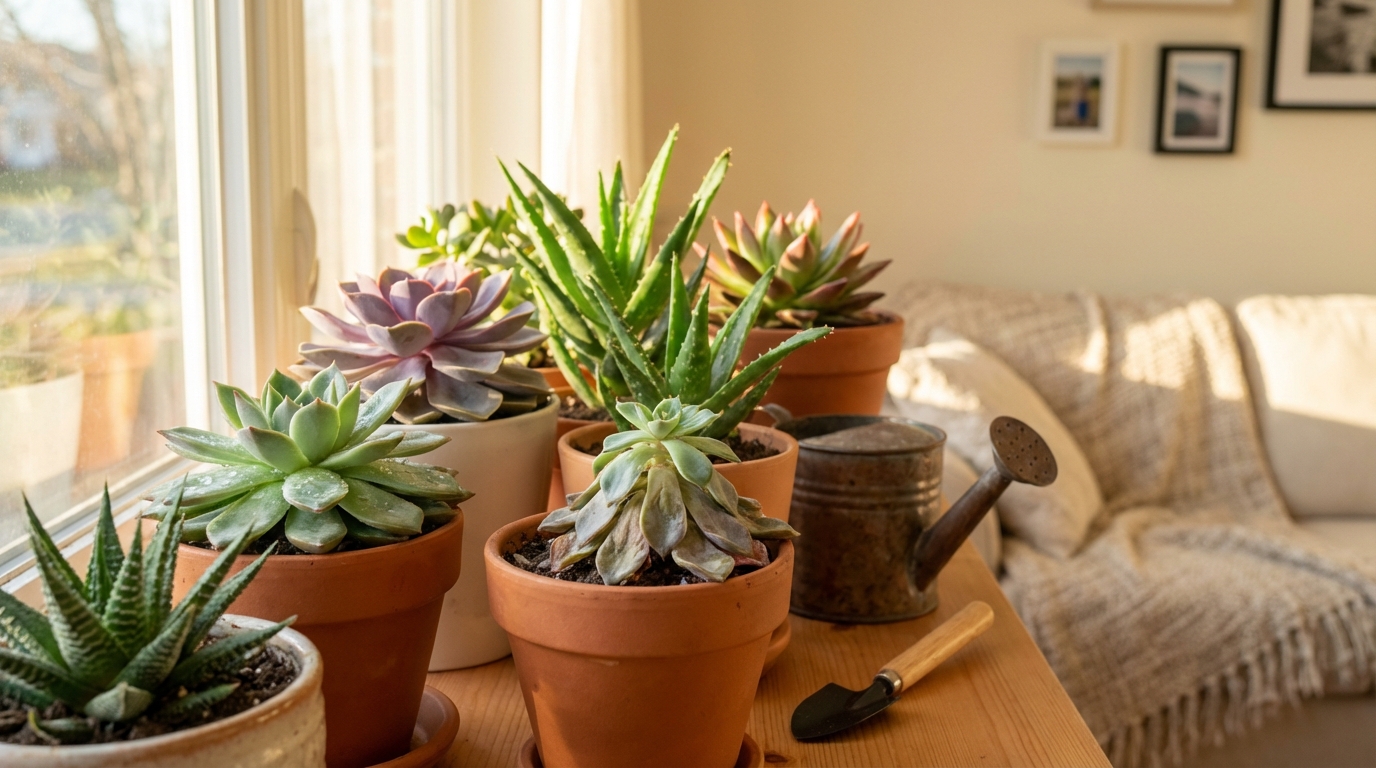
When you think about caring for your succulent, it’s important to remember that these hardy plants don’t need as much water as you might think. Different succulent varieties have unique water needs, so getting to know yours is essential. A good rule of thumb is to water your succulents every two to three weeks, but this can change based on their environment. If your plants are in a sunny spot, they might need more water, while those in lower light require less. Always check the soil; if it’s dry an inch down, it’s time for a drink. By understanding your succulent’s watering frequency, you’ll help them thrive and grow beautifully, keeping them happy and healthy. Additionally, it’s crucial to recognize that overwatering is the most common cause of succulent death, so always monitor their moisture levels closely.
Common Signs of Overwatering
If you notice your succulent’s leaves turning yellow, it might be trying to tell you something important. These yellowing leaves, along with signs of root rot, can indicate that you’ve been a bit too generous with the watering can. Let’s explore these common signs of overwatering and help your plant get back on track!
Yellowing Leaves
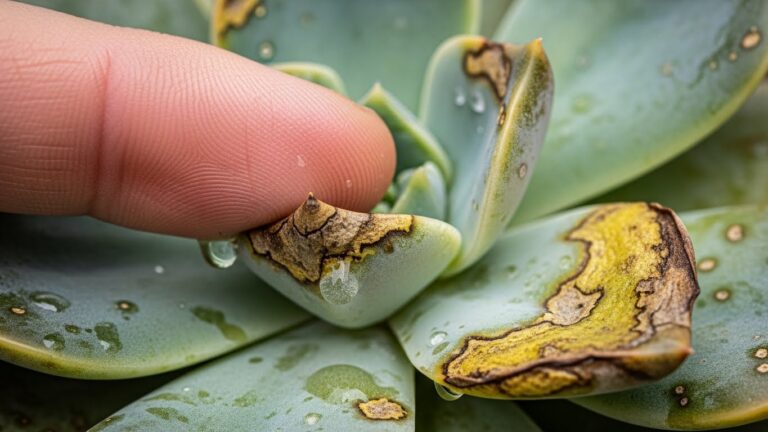
Yellowing leaves on your succulent can be a clear sign that it’s getting too much water, which might come as a surprise since these plants are known for their ability to thrive in dry conditions. When you notice leaf discoloration, it’s your plant’s way of saying, “Help me!” Excess moisture retention can lead to stress, causing those vibrant greens to fade into yellow. This change often starts at the lower leaves, making it easy to overlook if you’re not paying close attention. If you catch it early, you can adjust your watering routine and guarantee your succulent gets the right balance of moisture. Remember, a little love goes a long way in helping your plant recover and thrive again!
Root Rot Symptoms
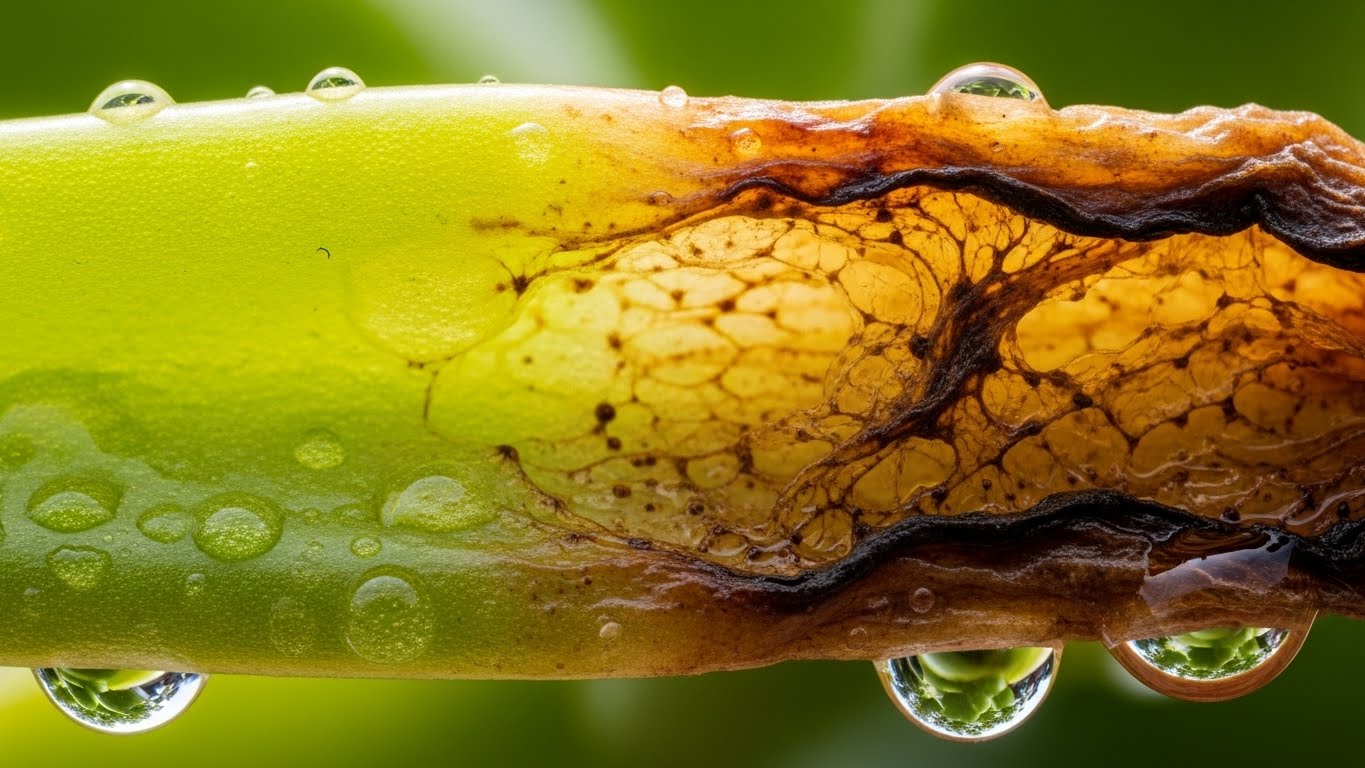
Root rot is a sneaky problem that can develop when succulents are overwatered, and it’s essential to spot its symptoms early to save your plant. Look for signs like yellowing leaves, mushy stems, or a foul smell from the soil. These indicate root deterioration, and recognizing them can be a game-changer!
Symptoms | Description | Treatment Methods |
|---|---|---|
Yellow Leaves | Leaves turn yellow and drop | Reduce watering, repot |
Mushy Stems | Soft, squishy texture | Trim affected areas |
Foul Odor | Unpleasant smell | Change soil, improve drainage |
Act fast! You can revive your succulent with proper care, ensuring it thrives again. Remember, prevention is key, so always check your watering habits!
The Consequences of Overwatering
When you give your succulent too much water, it can lead to some serious consequences that might surprise you. Overwatering can cause water retention in the soil, disrupting the delicate moisture balance your plant needs to thrive. This excess moisture promotes root rot, which can weaken your succulent and make it vulnerable to diseases. You might notice yellowing leaves or even mushy spots, signaling your plant’s distress. Additionally, the roots may start to decay, ultimately preventing your succulent from absorbing nutrients effectively. As a result, you could end up with a sad, wilting plant instead of the vibrant beauty you envisioned. It’s essential to keep an eye on your watering habits to avoid these unfortunate outcomes!
Steps to Rescue an Overwatered Succulent
If you’ve realized that your succulent is suffering from overwatering, don’t worry—there are steps you can take to help it bounce back! Start with these rescue techniques to revive your plant:
- Remove the plant from its pot to check for root rot and trim any mushy roots.
- Let it dry out for a few days in a warm, shady spot—this helps restore its health.
- Repot with fresh soil amendments like cactus mix or perlite to improve drainage.
- Water sparingly afterward, allowing the soil to dry completely between waterings.
Preventing Future Overwatering
To keep your succulent thriving and prevent future overwatering, it’s essential to understand its needs and create the right care routine. Start by choosing the right pot with drainage holes; this is your first line of defense against excess water. Next, use well-draining soil that allows moisture to escape easily. Consider implementing moisture monitoring techniques, like using a moisture meter or checking the soil with your fingers before watering. You’ll soon learn your plant’s watering preferences! Remember, it’s better to underwater than overwater. Keep an eye on weather changes too, as heat can dry out the soil quicker. By combining these drainage solutions with careful observation, you’ll nurture a happy, healthy succulent for years to come!
When to Seek Professional Help
If you notice your succulent’s wilting symptoms sticking around despite your care, it might be time to think about seeking professional help. Signs of root rot, like mushy leaves or a foul smell, are serious indicators that you can’t ignore. When your efforts to revive your plant just aren’t working, don’t hesitate to reach out to a specialist who can provide the expertise your succulent needs!
Persistent Wilting Symptoms
When your succulent starts to show signs of persistent wilting, it’s essential to take a closer look at what might be going wrong. Persistent drooping can indicate that your plant is struggling with moisture retention, which can lead to serious issues. If you notice these symptoms, it’s time to act:
- Leaves feel mushy or slimy
- Color changes to yellow or brown
- Soil remains soggy for too long
- Roots appear dark or rotting
If you see these signs and can’t get your succulent back to health, don’t hesitate to seek professional help. A knowledgeable expert can provide guidance tailored to your specific situation, ensuring your beloved plant gets the care it needs to thrive once more.
Root Rot Indicators
Root rot is a sneaky problem that can really affect your succulent’s health, and recognizing its indicators is essential for saving your plant. If you notice dark, mushy roots during a root inspection, it’s a clear sign something’s wrong. You might also see yellowing leaves or a foul smell coming from the soil. These are red flags that should prompt you to act quickly. Consider implementing drainage solutions like repotting with fresh soil and using a pot with proper drainage holes. If you’re unsure about the condition of your plant or how to proceed, don’t hesitate to seek professional help. Remember, early detection is key to rescuing your beloved succulent and getting it back to thriving!
Unresponsive to Treatment
Sometimes, despite your best efforts, your succulent may not respond to treatment, leaving you wondering what to do next. If you notice your plant remains unresponsive, it might be time to seek professional help. Here are some signs indicating you should consult an expert:
- You’ve tried various treatment options, but nothing works.
- The leaves continue to wilt or turn brown.
- The roots smell foul or appear mushy despite your care.
- You feel overwhelmed and uncertain about the next steps.
Conclusion
In the world of succulents, a little water goes a long way! By keeping an eye out for those telltale signs of overwatering, you can help your plant thrive rather than just survive. Remember, it’s all about finding that perfect balance. With a few simple steps, you can rescue your leafy friend and enjoy its beauty for years to come. So, take a deep breath, and let’s keep those succulents happy and healthy!