
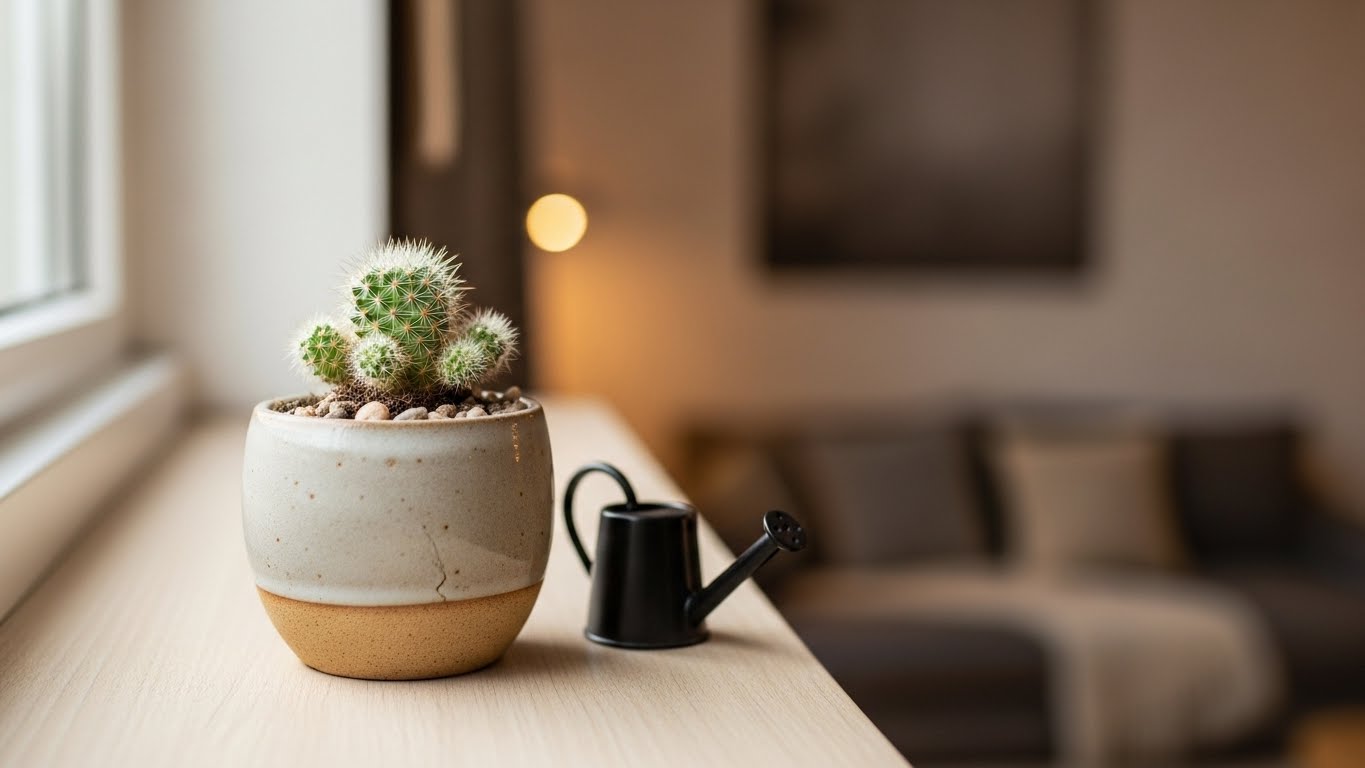
Water your mini cactus based on the seasons! In spring, go for every two weeks as it starts to grow. During hot summer months, water it weekly. As fall cools down, water every three weeks, and in winter, reduce it to just once a month. Always check the soil first; if it’s dry, then it’s time to water. Proper watering keeps your cactus happy and healthy, and there’s more to learn about its care!
Key Takeaways
💡 Understanding the nutritional needs of your mthis cactus is essential for its growth.
➜ Discover proven techniques
- Water mini cacti every 2 weeks in spring, as they begin to grow with warmer temperatures.
- In summer, increase watering to weekly due to higher heat and moisture needs.
- During fall, reduce watering to every 3 weeks as temperatures cool and growth slows.
- In winter, water only once a month while the cactus is dormant and requires minimal moisture.
- Always check the soil moisture first; water only when the soil is completely dry.
Understanding Your Mini Cactus’s Needs
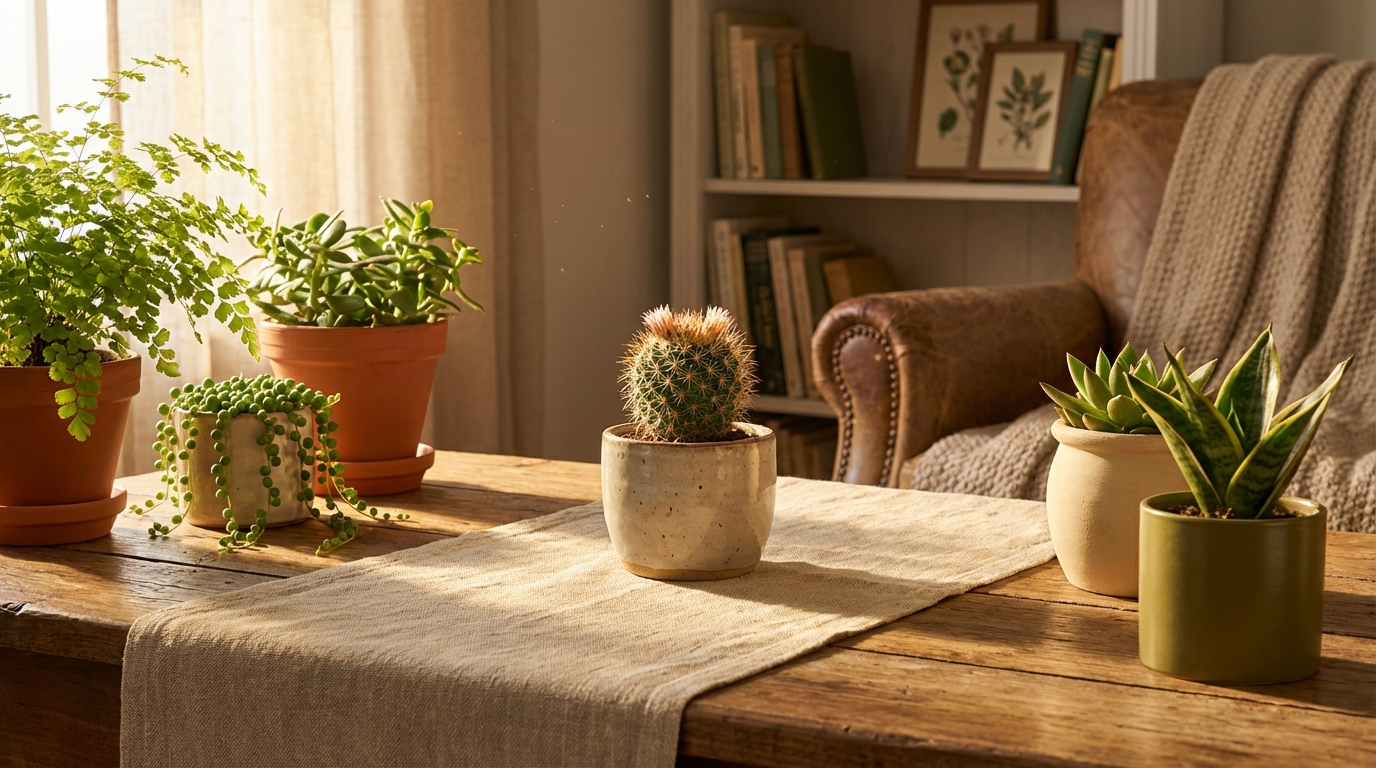
When you think about caring for a mini cactus, it’s important to remember that these little plants have unique needs that differ from other houseplants. To promote healthy cactus growth, you’ll want to make sure they get enough light. Mini cacti thrive in bright, indirect sunlight, so placing them near a window is ideal. Just be careful—too much direct sun can scorch their delicate skin. Aim for about six hours of light daily, and watch how they respond! You might notice them perking up and growing more vibrant. Understanding these light requirements is key to keeping your little friend happy and healthy. With the right light, you’ll create the perfect environment for your mini cactus to flourish! Additionally, be mindful of cactus light requirements, as insufficient light can lead to etiolation.
Factors Influencing Watering Frequency
Several factors can influence how often you need to water your mini cactus, making it essential to pay attention to its specific environment. Here are four key elements to examine:
Understanding your mini cactus’s environment is crucial for determining its watering needs.
- Environmental Conditions: If your cactus is in a sunny spot, it may need more water compared to a shaded area.
- Plant Size: Larger cacti generally require more water than smaller ones, as they have more surface area and roots.
- Soil Type: Well-draining soil helps prevent overwatering, so choose wisely!
- Humidity Levels: In high humidity, your cactus will absorb moisture from the air, reducing its watering needs.
Seasonal Watering Adjustments
Adjusting your watering routine based on the seasons is essential for keeping your mini cactus healthy and thriving. Seasonal changes and temperature effects greatly impact how often you should water. During warmer months, your cactus may need more frequent watering, while cooler weather typically calls for less. Here’s a quick reference to help you:
Season | Watering Frequency | Temperature Effects |
|---|---|---|
Spring | Every 2 weeks | Warmer, growth begins |
Summer | Weekly | Hottest, needs more water |
Fall | Every 3 weeks | Cooling, growth slows |
Winter | Once a month | Cold, dormant period |
Signs Your Mini Cactus Needs Water
When it comes to caring for your mini cactus, knowing when it needs water is key to keeping it healthy and thriving. Look for signs like wrinkled skin, which can indicate it’s running low on moisture, and always check the soil—if it feels dry and crumbly, it’s time to hydrate your little plant friend. By paying attention to these clues, you can guarantee your cactus stays vibrant and happy!
Wrinkled Skin Appearance
If you notice your mini cactus starting to look a bit wrinkled, it’s a clear sign that it’s time for a drink! Wrinkled skin can be one of the first dehydration signs, signaling that your little friend needs water. Don’t worry; you’re not alone in this! Here are a few tips to help you recognize when it’s time to water:
- Check the Appearance: Look for any noticeable wrinkles or shriveling.
- Feel the Texture: Gently touch the cactus; it should feel firm, not soft.
- Observe the Color: A dull or faded color might indicate dehydration.
- Monitor Growth: If your cactus isn’t growing, it could be thirsty.
Keep an eye on these signs, and your mini cactus will thrive!
Soil Dryness Check
How can you tell if your mini cactus is thirsty? One of the best ways is to check the soil moisture. Stick your finger into the soil about an inch deep; if it feels dry, it’s time for a drink! Cacti are masters of water retention, so don’t be surprised if the top layer feels dry while the roots are still holding onto moisture. Look for additional signs, like a slightly droopy appearance or color fading. If your cactus seems to lose its vibrant hue, it might be signaling for water. Remember, a little attention goes a long way, so keep an eye on those signs to guarantee your mini cactus stays happy and healthy!
How to Properly Water Your Mini Cactus
Watering your mini cactus might seem simple, but there are key guidelines to follow for keeping it healthy. You’ll want to pay attention to how often you water and watch for signs of overwatering, which can be just as harmful. Let’s explore how to give your little plant the perfect amount of moisture it needs to thrive!
Watering Frequency Guidelines
Typically, mini cacti thrive on a less-is-more approach when it comes to watering. To guarantee you’re caring for your little spiky friend just right, follow these watering frequency guidelines:
- Water every 2-3 weeks: In the growing season, this frequency helps maintain moisture retention without oversaturation.
- Check the soil: Before watering, stick your finger in the soil—if it feels dry, it’s time to water.
- Use proper watering techniques: Water deeply but infrequently, allowing excess to drain out.
- Adjust for seasons: During winter, reduce watering to once a month as your cactus needs less moisture then.
Signs of Overwatering
Overwatering is one of the most common mistakes people make when caring for mini cacti, even after following the right watering frequency. Recognizing the signs of an overwatered plant is essential to keeping your cactus healthy. If you notice your cactus’ leaves turning yellow or mushy, it may be time to reassess your watering habits. Also, watch out for root rot, which can lead to mini cactus diseases if not addressed promptly.
Signs of Overwatering | Consequences |
|---|---|
Yellowing leaves | Root rot |
Mushy, soft stems | Mini cactus diseases |
Mold or fungus on soil surface | Plant stress and decline |
Keep an eye on your cactus to guarantee it thrives!
The Importance of Drainage
💡 Recognizing the signs of overwatering can save your mthis cactus from serious damage.
➜ Master this approach
When it comes to keeping your mini cactus healthy, drainage is like the superhero of plant care. Without proper drainage, your cactus can drown in excess water, leading to root rot and other problems. Here’s why you should prioritize drainage importance:
Drainage is essential for mini cacti; it prevents overwatering and promotes healthy growth.
💡 The right soil mix is crucial for your mthis cactus’s overall health and water retention.
➜ Get the step-by-step guide
- Prevents Overwatering: Good drainage allows excess water to escape, keeping your cactus dry.
- Encourages Healthy Roots: Well-drained soil promotes strong root systems that support growth.
- Reduces Pests and Diseases: A dry environment makes it harder for pests and fungi to thrive.
- Improves Soil Quality: Proper drainage helps maintain a balanced soil structure, providing oxygen to the roots.
Common Mistakes to Avoid
Even though mini cacti are known for being low-maintenance, there are still some common mistakes that can trip you up if you’re not careful. First, pay attention to water quality; using tap water with chlorine can harm your cactus. Opt for distilled or rainwater instead. Next, be mindful of light exposure. While mini cacti love sunlight, too much direct light can scorch their delicate skin. Place them in a spot where they can bask in bright, indirect light for the best results. Finally, don’t forget about the watering schedule; letting the soil dry completely between waterings is essential. By avoiding these pitfalls, you’ll keep your mini cactus healthy and thriving, bringing a little bit of desert charm into your home!
Best Soil Types for Mini Cacti
Choosing the right soil for your mini cactus is essential, and there are a few key types that work best. You want to guarantee your little friend thrives, so consider these well-draining mixes with organic amendments to keep it happy:
- Cactus Potting Mix – Specifically formulated for cacti, it usually includes sand and perlite for drainage.
- Succulent Soil – Similar to cactus mix, this soil type contains organic materials that help retain some moisture.
- Perlite and Sand Blend – A mix of perlite and coarse sand creates excellent drainage while offering some stability.
- DIY Mix – Combine regular potting soil with sand and perlite for a personalized touch that suits your mini cactus’s needs.
With the right soil, your cactus will flourish!
Additional Care Tips for Mini Cacti
Taking care of a mini cactus can be a fun and rewarding experience! To keep your little friend thriving, remember to use the right fertilizer options and keep an eye out for any pests. Here’s a quick guide to help you:
Care Tip | Description |
|---|---|
Fertilizer | Use a diluted cactus fertilizer every 4-6 weeks during the growing season. |
Watering | Water only when the soil is completely dry. |
Pest Control | Check for common pests like spider mites and treat them with insecticidal soap. |
Light | Guarantee your cactus gets bright, indirect sunlight. |
With these tips, you’ll nurture a healthy and happy mini cactus. Enjoy the journey of watching it grow!
Frequently Asked Questions
Can I Use Tap Water for My Mini Cactus?
Yes, you can use tap water for your mini cactus, but check the tap water quality first. Just remember, your cactus needs watering only when the soil dries out, so keep an eye on that!
How Do I Know if My Cactus Is Overwatered?
Cactus clues can’t be ignored! If your cactus shows soggy soil, shriveled stems, or discolored spots, it’s likely overwatered. Check soil moisture regularly, so your lovely little plant thrives without drowning in water.
Should I Mist My Mini Cactus Occasionally?
You shouldn’t mist your mini cactus. While misting can temporarily boost humidity levels, it often leads to overwatering. Instead, focus on providing proper drainage and let your cactus thrive in its dry environment.
Can Mini Cacti Survive in Low Humidity Environments?
Yes, mini cacti can thrive in low humidity environments. They love low moisture conditions, so you don’t have to worry about humidity. Just guarantee they get enough light and occasional watering, and they’ll flourish beautifully.
How Long Can a Mini Cactus Go Without Water?
Your mini cactus can thrive for up to six weeks without water, thanks to its impressive water retention and drought tolerance. Just imagine it quietly waiting, soaking up sunlight while you’re away, completely unbothered.
Conclusion
Caring for your mini cactus is like a balancing act between too much and too little water. While it loves sunlight and warmth, it thrives on your careful attention to its needs. By observing its signs, adjusting your watering routine with the seasons, and ensuring proper drainage, you’ll help your cactus flourish. Remember, a happy cactus stands tall and vibrant, while an overwatered one droops sadly. So, keep those watering can skills sharp, and enjoy your green companion!
💡 If your mthis cactus is showing signs of distress, knowing how to respond is key.
➜ See how to implement this


