
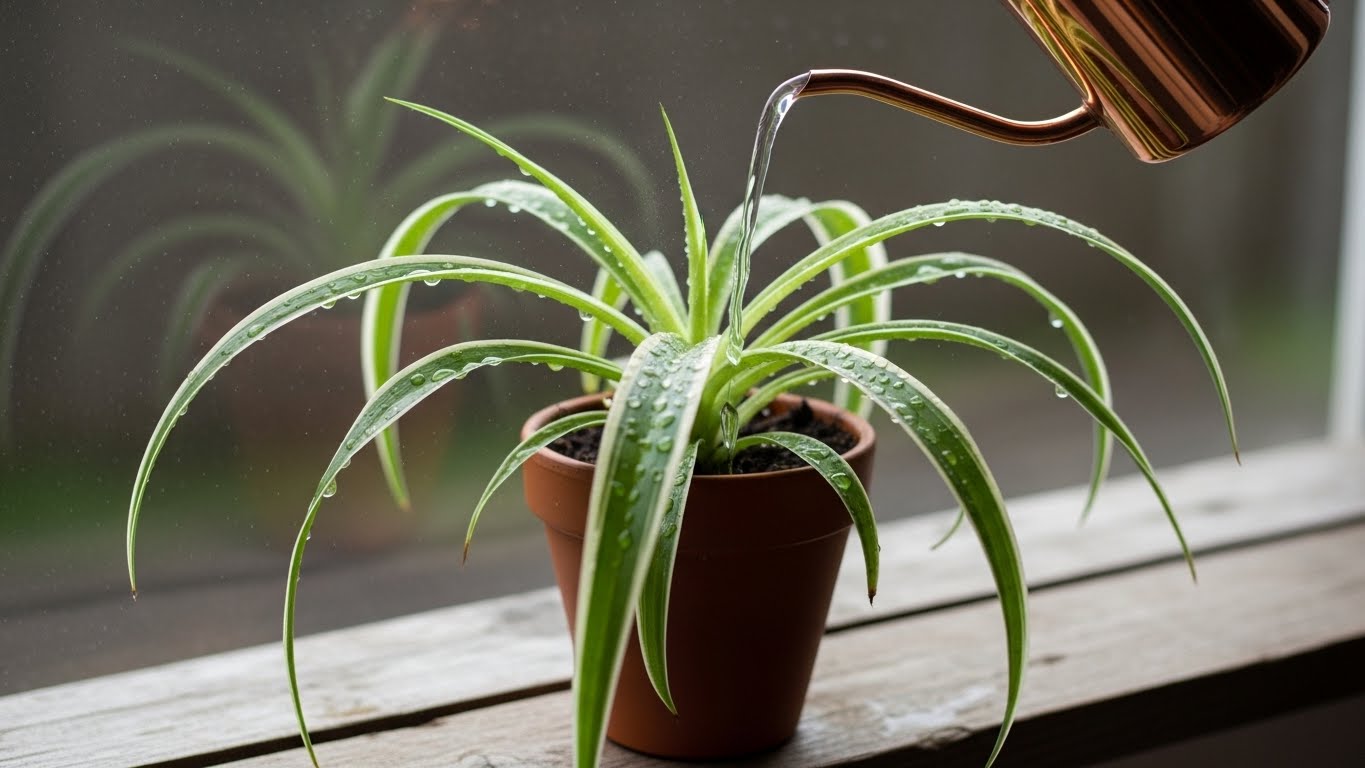
When caring for spider plants, it’s easy to make watering mistakes. Overwatering leads to yellow leaves and mushy roots, while underwatering causes wilting and browning tips. Keeping a consistent schedule is essential; check the top inch of soil before watering. Don’t forget about soil type—use a well-draining mix, and make sure your pot has drainage holes. Also, avoid using harsh tap water. Each choice impacts your plant’s health, and you’ll find more tips ahead!
Key Takeaways
- Avoid overwatering; signs include yellowing leaves and mushy roots, indicating poor drainage or the need for repotting.
- Prevent underwatering by recognizing wilting leaves and dry, crumbly soil that signal your plant is thirsty.
- Establish a consistent watering schedule, adjusting frequency with seasonal changes for optimal spider plant health.
- Use well-draining soil to prevent root rot, mixing peat, perlite, and sand for best results.
- Opt for distilled or treated water to avoid harmful chemicals found in tap water, ensuring a healthy growing environment.
Overwatering: Signs and Solutions
Overwatering can sneak up on you, especially when you’re trying to keep your spider plant happy and healthy! If you notice yellowing leaves, mushy roots, or a musty smell from the soil, those are clear overwater symptoms. Don’t worry, though; recovery methods are easy! First, check the pot for drainage holes. If water’s pooling, it might be time to repot your plant in fresh, dry soil. Allow the soil to dry out completely before watering again, and consider adjusting your schedule. Remember, spider plants prefer to be slightly dry rather than soggy. With a little TLC, your spider plant will bounce back, thriving and showing off those beautiful green leaves! Additionally, using filtered or distilled water can help prevent chemical sensitivity that contributes to overwatering symptoms. Keep an eye out, and you’ll be just fine!
Underwatering: Recognizing the Symptoms
While you might think your spider plant can thrive on minimal water, underwatering can lead to some pretty clear signs that your plant needs a drink! One of the first symptoms you’ll notice is wilting leaves. They may start to droop, losing their perky appearance. Another sign is browning tips, which indicates that your plant is feeling stressed. You might also see the leaves curling inward, as if they’re trying to conserve moisture. Pay close attention to the soil, too; if it feels dry and crumbly, your spider plant is definitely thirsty. By practicing symptom identification, you can keep your plant healthy and happy. Remember, a little love in the form of water goes a long way!
Inconsistent Watering Schedule
An inconsistent watering schedule can really throw your spider plant for a loop, making it hard for the plant to thrive. When you forget to water or change the frequency too often, your plant can suffer. It’s vital to keep a steady routine, as spider plants love a consistent environment. If you’re neglecting humidity, that can add to the stress. Adjusting frequency based on the season is important; for example, watering more in warmer months and less during winter. A good rule of thumb is to water when the top inch of soil feels dry. By sticking to a regular schedule, you’ll help your spider plant flourish and keep it looking vibrant and healthy.
Ignoring Soil Type and Drainage
Ignoring the right soil type and drainage can lead to problems that spoil your spider plant’s growth, even if you’ve got the watering schedule down pat. The soil composition you choose matters greatly; a well-draining mix helps prevent root rot and keeps your plant happy. Look for a blend that includes peat, perlite, or sand, as these materials promote airflow and drainage. Remember to check for drainage holes in your pot, too! Without them, excess water builds up, suffocating the roots. If your spider plant’s leaves start to yellow or droop, it might be time to reassess your soil and drainage setup. A little attention here can make a world of difference in your plant’s health!
Using Improper Water Quality
When you water your spider plant, the quality of the water you use can make a huge difference in its health. Using tap water might seem convenient, but it can have some undesirable effects. Chlorine, fluoride, and other chemicals can stress your plant, leading to yellowing leaves or stunted growth. On the other hand, distilled water offers several benefits, like being free from harmful additives and providing a softer environment for your plant to thrive.
Consider these tips when deciding on water quality:
- Avoid hard water high in minerals.
- Let tap water sit out for 24 hours to dissipate chemicals.
- Use rainwater if possible.
- Opt for distilled water for sensitive plants.
- Test water pH to guarantee it’s balanced.
Taking care of your spider plant means paying attention to its watering needs!
Conclusion
To sum up, keeping your spider plant happy and healthy is all about finding the right balance with water. By avoiding overwatering and underwatering, sticking to a consistent schedule, and paying attention to your plant’s soil and water quality, you’ll be on your way to becoming a true plant whisperer. Remember, a well-cared-for spider plant can be as resilient as a knight in shining armor, ready to thrive in your home! So give it the care it deserves!


