
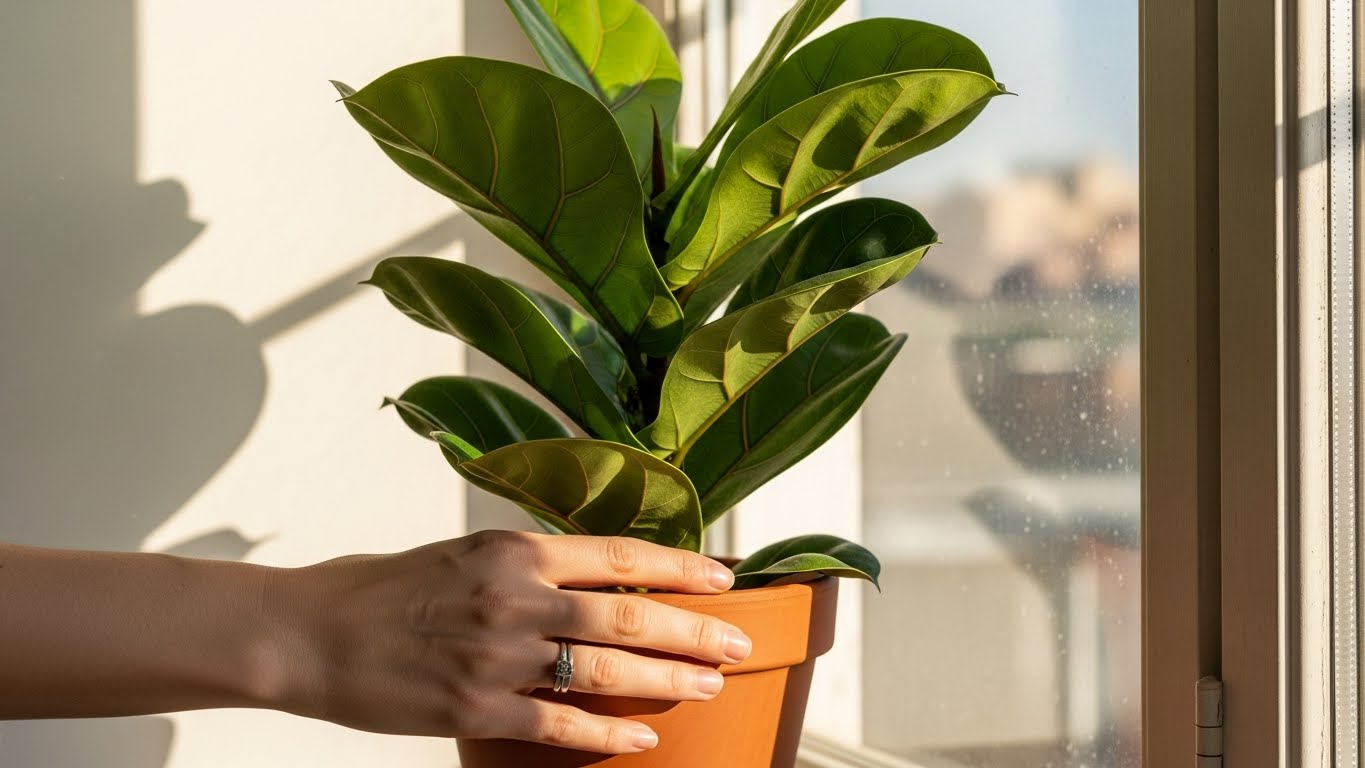
To keep your houseplants happy and healthy, rotate them every 2-4 weeks. Look for signs your plants need a turn, like leaning towards the light or uneven leaf growth. When rotating, move them to a spot with bright, indirect light, adjusting for seasonal changes, especially in fall and winter. Be consistent, but don’t rotate too often, as it can stress your plants. Stick around, and you’ll discover more tips for optimizing your plant care!
Understanding the Light Requirements of Your Houseplants
💡 Understanding the best light conditions is crucial for your houseplants. This article provides insights on how to prevent leaf burn and ensure your plants thrive.
➜ Discover proven techniques
When you bring houseplants into your home, understanding their light requirements is crucial for keeping them healthy and thriving. Each plant has unique needs based on its natural habitat, so knowing the light spectrum it prefers makes a big difference. For example, some plants love bright, direct light, while others thrive in low-light conditions.
Consider the plant orientation too; placing them near a window can give them the sunlight they crave. Rotate your plants regularly to guarantee all sides receive equal light, preventing uneven growth. This simple act can transform your greenery into vibrant companions in your space. Remember, a happy plant means a happy home, so take the time to nurture their light needs!
Signs Your Plant Needs Rotation
If your plant’s leaves are growing unevenly, leaning toward the light source, or showing signs of fading and discoloration, it might be time for a rotation. These signs indicate that your plant isn’t getting the balanced light it needs to thrive. By turning your plant regularly, you can help it grow stronger and healthier!
Uneven Leaf Growth
Uneven leaf growth is often a clear sign that your houseplant needs a little rotation. When you notice that some leaves are larger or more vibrant than others, it’s time to take action. This unevenness can disrupt leaf symmetry and alter growth patterns, making your plant look lopsided. Regularly rotating your plant helps guarantee all sides receive equal light, promoting balanced growth.
Signs of Uneven Growth | Action Needed |
|---|---|
Leaves leaning one way | Rotate the pot |
Larger leaves only on one side | Move to a brighter spot |
Stunted growth on one side | Adjust light exposure |
Leaning Toward Light
Plants have a natural instinct to grow toward light, which is a phenomenon known as phototropism. If you notice your plant leaning, it’s a clear sign it requires a little help with its light orientation. Here are three signs that your plant needs rotation:
- Uneven growth: One side of your plant is taller than the other.
- Stretched stems: The stems seem longer and thinner as they reach for light.
- Inconsistent foliage: Leaves on one side are fuller than those on the other.
To keep your plant happy, adjust its positioning every few weeks. This simple act encourages balanced growth and guarantees your leafy friend thrives, making your home feel even cozier!
Faded or Discolored Leaves
Faded or discolored leaves can be a telltale sign that your plant isn’t getting enough light on all sides, so it might be time for a rotation. When you notice faded leaves or discolored foliage, it’s like your plant is waving a little flag, asking for help. This can happen when one side of your plant basks in sunlight while the other side remains in the shadows, leading to uneven growth. To fix this, simply turn your plant every few weeks. Give it a gentle nudge, and watch as it begins to perk up, showcasing its vibrant colors once again. Remember, a little rotation can make a big difference in keeping your leafy friend happy and healthy!
Optimal Frequency for Rotating Houseplants
When it comes to rotating your houseplants, doing so every couple of weeks can help them thrive by ensuring they receive even sunlight. This ideal rotation frequency balances light exposure duration, promoting healthier growth. Here’s how to keep your plants beaming with joy:
- Rotate every 2-4 weeks: This keeps the leaves from leaning too much towards the light source.
- Watch for growth signs: If you notice uneven growth, it’s time for a quick turn.
- Adjust with seasons: As light changes throughout the year, tweak your rotation schedule for the best results.
How to Rotate Your Plants Correctly
To rotate your plants correctly, you first need to understand their light needs, as not all plants are alike! Gradually and consistently turning your plants helps them grow evenly, so they don’t lean toward one side. Keep an eye on their growth, and don’t hesitate to adjust your rotation routine if you notice any changes in how they thrive!
💡 Rotating your plants is essential for even growth and health. This guide offers a detailed schedule to help you maintain your plants’ vitality.
➜ Get the step-by-step guide
Understand Plant Light Needs
Understanding a plant’s light needs is essential for keeping it healthy and thriving. To guarantee your plants get the right light intensity and proper plant orientation, you can follow these three steps:
💡 Watering is a fundamental aspect of plant care. Avoid common mistakes and learn the best practices for keeping your Anthuriums hydrated.
➜ Master this approach
- Identify the type of light your plant prefers—low, medium, or bright direct light.
- Observe how light moves throughout your space, noting the changing angles as the sun travels.
- Adjust the plant’s position regularly, rotating it so all sides can soak up the light evenly.
Rotate Gradually and Consistently
Rotating your houseplants isn’t just about giving them a new look; it’s a smart way to guarantee they receive an even distribution of light. To keep your plants thriving, aim for a gradual rotation, turning them a little each week rather than all at once. This gentle approach helps them adjust to their new position without stress. Consistent exposure to sunlight is essential, so try to keep a routine—rotate your plants every time you water them or set a weekly reminder. By doing this, you guarantee that every leaf gets its fair share of sunlight, promoting healthy growth. Remember, a happy plant makes for a happy home, so give them the care they deserve!
Monitor Growth and Adjust
While you might think that simply turning your plants will be enough, keeping an eye on their growth is equally important to guarantee they thrive in their new positions. By monitoring growth closely, you can spot what your plants need and adjust accordingly. Here are three key points to contemplate:
- Check for Leaning: If your plant starts leaning toward the light, it may need more exposure or a different angle.
- Observe New Growth: Look for fresh leaves or stems; this indicates your plant is adjusting well to its new light.
- Adjust Light Levels: If growth slows, reflect on changing the light source or rotating your plant again.
With these steps, you’ll ensure your plants stay happy and healthy!
Best Practices for Managing Light Exposure
Managing light exposure for your houseplants is essential to keeping them healthy and vibrant. To guarantee your plants thrive, start by observing their response to light. Rotate them every few weeks to promote even growth, and pay attention to any signs of stress, like yellowing leaves. Use sheer curtains to soften harsh sunlight, giving your plants a gentle glow instead of a scorching blast. Try to position them near windows that receive bright, indirect light, which is often best for most varieties. Remember, each plant has unique needs, so research specific requirements to enhance their plant health. By embracing these practices, you’ll nurture your plants into radiant beauties, creating a lively atmosphere in your home.
The Importance of Consistent Light for Growth
Consistent light plays a significant role in how well your houseplants grow and thrive. When you provide your plants with steady light, you’ll notice a healthier, more vibrant display. Here are three key reasons why consistent light matters:
- Regulates Growth Patterns: Plants adapt their growth depending on light exposure, so stable light helps maintain their natural rhythm.
- Boosts Photosynthesis: Proper light intensity guarantees your plants can efficiently convert light into energy, fueling their growth.
- Prevents Stress: Sudden changes in light can shock your plants, leading to wilting or stunted growth.
Adjusting for Seasonal Changes in Light
As the seasons change, so do the light conditions in your home, which means it’s time to adjust how you care for your houseplants. During fall and winter, sunlight can be weaker and more angled, so consider moving your plants closer to windows for better light exposure. Conversely, as spring arrives, you might need to rotate them away from direct sunlight to prevent scorch. These seasonal adjustments are essential for keeping your plants healthy and thriving. Remember, each plant has its own needs, so observe how they respond to their new spots. By paying attention to these changes, you’ll nurture your green companions and guarantee they flourish throughout the year, bringing joy to your living space!
Common Mistakes to Avoid When Rotating Plants
When it comes to rotating your houseplants for ideal light exposure, it’s easy to make a few common mistakes that can end up harming your green friends. Here are three common pitfalls to watch out for:
- Not rotating consistently: Inconsistent plant rotation can lead to uneven growth, affecting your plant’s overall health.
- Rotating too frequently: Constantly moving plants can stress them out, preventing them from adjusting to their new light conditions.
- Ignoring specific light needs: Different plants have unique light exposure requirements. Not considering these needs can result in poor plant health.
Conclusion
In the dance of light and growth, rotating your houseplants is like giving them a twirl to bask in the sun’s warm embrace. By understanding their needs and adjusting their positions regularly, you’ll help them thrive and flourish. Remember, just like you enjoy a change of scenery, your plants do too! So, keep an eye on their signs, embrace the rhythm of light, and watch your green friends thrive, turning your home into a vibrant sanctuary.
💡 Proper fertilization is key to supporting your plants’ growth and blooms. Learn how to nourish your Anthuriums effectively.
➜ Explore advanced methods


