
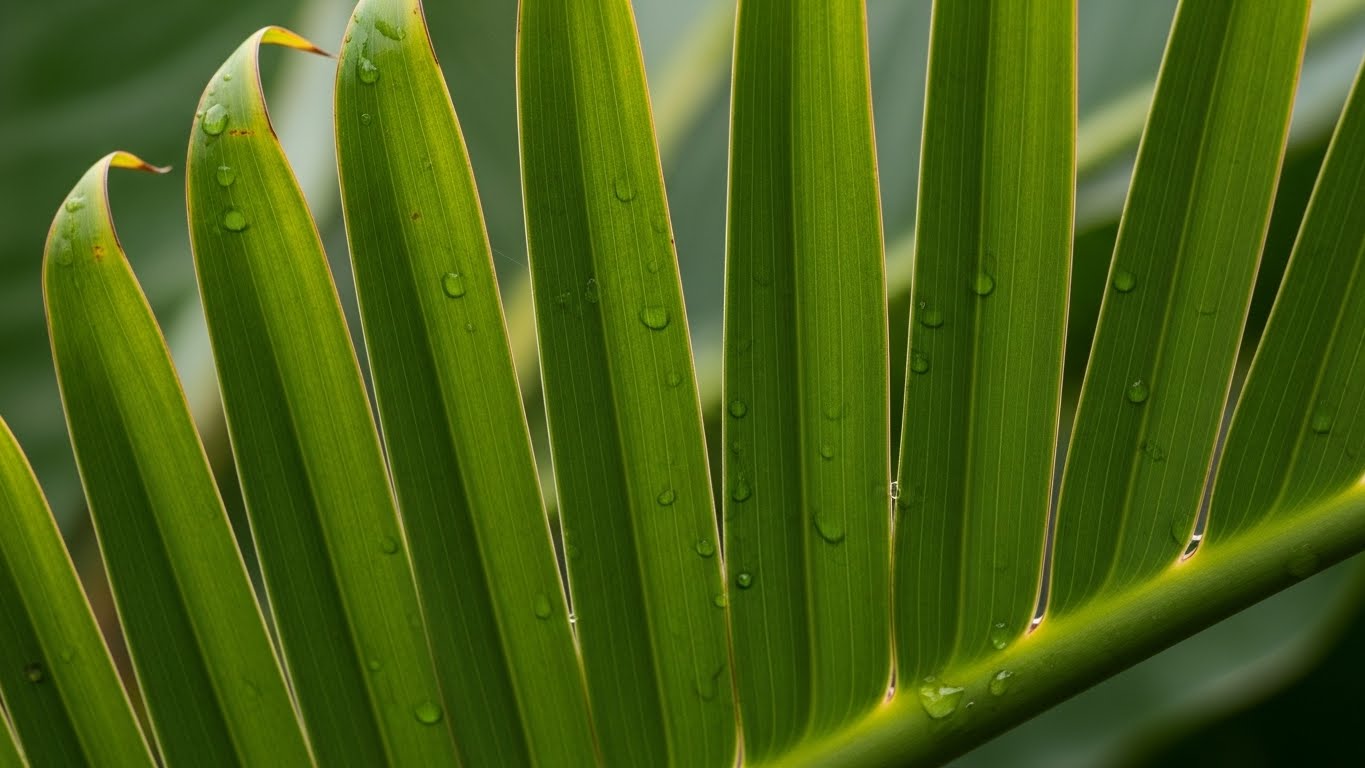
Your Bird of Paradise leaves might be splitting due to a few key factors. Insufficient light, inconsistent watering, or temperature changes can cause stress, leading to splits. Make certain you’re watering properly; let the soil dry slightly between waterings, and keep humidity levels around 50-60%. Also, check for nutrient deficiencies or excesses, as these can weaken leaves. By adjusting these care elements, you can promote healthier, stronger leaves. Want to know more about keeping your plant happy?
Key Takeaways
- Insufficient light exposure can weaken Bird of Paradise leaves, leading to splits; ensure they receive bright, indirect sunlight.
- Poor soil quality and drainage may stress the plant, contributing to leaf splitting; use a nutrient-rich, well-draining potting mix.
- Irregular watering practices, such as overwatering or underwatering, can cause leaf splitting; check soil moisture and maintain a consistent watering routine.
- Temperature fluctuations or low humidity levels can stress the plant, impacting leaf integrity; maintain ideal humidity of 50-60% and temperatures between 65°F to 75°F.
- Pest infestations or diseases may weaken leaves; regularly inspect for pests and take prompt action to manage any issues.
Environmental Factors Affecting Leaf Integrity
When you consider the lush beauty of Bird of Paradise plants, it’s fascinating to realize that their leaves can start splitting due to various environmental factors. One key factor is light exposure; if they’re not getting enough sunlight, their leaves may weaken and split. Ideally, they thrive in bright, indirect light, so placing them near a window can make a big difference. Another vital element is soil quality. If the soil isn’t well-draining or lacks nutrients, it can stress the plant, leading to those unhappy splits. Regularly checking both light conditions and soil health will help maintain your plant’s vibrant leaves. Additionally, ensuring high humidity levels around the plant can also prevent leaf splitting, as dry air tends to exacerbate the issue. By paying attention to these factors, you can keep your Bird of Paradise flourishing beautifully.
Watering Techniques and Their Impact
While you might think that all plants need the same amount of water, Bird of Paradise plants have unique requirements that can make a big difference in their health. To keep your plant thriving, you need to pay attention to soil moisture. It’s essential to check the top inch of soil—if it feels dry, it’s time to water. Overwatering can lead to root rot, while underwatering can cause the leaves to split. Aim for a watering frequency that allows the soil to dry out slightly between waterings. By striking the right balance, you’ll foster strong growth and beautiful leaves. Remember, your Bird of Paradise will thank you for your care and attention!
Nutrient Deficiencies and Excesses
When it comes to keeping your Bird of Paradise healthy, understanding nutrient deficiencies and excesses is key. These plants thrive on essential nutrients like nitrogen, phosphorus, and potassium, but too little or too much can lead to visible signs of trouble. Let’s explore how to spot these symptoms and guarantee your plant gets just the right balance for vibrant growth!
Essential Nutrients for Growth
To guarantee your Bird of Paradise thrives, understanding essential nutrients is key, as these elements play an essential role in your plant’s growth and overall health. The right nutrient balance guarantees your plant flourishes, so keep an eye on your soil composition. Nitrogen, phosphorus, and potassium are critical for vibrant foliage and strong roots. If your soil is lacking, your plant may struggle to absorb these nutrients effectively. Make certain to choose a well-draining potting mix that’s rich in organic matter. Regularly adding compost can help maintain that nutrient balance, providing your Bird of Paradise with the boost it needs. Remember, a happy plant is a healthy plant, and you’ll see those stunning leaves shine!
Signs of Nutrient Deficiency
Noticing your Bird of Paradise isn’t looking quite right? You might be witnessing signs of a nutrient imbalance. Healthy leaves are usually vibrant, but if they start to show discoloration, it’s a cry for help. Check for yellowing, browning edges, or spots—these can signal nutrient deficiencies.
Here’s a quick reference to help you identify potential issues:
Nutrient Deficiency | Signs of Leaf Discoloration |
|---|---|
Nitrogen | Yellowing leaves |
Potassium | Brown, crispy leaf edges |
Magnesium | Interveinal chlorosis (yellowing between veins) |
Iron | Yellow leaves with green veins |
Calcium | Leaf tip burn |
Keep an eye on your plant, and remember, addressing these signs early can help restore its health!
Impact of Excess Nutrients
While spotting signs of nutrient deficiencies in your Bird of Paradise can be concerning, it’s equally important to understand that too much of a good thing can also harm your plant. Excess nutrients can lead to nutrient burn, where the tips of your leaves turn brown and crispy, signaling distress. This often occurs due to a fertilizer imbalance, when the ratios of nutrients applied aren’t appropriate for your plant’s needs. You might notice that your once vibrant leaves are splitting as they struggle to cope with the stress. To keep your Bird of Paradise thriving, always follow recommended fertilization guidelines, monitor your plant’s health, and adjust accordingly. Remember, balance is key to creating a happy, healthy home for your beautiful plant!
Temperature and Humidity Considerations
When you care for a Bird of Paradise plant, you’ll discover that temperature and humidity play a huge role in its health and growth. These vibrant beauties thrive in warm, humid environments, so keeping an eye on humidity levels is essential. Ideally, you want humidity to be around 50-60%. If it dips too low, the leaves might start splitting.
Temperature fluctuations can also stress your plant. It loves consistent warmth, ideally between 65°F and 75°F during the day. Sudden changes, like cold drafts or heat from appliances, can lead to unhealthy leaves. By maintaining steady temperature and humidity, you’ll create a cozy home for your Bird of Paradise, helping it flourish and show off those stunning leaves!
Pest Infestations and Disease
Pest infestations and diseases can sneak up on your Bird of Paradise, especially when it’s not at its happiest due to temperature and humidity issues. To keep your plant thriving, you need to focus on effective pest management and disease prevention. Start by regularly inspecting your leaves for any signs of pests like spider mites or aphids. If you spot anything unusual, act quickly—remove the affected leaves and consider using insecticidal soap. Maintaining the right humidity and temperature helps strengthen your plant’s defenses, making it less prone to infestations. Remember, a healthy Bird of Paradise is more resilient. By being proactive, you’ll not only protect your plant but also enjoy its stunning beauty for years to come!
Proper Pruning and Maintenance Practices
When it comes to keeping your Bird of Paradise healthy, proper pruning and maintenance practices are key. You’ll want to pay attention to the timing of your cuts, use the right tools for the job, and follow some seasonal tips to guarantee your plant thrives. By doing this, you can help prevent issues like leaf splitting and promote a vibrant, beautiful display.
Pruning Timing Importance
Pruning your Bird of Paradise at the right time is essential for keeping the plant healthy and vibrant. The seasonal timing of your pruning can make a world of difference, so you’ll want to use proper pruning techniques to guarantee lush growth. Pruning in late winter or early spring encourages new life just as the growing season begins.
- Feel the joy of watching your plant thrive.
- Experience the satisfaction of nurturing something beautiful.
- Embrace the calming ritual of caring for your greenery.
Tools for Effective Pruning
Having the right tools can make all the difference when it comes to effective pruning of your Bird of Paradise. First, invest in sharp pruning shears; they’ll make clean cuts, which help your plant heal faster. A pair of loppers can tackle thicker branches, while a hand saw is great for any really stubborn ones. Remember, using the right pruning techniques not only keeps your plant healthy but also encourages beautiful growth. Don’t forget to have some gloves on hand to protect your hands from any sharp edges. With these pruning tools, you’ll be well-prepared to maintain your Bird of Paradise, ensuring it thrives and flourishes with vibrant leaves, free from splits!
Seasonal Maintenance Tips
To keep your Bird of Paradise healthy and vibrant, regular seasonal maintenance is key. Start with seasonal pruning in the spring to remove any dead or damaged leaves, which helps your plant flourish. During winter care, reduce watering and keep your plant in a warmer spot to protect it from cold drafts.
Here are some simple tips to make your maintenance routine even more enjoyable:
- Feel the satisfaction of giving your plant a fresh start each season.
- Watch your Bird of Paradise thrive with your loving care.
- Create a cozy winter environment that keeps your plant snug and happy.
With these practices, you’ll cultivate a bond with your plant, ensuring it brings beauty and joy to your space year-round.
Conclusion
In the grand garden of life, your Bird of Paradise is like a vibrant dancer, swaying gracefully under the right conditions. If its leaves start splitting, it’s a sign that something’s amiss in its environment. By tuning into factors like watering, nutrients, and pests, you can help your plant regain its elegance. With a little care and attention, you’ll see it flourish again, showcasing its stunning leaves like a star taking center stage.


