
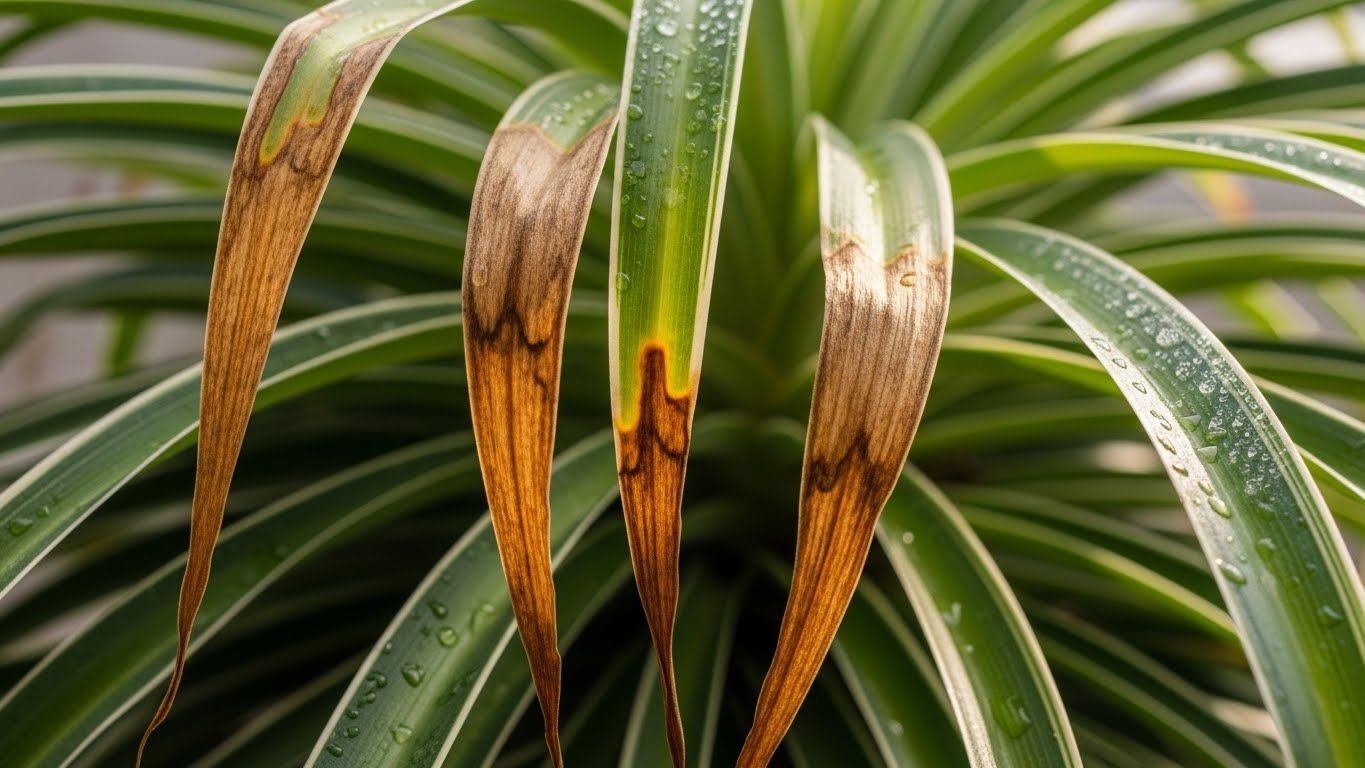
If your spider plant has brown tips, don’t worry—it’s usually fixable! Common causes are too much direct sunlight, improper watering, or low humidity. Make sure it gets bright, indirect light and only water when the top inch of the soil is dry. Keep the humidity between 40% and 60%, and use filtered water to avoid chemicals that can hurt your plant. Want to know more about keeping your spider plant happy? There’s plenty to discover!
Key Takeaways
- Brown tips on spider plants can result from excessive direct sunlight or insufficient light; aim for bright, indirect light.
- Use filtered or distilled water, as fluoride and chlorine in tap water can cause chemical sensitivity leading to brown tips.
- Maintain consistent watering; check the top inch of soil for dryness to avoid overwatering or underwatering issues.
- Ensure humidity levels are between 40% and 60% and keep temperatures within 65°F to 75°F for optimal growth.
- Monitor for pests like spider mites and aphids, and treat with insecticidal soap if necessary; also check for signs of fungal infections.
Common Causes of Brown Tips on Spider Plants
When you notice brown tips on your spider plant’s leaves, it can be a bit concerning, but don’t worry—it’s a common issue that many plant parents encounter. One of the main culprits behind this leaf damage is light exposure. If your spider plant’s getting too much direct sunlight, those leaves can scorch, leading to those unsightly brown tips. On the flip side, insufficient light can also stress your plant, causing it to struggle and develop issues. To keep your spider plant happy, try placing it in bright, indirect light. This way, you’ll help it thrive without the fear of burning those beautiful leaves. Remember, a little care goes a long way in ensuring your plant stays lush and vibrant! Additionally, brown tips can also result from chemical sensitivity due to fluoride and chlorine in tap water, so consider using filtered or distilled water for your plant.
Watering Issues: Overwatering vs. Underwatering
Watering your spider plant can be a bit of a balancing act, as both overwatering and underwatering can lead to issues that affect your plant’s health and appearance. To keep your plant thriving, pay attention to its moisture levels and adjust your watering frequency accordingly.
Issue | Signs |
|---|---|
Overwatering | Yellowing leaves, mushy roots |
Underwatering | Brown tips, crispy edges |
Finding the right balance is key. When the top inch of soil feels dry, it’s time to water. If it’s consistently soggy, you might be giving it too much love! Remember, your spider plant wants to be happy, and you can help it flourish.
Environmental Factors: Humidity and Temperature
While spider plants are known for their resilience, they still thrive best in the right environmental conditions, particularly humidity and temperature. These plants love a humid environment, so try to maintain humidity levels between 40% and 60%. If your home’s air is too dry, you might notice brown tips on the leaves. Temperature fluctuations can also be tricky; spider plants prefer a cozy range of 65°F to 75°F. If temperatures drop below 50°F or spike above 80°F, it can stress your plant. To keep your spider plant happy, consider using a humidifier or placing it in a bathroom or kitchen where humidity levels are naturally higher. Embrace these tips, and watch your plant flourish!
Nutrient Deficiencies and Soil Quality
To keep your spider plant looking its best, you need to pay attention to nutrient deficiencies and soil quality. A healthy spider plant thrives in soil with a balanced nutrient profile. If the soil pH is off, it can lead to nutrient imbalances, resulting in those pesky brown tips. Regularly check your soil’s pH; it should be between 6.0 and 7.0 for ideal nutrient uptake. To boost nutrient levels, consider using a balanced fertilizer every few months. Don’t forget to refresh the soil every couple of years to guarantee your plant has the minerals it needs. By maintaining a healthy soil environment, you help your spider plant flourish, keeping its vibrant green leaves looking stunning!
Pest Problems and Fungal Infections
Pest problems and fungal infections can sneak up on your spider plant when you least expect it, but with a little vigilance, you can keep them at bay. Start by practicing pest identification; look for small insects like spider mites or aphids, which can cause brown tips. If you notice any, act quickly! A simple spray of insecticidal soap can work wonders. For fungal infections, check for discolored, mushy spots on leaves. These might signal root rot or mildew. To tackle these, consider a fungal treatment like a baking soda solution or a commercial fungicide. Remember, keeping your plant in well-draining soil and providing adequate airflow helps prevent these issues from returning, ensuring your spider plant thrives beautifully!
Conclusion
To sum up, if your spider plant has brown tips, don’t fret! By checking your watering routine, adjusting humidity levels, and ensuring your plant gets the right nutrients, you can bring it back to health. For example, when Jenna noticed her spider plant’s tips turning brown, she realized she’d been overwatering it. After switching to a more balanced watering schedule, her plant perked up within weeks! With a little care, your spider plant can thrive beautifully.


