
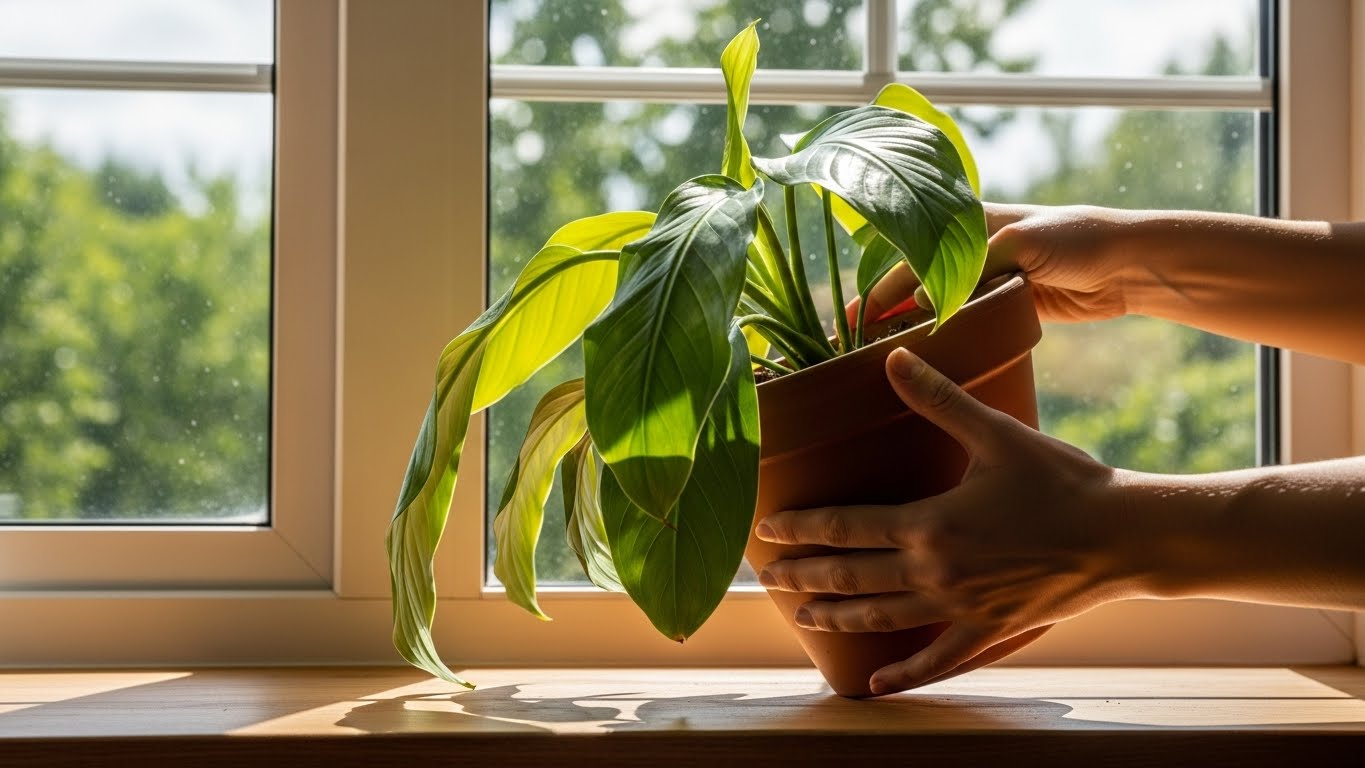
To keep your plants growing evenly, rotate them every two weeks. This simple habit helps guarantee all sides get equal sunlight, promoting balanced growth. If your plant starts leaning or one side looks sparse, it might need a more frequent rotation. Don’t forget to check each plant’s unique needs, like light and humidity, as that can influence how often you turn them. Want to discover more tips for keeping your plants healthy?
Understanding Plant Growth Patterns
💡 Understanding the right timing and method for rotating your houseplants is crucial for their growth.
➜ Master this approach
When you think about how plants grow, it’s amazing to realize that they don’t just sprout and thrive randomly; they follow specific patterns that can teach us a lot. Understanding these growth patterns is essential for ensuring plant health. Each plant species has its unique way of growing, influenced by factors like water, soil type, and even temperature. For instance, some plants might stretch toward the light, while others grow wider to capture more sunlight. By observing these patterns, you can learn how to care for your plants better. You’ll notice that when you rotate your plants regularly, it encourages balanced growth, helping them stay healthy and vibrant. So, take a moment to appreciate the fascinating world of plant growth!
The Importance of Light for Houseplants
When it comes to houseplants, light is one of the most important factors for their growth and health. You might not realize that different plants have unique light requirements, so understanding what your specific plant needs can make a big difference. Plus, the direction of light can affect how your plants grow, so let’s explore how to give them the best chances to thrive!
Natural Light Sources
Natural light is like a superpower for houseplants, helping them grow strong and vibrant. Just like us, plants thrive in the right light, so understanding sunlight angles is essential. When you position your plants near windows, they soak up that natural goodness, making their leaves lush and green.
Here are some tips for maximizing natural light:
- Rotate your plants regularly to guarantee all sides receive equal sunlight.
- Watch for shadows and adjust their spots to avoid dark corners.
- Use sheer curtains to filter light, preventing harsh rays from burning leaves.
- Consider the seasons—as the sun’s angle changes, so should your plant’s placement.
With the right natural light, your plants will flourish beautifully!
Light Requirements Vary
Light plays an essential role in the growth and health of houseplants, but not all plants have the same light needs. Understanding light intensity is vital; some plants thrive in bright, direct sunlight, while others prefer the soft glow of indirect light. When you decide where to place your plants, consider their orientation towards the light source. A plant facing a window might stretch towards the light, creating an uneven shape if it doesn’t receive equal light on all sides. Rotating your plants regularly can help balance their growth, ensuring they get the light they crave. By paying attention to their specific needs, you’ll create a happy, healthy environment that supports their growth beautifully.
Effects of Light Direction
Understanding how light hits your plants can make a big difference in their growth and overall health. The angle of the light affects how your plants lean and stretch, which is why you should pay attention to their growth orientation. If they’re reaching too much to one side, it’s time to rotate them!
- Regular rotation helps balance light exposure.
- Different plants have unique light needs, so adjust accordingly.
- Pay attention to how shadows shift as the day goes on.
- Experiment with placement to find the sweet spot for each plant.
Signs Your Plant Needs to Be Rotated
When it comes to keeping your plants healthy and happy, there are a few key signs that tell you it’s time to give them a good rotation. First, if you notice your plant leaning toward the light source, it’s craving balance. This can lead to uneven growth, which isn’t great for plant health. Second, yellowing leaves or sparse foliage on one side can indicate that it’s not getting enough light, signaling the need for a turn. Finally, if your plant seems to be growing faster on one side, it’s time to rotate it for that growth balance. By watching for these signs, you’ll guarantee your plants thrive, looking their best and staying vibrant all year long!
How Often Should You Rotate Your Plants?
When it comes to keeping your plants healthy and happy, rotation plays a key role! You’ll want to know how often to turn them for the best results, as this simple task has amazing benefits. Plus, recognizing the signs that your plants need rotation will help guarantee they thrive in their environment.
Benefits of Plant Rotation
Rotating your plants isn’t just a fun gardening task; it brings a host of benefits that can help your green friends thrive. By turning them regularly, you encourage even light exposure, which is essential for their growth balance. This simple act also boosts plant health, helping them to develop stronger roots and healthier foliage.
Here are some key benefits:
- Promotes even growth: Helps prevent leaning towards light sources.
- Enhances air circulation: Reduces the risk of mold and pests.
- Encourages stronger stems: Supports overall stability and resilience.
- Improves nutrient absorption: Allows roots to access soil nutrients more effectively.
Start rotating your plants today, and watch them flourish like never before!
Recommended Rotation Frequency
To keep your plants thriving, knowing how often to rotate them is just as important as the act itself. For most indoor plants, aim to perform plant rotation every two weeks. This regular movement encourages growth improvement by ensuring all sides of your plants receive equal light, preventing them from leaning toward the sun. If you notice uneven growth or your plants start to stretch, you might want to rotate them more frequently, perhaps even once a week. Remember, each plant is unique, so pay attention to their specific needs. By sticking to a consistent rotation schedule, you’ll help your green friends flourish and create a more vibrant indoor garden you can be proud of!
Signs Your Plants Need Rotation
Have you ever noticed your plant leaning to one side or growing unevenly? These signs can indicate it’s time for a rotation to promote balanced plant growth. When you spot these symptoms, don’t ignore them; your plant needs your attention! Here are some clear signs it’s time to rotate:
- Leaves are only growing on one side.
- Stems appear longer and thinner on one side.
- The plant seems to be reaching for the light source.
- Flowers or buds are unevenly distributed.
Factors Influencing Rotation Frequency
When you think about how often to rotate your plants, several important factors come into play that can really affect their health and growth. First, consider the rotation frequency based on your plants’ specific needs. Some might thrive with frequent adjustments, while others prefer a more stable environment. Next, think about environmental factors like sunlight and airflow. If one side of your plant isn’t getting enough light, it’ll stretch toward the source, leading to uneven growth. Additionally, temperature and humidity levels can impact how quickly your plants grow, which means you might need to rotate them more often or less often depending on their surroundings. By staying attentive to these factors, you’ll help your plants flourish beautifully!
💡 Preventing issues like root rot is essential for maintathisng healthy plants.
➜ Discover proven techniques
Benefits of Regular Plant Rotation
Regularly rotating your plants not only promotes healthier growth, but it also helps them thrive in their environment. By changing their positions, you encourage even exposure to sunlight, which boosts plant health and growth optimization. You’ll notice how your plants respond positively! Here are some benefits of regular plant rotation:
💡 Proper fertilization complements plant rotation for balanced growth.
➜ Get the step-by-step guide
Regular plant rotation enhances growth and ensures optimal sunlight exposure for healthier, thriving plants.
- Improved Light Access: Every leaf gets its share of sunlight.
- Balanced Nutrient Uptake: Roots spread more evenly, absorbing nutrients better.
- Pest Prevention: Rotating reduces the risk of pests settling in one spot.
- Enhanced Aesthetics: A well-placed plant arrangement looks stunning!
Techniques for Rotating Your Plants
When it comes to rotating your plants, timing and methods are key to keeping them healthy and thriving. You’ll want to find a regular schedule that works for you, ensuring your plants get equal light from all sides. Plus, using different techniques, like turning pots or moving plants to new spots, can make a big difference in their growth and energy!
Timing for Plant Rotation
To keep your plants healthy and thriving, rotating them every few weeks can make a big difference. Proper rotation timing boosts plant growth by ensuring they receive equal sunlight and nutrients. Here are some tips to help you remember when to rotate:
- Observe growth: If one side looks taller or greener, it’s time to rotate.
- Check the light: Notice if the light source shifts over the seasons; adjust your rotation accordingly.
- Set reminders: Use a calendar or app to schedule your plant rotation every 2-4 weeks.
- Be consistent: Establish a routine so your plants get used to the rhythm of rotation.
With these simple strategies, you’ll nurture your plants into lush, vibrant beauties!
Methods for Effective Rotation
Effective plant rotation is all about using the right techniques to keep your greenery thriving. Start by evaluating your plants’ specific needs. For instance, adjust their positions based on container size and soil type, ensuring each plant gets adequate light intensity and humidity levels. Embrace plant diversity to enhance growth rate and nutrient balance.
Here’s a helpful guide to evaluate:
Technique | Key Considerations |
|---|---|
Watering | Match water needs to species |
Pruning Frequency | Regular pruning for health |
Pest Control | Rotate to prevent infestations |
Light Adjustment | Move plants for ideal light |
Soil Variation | Change soil type as needed |
Best Practices for Plant Placement
Finding the right spot for your plants can be just as essential as choosing the plants themselves, since each type has unique sunlight and space requirements. To guarantee your plants thrive, consider these best practices for plant placement:
- Assess sunlight exposure: Different plants need varying amounts of light, so observe your space throughout the day.
- Consider ideal spacing: Group plants with similar needs together, providing enough room for growth without overcrowding.
- Use plant arrangement creatively: Mix heights and textures to create visual interest while making sure each plant gets the light it needs.
- Rotate regularly: Even if you’ve found a good spot, rotating your plants helps them grow evenly and healthily.
Common Mistakes to Avoid When Rotating
When you rotate your plants, it’s easy to overlook some common mistakes that can hinder their growth instead of helping it. One of the most frequent rotation errors is neglecting light. Remember, plants crave sunlight, so if you shift them to a spot with less light, they won’t thrive. Another mistake is waiting too long between rotations. Consistency is key, and a regular schedule helps keep growth even. Don’t forget to take into account the size of your plants; larger plants might block light from smaller ones if not arranged thoughtfully. Finally, always observe how your plants respond after a rotation. If they seem unhappy, adjust your approach! With attention to these details, you’ll nurture happy, healthy plants.
The Role of Seasonal Changes in Rotation
As the seasons shift, so do the needs of your plants, making it essential to adapt your rotation strategy accordingly. Seasonal adaptations play a vital role in ensuring your plants thrive. As sunlight and temperature change, your plants might lean toward one side, seeking more light. Adjusting rotation helps counteract this tendency, promoting even growth.
Here are a few tips for seasonal rotation:
- Rotate your plants every month during spring and summer.
- Observe how climate impact affects growth patterns.
- Monitor your plants’ response to light and adjust accordingly.
- Don’t forget to keep your watering schedule in line with seasonal changes.
Incorporating Rotation Into Your Care Routine
Incorporating plant rotation into your care routine not only enhances your plants’ health but also makes gardening a more engaging experience. By regularly changing your plant orientation, you can guarantee they’re receiving balanced light exposure, which promotes even growth.
Try simple rotation techniques, like turning pots a quarter turn every week. This small change can help prevent your plants from leaning towards the light source. Additionally, consider grouping plants with similar light needs together, making it easier to rotate them as a unit.
Observing Changes After Rotation
After you start rotating your plants, you’ll likely notice some fascinating changes in their growth patterns and overall health. These growth observations are essential for understanding the rotation effects on your beloved greenery. You might be surprised by how quickly your plants respond!
- Leaves may become brighter and healthier.
- Stems could grow taller and straighter.
- New shoots might appear more frequently.
- Plants may even flower sooner than expected.
Keep an eye on your plants, and enjoy this journey together. Each rotation not only encourages balanced growth but also allows you to connect with your plants on a deeper level. Embrace these changes, as they’re a sign of your care and effort paying off beautifully!
Conclusion
To sum up, rotating your plants regularly isn’t just a theory; it’s a proven way to promote even growth and keep them healthy. By understanding how light affects your plants and recognizing the signs they need a turn, you can greatly enhance their health. Make rotation a fun part of your plant care routine, and watch as your greenery thrives. Remember, a little effort goes a long way in ensuring your plants shine brightly in their space!
💡 Understanding watering needs is vital for ensuring even growth in your plants.
➜ See how to implement this


