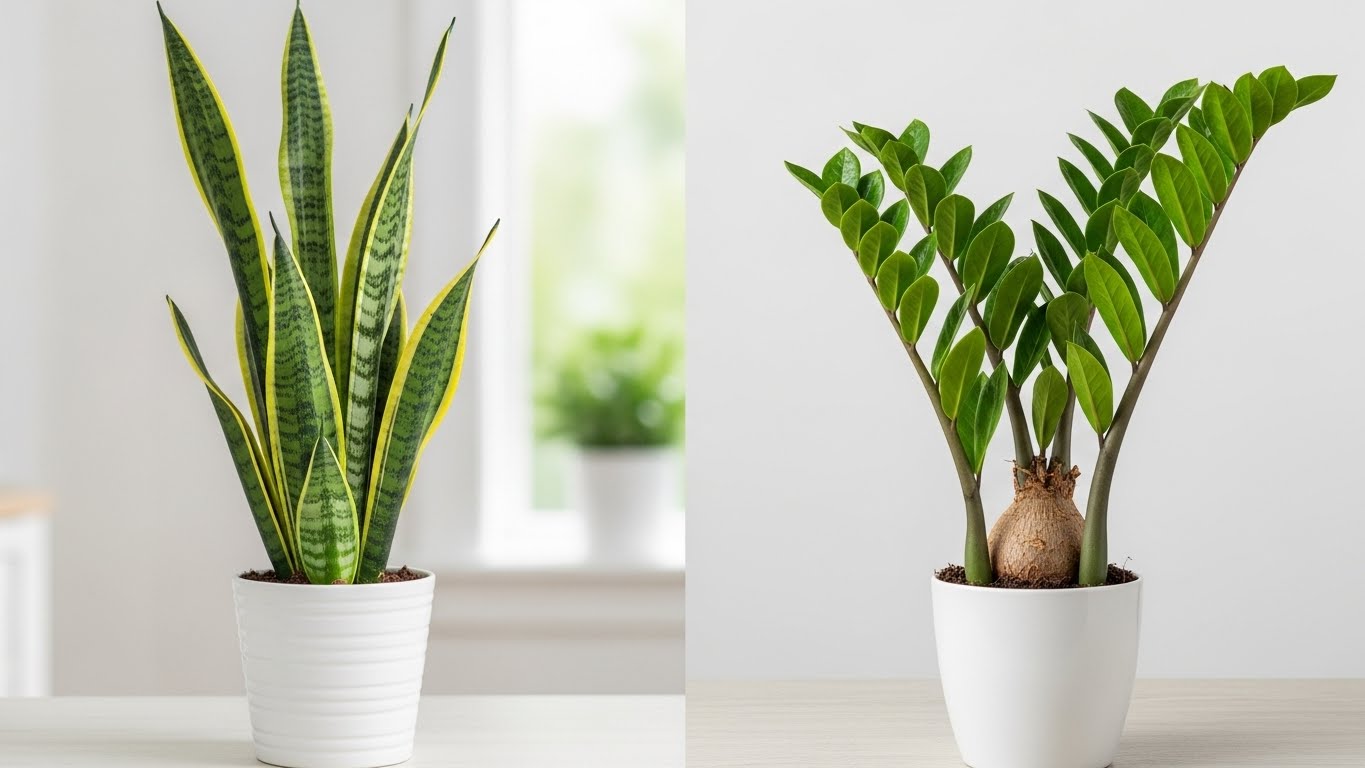
When it comes to keeping houseplants alive, both the Snake Plant and ZZ Plant are top picks! They thrive in low light and only need occasional watering, making them perfect for busy lifestyles. While Snake Plants prefer a bit more neglect, ZZ Plants can hold onto moisture a bit better. However, both need well-draining soil and can face issues like root rot if overwatered. Curious about their care and other fun facts? Stick around to learn more!
Key Takeaways
- Snake Plants thrive on neglect, requiring less frequent watering compared to ZZ Plants, which can tolerate slightly more moisture.
- ZZ Plants can adapt to varying light conditions but prefer bright, indirect light, while Snake Plants tolerate lower light levels well.
- Both plants are pest-resistant, but ZZ Plants may attract pests like spider mites and mealybugs more frequently than Snake Plants.
- Snake Plants are slightly more forgiving of overwatering, making them easier for beginners to care for than ZZ Plants.
- Both plants are toxic to pets, thus requiring caution in households with animals, emphasizing the need for pet-safe placement.
Overview of Snake Plant
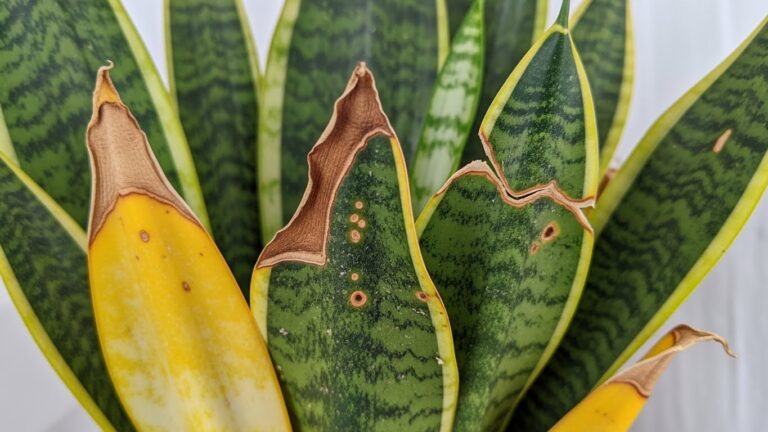
The Snake Plant, also known as Sansevieria or Mother-in-Law’s Tongue, is a fascinating houseplant that adds a touch of green to any space. With its striking upright leaves and various plant varieties, it can effortlessly enhance your indoor aesthetics. You’ll love how the Snake Plant thrives in low light and needs minimal watering, making it perfect for busy lifestyles. Its unique architectural shape can complement your decor, whether you place it in a cozy corner or on a stylish shelf. Plus, it’s known for improving air quality, which makes it a great companion. So, if you’re looking for a resilient plant that’s both beautiful and easy to care for, the Snake Plant is definitely a fantastic choice! Additionally, it’s important to provide excellent drainage to prevent root rot, as overwatering is the most common cause of snake plant failure.
Overview of ZZ Plant
The ZZ plant is a fantastic choice for anyone looking to brighten up their space with minimal effort. You’ll find that its care requirements are pretty straightforward, making it perfect for beginners or busy people. Plus, understanding its ideal growing conditions will help you keep this resilient plant thriving in your home.
Care Requirements
Caring for a ZZ plant is a breeze, making it a popular choice for both beginners and seasoned plant enthusiasts alike. These charming plants boast thick, waxy leaves that store water, showcasing their unique plant characteristics. Thanks to their growth habits, they thrive in low-light conditions, allowing you to place them almost anywhere in your home. Watering is simple; just let the soil dry out completely between waterings, which can be every few weeks. They enjoy a well-draining potting mix, helping prevent root rot. Plus, ZZ plants aren’t picky about humidity, making them adaptable to various indoor environments. With minimal fuss and maximum style, you’ll find ZZ plants are easy companions for your living space!
Ideal Growing Conditions
When it comes to growing a ZZ plant, understanding its perfect conditions can make all the difference in keeping it healthy and thriving. For starters, this plant loves warmth, thriving best in a prime temperature range of 65 to 75 degrees Fahrenheit. It’s also pretty forgiving when it comes to humidity levels; it can adapt to both dry and humid environments, although moderate humidity is perfect. Make sure to place it in bright, indirect light, as direct sunlight can scorch its leaves. Watering should be infrequent—let the soil dry out completely between waterings. By creating these perfect conditions, you’ll encourage your ZZ plant to flourish, bringing life and beauty to your space with minimal fuss.
Light Requirements
Although both the Snake Plant and ZZ Plant are known for their hardiness, their light requirements can differ considerably. Understanding these needs will help you keep your plants thriving. Here’s a quick comparison:
Both the Snake Plant and ZZ Plant are hardy, but their light requirements vary significantly. Understanding these needs is key to their thriving.
- Snake Plant: Prefers low to bright indirect light, but it thrives even in low light conditions.
- ZZ Plant: Enjoys bright, indirect light but can tolerate low light as well; it’s quite forgiving.
- Light Intensity: The Snake Plant does well in lower light intensity, while the ZZ Plant can handle slightly higher intensity.
- Light Duration: Both plants are flexible, but around 12 hours of light duration is ideal for peak growth.
Watering Needs
Watering is a key aspect of keeping your Snake Plant and ZZ Plant healthy. When it comes to watering frequency, you’ll want to be mindful of their needs. Both plants thrive on a “less is more” approach, so it’s best to let the soil dry out between waterings. Check the top inch of the soil; if it feels dry, it’s time to give your plants a drink. The Snake Plant prefers a bit more neglect, while the ZZ Plant can handle a little more moisture retention. Remember, overwatering can lead to root rot, which is a big no-no! By staying attentive to their watering habits, you’ll be rewarded with vibrant, happy plants that brighten your space.
Soil Preferences
Choosing the right soil is essential for keeping your Snake Plant and ZZ Plant thriving. Both plants have specific soil preferences that cater to their unique drainage needs. Here’s what you should consider for their soil composition:
- Well-draining mix: Use a potting mix designed for succulents or cacti.
- Perlite or pumice: Add these to improve drainage and aeration.
- Organic matter: Incorporate some compost for nutrients, but don’t overdo it.
- pH level: Aim for a slightly acidic to neutral pH, around 6.0 to 7.0.
Humidity Tolerance
When it comes to humidity tolerance, both the Snake Plant and ZZ Plant are surprisingly resilient, making them perfect choices for indoor spaces. You’ll love that these plants can thrive in a range of humidity levels. The Snake Plant is particularly adaptable, doing well in low to average humidity, while the ZZ Plant can handle even drier conditions. This means you don’t have to stress over perfect humidity needs; they’ll still flourish! However, if you live in a more humid environment, both plants will appreciate those extra moisture levels, adding some extra vibrancy to their leaves. So, whether your home is dry or humid, you can confidently choose either plant without worrying too much about humidity levels affecting their health.
Growth Rate
Both the Snake Plant and ZZ Plant not only tolerate varying humidity levels but also boast impressive growth rates that make them popular among plant enthusiasts. When you engage in a growth rate comparison, here’s what you need to reflect on about each plant:
- Snake Plant: Grows about 12 inches per year.
- ZZ Plant: Typically grows about 6-8 inches annually.
- Light Conditions: More light can speed up growth considerably.
- Watering Habits: Overwatering can slow down growth, so be cautious.
Understanding these growth speed factors can help you nurture your plants better. Whether you prefer the faster-growing Snake Plant or the steady ZZ Plant, both bring a lovely touch of greenery to your space. Choose the one that fits your lifestyle best!
Pest Resistance
When it comes to pest resistance, both the Snake Plant and the ZZ Plant have their strengths, making them popular choices for indoor gardening. You might find that the Snake Plant has a natural ability to ward off pests, while the ZZ Plant can sometimes attract common pests like spider mites and mealybugs. Understanding these differences can help you choose the right plant for your home and keep them thriving.
Natural Pest Resistance
Natural pest resistance is one of the standout features that makes both the Snake Plant and ZZ Plant such popular choices for indoor gardening. You’ll love how these plants come equipped with their own natural defenses, acting as effective pest deterrents. Here are some reasons why they’re so resilient:
- Thick Leaves: Their sturdy leaves make it hard for pests to penetrate.
- Saponins: These natural compounds deter insects and fungi, keeping your plant healthy.
- Low Moisture Needs: They thrive on less water, making them less appealing to pests.
- Robust Growth: Their strong growth helps them recover quickly from any minor pest problems.
With these features, you can enjoy a thriving indoor garden without constant worry about pests!
Common Pest Susceptibility
While the Snake Plant and ZZ Plant boast impressive natural defenses, they’re not completely immune to pests. You might find pesky intruders like spider mites, mealybugs, and aphids sneaking in. These pest types can damage your lovely plants, but don’t worry! Pest management can be straightforward. Regularly inspect your plants for any signs of trouble, like sticky residue or webbing. If you spot a pest, act fast! Wiping the leaves with a damp cloth or using insecticidal soap can help. And remember, both plants are pretty resilient; a little care goes a long way. With attentive observation and prompt action, you can keep your Snake and ZZ Plants thriving, free from annoying pests. Happy gardening!
Toxicity to Pets
If you’re a pet owner considering adding greenery to your home, it’s crucial to know how different plants can affect your furry friends. When it comes to toxicity levels, both the Snake Plant and ZZ Plant have some considerations for pet safety. Here’s a quick rundown:
- Snake Plant: This plant contains saponins, which can upset your pet’s stomach if ingested.
- ZZ Plant: Also toxic, it can cause similar gastrointestinal issues if your pet nibbles on its leaves.
- Symptoms to Watch For: Look out for vomiting, diarrhea, or lethargy.
- Prevention: Keep plants out of reach, or opt for non-toxic varieties to guarantee your pet’s health.
Choosing wisely can help you create a safe and beautiful home for both you and your beloved pets.
Propagation Methods
When it comes to propagating your Snake Plant and ZZ Plant, you’ve got some exciting options to explore! Both plants have unique techniques that can help you expand your indoor garden without too much hassle. Let’s take a closer look at how you can easily grow these popular houseplants from cuttings and divisions!
Snake Plant Propagation Techniques
Propagation techniques for snake plants are not only easy to learn but also quite rewarding, especially if you want to expand your indoor garden. You can use two main methods: leaf cuttings and soil division. Here’s how to get started:
- Leaf Cuttings: Cut a healthy leaf into sections, let them dry for a day, then place them in moist soil, cut side down.
- Soil Division: Carefully remove the plant from its pot, divide the root ball into smaller sections, and repot them in separate containers.
- Watering: Water lightly after planting to help them settle in.
- Light: Place them in indirect light to encourage growth.
With a little patience, you’ll be rewarded with new snake plants in no time!
ZZ Plant Propagation Methods
ZZ plants are not just beautiful additions to your home, but they’re also surprisingly easy to propagate, making them a fantastic choice for plant enthusiasts. When it comes to zz plant propagation, one of the simplest methods is using a leaf cutting. Start by selecting a healthy leaf and cut it into sections, ensuring each piece is around 4 to 6 inches long. Allow the cut ends to dry for a day or two, which helps prevent rot. Then, place the cuttings in a pot with well-draining soil, water them lightly, and keep them in a warm, bright spot. With a little patience, you’ll see new roots and growth emerge, bringing joy to your plant collection!
Common Issues and Solutions
While both the Snake Plant and ZZ Plant are known for being low-maintenance and resilient, they can still face some common issues that might surprise you. Here are a few to watch out for:
- Overwatering: This can lead to root rot, a serious issue for both plants. Always check the soil before watering.
- Pests: Keep an eye out for mealybugs or spider mites. You can wipe them off with a damp cloth.
- Plant Diseases: Fungal infections may occur if they’re in overly damp conditions. Maintain proper airflow.
- Environmental Stress: Sudden temperature changes can shock your plant. Try to keep them in a stable environment.
Final Thoughts on Care and Maintenance
When it comes to caring for your Snake Plant or ZZ Plant, understanding their specific needs can make all the difference in keeping them thriving. Both plants are hardy and forgiving, but your attention to their unique requirements will enhance their plant longevity. For Snake Plants, bright indirect light is ideal, while ZZ Plants can tolerate low light. Remember to let the soil dry out between waterings for both; overwatering is a common mistake.
Here are some quick maintenance tips: Dust their leaves regularly to keep them healthy, and repot them every few years to promote growth. With the right care, you’ll enjoy these beautiful plants for years to come, adding a touch of green to your space effortlessly!
Conclusion
In the battle of the plants, both the snake plant and the ZZ plant shine as easy-to-care-for options. Did you know that 90% of plant parents say these two are nearly indestructible? With their knack for thriving in low light and forgiving watering needs, you can’t go wrong with either choice. Whether you pick the tall, striking snake plant or the lush, glossy ZZ plant, you’re sure to enjoy a vibrant addition to your space with minimal fuss!