Yes, you can grow a snake plant from a single leaf! Start by choosing a healthy, mature leaf, and cut it into sections. Make certain to let the cut end dry for a day or two. Plant the section in well-draining soil and water it every two to three weeks, checking for signs of root rot. You’ll know it’s working when you see tiny roots and new shoots emerging. Stick around, and you’ll discover more tips to guarantee your snake plant thrives!
Key Takeaways
- Yes, you can grow a snake plant from a single healthy leaf cutting, as they propagate effectively this way.
- Cut a leaf at an angle, ensuring it’s at least six inches long, and let the cut end dry for a day or two.
- Use well-draining soil and maintain a watering schedule of every two to three weeks to prevent root rot.
- Look for signs of successful rooting, such as tiny roots or new growth, before considering transplanting the cutting.
- Avoid common mistakes like overwatering, using unhealthy leaves, or improper cutting techniques to ensure successful propagation.
Understanding Snake Plant Propagation
When you think about growing plants, you might picture seeds sprouting in soil, but snake plants have a unique and exciting way to multiply—through their leaves! This method of propagation offers you a fantastic opportunity to expand your indoor garden while enjoying the many snake plant benefits, like improved air quality and low maintenance.
To start, you can use simple propagation techniques, such as cutting a healthy leaf into sections and placing them in water or soil. Be patient, as roots will begin to form over time. Watching your leaf cuttings transform into new plants can be incredibly rewarding. Additionally, it’s important to ensure that the soil provides excellent drainage, as overwatering can lead to root rot. So, grab your scissors and embrace this fun way to cultivate your snake plant collection, making your space even more vibrant!
The Science Behind Leaf Cuttings
Understanding the science behind leaf cuttings reveals how these simple pieces of a snake plant can grow into brand new plants. Each leaf contains essential leaf anatomy, including cells that can regenerate. When you cut a leaf, you create a chance for new growth. These cells, when exposed to the right conditions, can transform into roots. This is where rooting hormones come into play—they boost the growth process, encouraging those cells to take action. By applying rooting hormones to your leaf cuttings, you’re giving them a helping hand. With the right care, patience, and a little bit of magic from nature, those single leaves can become thriving snake plants, all while you sit back and marvel at your gardening success!
Selecting the Right Leaf for Propagation
When you’re ready to propagate your snake plant, choosing the right leaf is essential for success. Look for a mature leaf that’s healthy and free from any blemishes or damage, as these qualities will increase your chances of growth. Remember, a strong start with a good leaf sets the stage for a thriving new plant!
Mature Leaf Selection
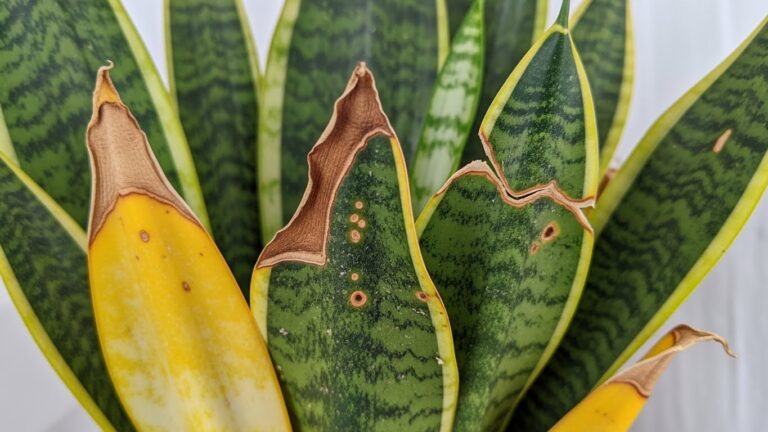
Selecting the right leaf for propagation is essential for successfully growing a snake plant, as a healthy, mature leaf can greatly increase your chances of success. When you’re looking at the leaf characteristics, focus on selecting robust, mature leaves. These leaves should be thick, firm, and vibrant in color, indicating they’re full of life. Avoid any leaves that are discolored or have blemishes, as they might not propagate well. You want a leaf that has developed strength over time, as this will give your new plant the best start possible. Remember, each mature leaf holds the potential for growth, so treat your selection process like a treasure hunt—be patient, and choose wisely!
Leaf Condition Importance
The condition of the leaf you choose for propagation plays a crucial role in determining the success of your new snake plant. To guarantee strong growth, you’ll want to select a healthy leaf. Look for leaves that are firm, vibrant, and free from any signs of damage, like brown spots or wilting. A healthy leaf not only boosts your chances of propagation success but also sets the stage for a thriving plant. Remember, a leaf with good health can provide essential energy and nutrients, making it easier for your new plant to establish roots. So, take your time in selecting the right leaf—your future snake plant will thank you for it! Happy propagating!
Preparing the Leaf Cutting
Preparing a leaf cutting for your snake plant is an exciting step in your plant-growing journey! First, gather your propagation tools, like a clean, sharp knife or scissors. You’ll want to use proper leaf cutting techniques to guarantee a healthy start. Snip a healthy leaf from the base, cutting at a slight angle to maximize surface area for rooting. Aim for a leaf that’s at least six inches long, as this gives your plant the best chance to thrive. After cutting, let the leaf sit for a day or two in a dry, warm spot to form a callus on the cut end. This simple step helps prevent rot when you eventually place it in the soil. Happy propagating!
Choosing the Right Medium for Rooting
Choosing the right medium for rooting your snake plant is essential because it can make or break your propagation journey. You’ll want to select a well-draining mix that keeps your leaf cutting happy without drowning it. A popular choice is a cactus soil blend, which combines potting soil with sand or perlite for extra drainage. Alternatively, you can create your own by mixing regular potting soil with some coarse sand or pumice. This combination provides the right balance, allowing air to reach the roots while retaining just enough moisture. Remember, different soil types can affect growth speed, so be sure to keep an eye on your plant’s progress. Happy planting!
The Importance of Humidity and Temperature
Creating the perfect environment for your snake plant goes beyond just selecting the right soil. Humidity levels and temperature range play essential roles in your plant’s growth. While snake plants are pretty resilient, they thrive best in moderate humidity, ideally between 40-60%. If it’s too dry, their leaves may start to curl.
Humidity Levels | Temperature Range |
|---|---|
40% – 60% | 60°F – 80°F |
Below 40% | Below 60°F |
Above 60% | Above 80°F |
Ideal Range | 50% – 70% |
You want your snake plant to feel cozy, so keep it away from extreme drafts or heat sources. Remember, your little green friend appreciates a gentle touch when it comes to its environment!
Watering Techniques for Leaf Cuttings
When you’re growing snake plants from leaf cuttings, getting the watering right is essential for their success. You’ll want to establish an ideal watering schedule, choose the best container for your cuttings, and watch for signs of overwatering that could harm your plants. Let’s explore these techniques to guarantee your snake plants thrive!
Ideal Watering Schedule
To guarantee your snake plant leaf cuttings thrive, you’ll need to establish the perfect watering schedule. Start by checking the moisture levels in the soil regularly. Aim to water your cuttings every two to three weeks, but adjust based on your specific environment. If you notice the soil is dry a few inches down, it’s time to give them a drink. Always remember, overwatering can lead to root rot, so let the soil dry out between waterings. Keeping an eye on the humidity can also help; if your home is dry, your cuttings may need a bit more love. Finding the right watering frequency guarantees your cuttings stay healthy and happy, ready to grow into beautiful plants!
Watering Container Options
Choosing the right watering container can make a big difference in the success of your snake plant leaf cuttings. Opt for containers made from materials like terracotta or plastic, as they provide good drainage and prevent water from pooling. You’ll want to pay attention to your watering frequency based on the container’s material; terracotta tends to dry out faster, while plastic retains moisture longer. Make sure your container has drainage holes to let excess water escape, which helps keep your cuttings healthy. A small pot is perfect for a single leaf cutting, allowing it to focus its energy on rooting. By choosing wisely, you’ll create an ideal environment for your snake plant to thrive!
Signs of Overwatering
Recognizing the signs of overwatering is essential for the health of your snake plant leaf cuttings, especially since these plants are quite sensitive to excess moisture. If you notice any of these overwatering symptoms, it’s time to take action before root rot sets in:
- Yellowing leaves: This is often the first sign that your plant’s getting too much water.
- Mushy texture: If the leaves feel soft or squishy, that’s a definite red flag.
- Foul odor: A bad smell from the soil typically indicates root rot.
To keep your cuttings thriving, make sure to water sparingly and check the soil moisture regularly. Your attention to these details can help your snake plant flourish!
Signs of Successful Rooting
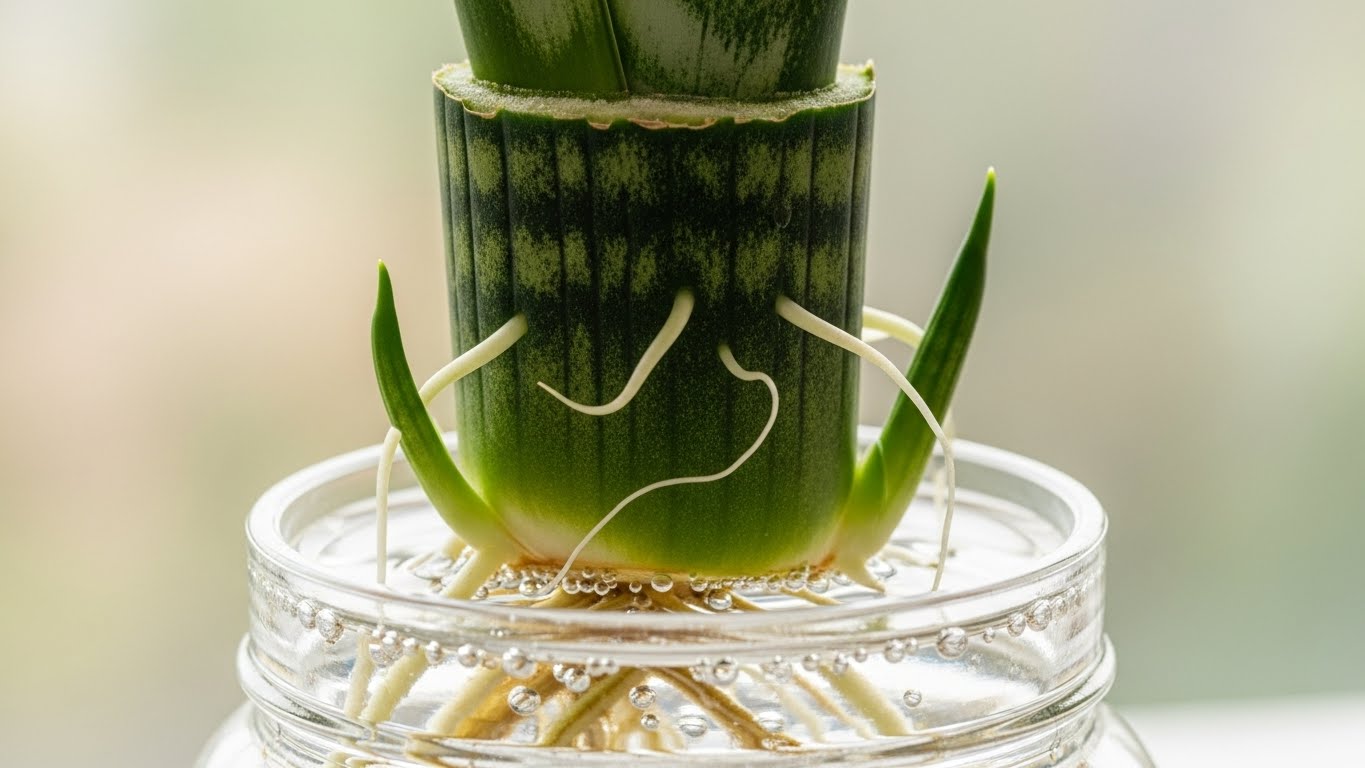
When you’re growing a snake plant from a leaf, spotting the signs of successful rooting can be an exciting moment in your plant journey. Look for tiny roots emerging from the base of your leaf; this is a sure sign of rooting success. If you notice new growth, like a little green shoot, that’s even better! This means your plant is keen to thrive.
For best results, keep your propagation tips in mind, like ensuring the leaf is in bright, indirect light and the soil remains slightly moist, but not soggy. Patience is key, so don’t rush the process. Enjoy watching your snake plant grow, and soon you’ll have a beautiful new addition to your home!
Transplanting Your New Snake Plant
Transplanting your new snake plant is an exciting milestone, especially after you’ve patiently nurtured it from a single leaf. To guarantee a smooth change, consider the transplant timing—do it when your plant shows strong root development. Follow these steps for a successful transplant:
Transplanting your snake plant marks a rewarding journey—timing is key for successful growth and thriving roots.
- Choose the right pot: Select a pot that’s slightly larger than your current container, guaranteeing good drainage.
- Prepare fresh soil: Use a well-draining potting mix to keep your snake plant healthy and thriving.
- Gently remove the plant: Carefully take your snake plant out of its current pot, being mindful of the roots.
Once transplanted, give it some time to adjust to its new home. You’ve done great work; now let your snake plant flourish!
Caring for Your New Snake Plant
Caring for your new snake plant is key to helping it thrive and grow strong. You’ll want to keep an eye on how much water it gets and make sure it’s soaking up the right amount of light. Let’s explore the best practices for watering and lighting to keep your plant happy and healthy!
Watering Guidelines
Watering your new snake plant can feel a bit tricky at first, but once you get the hang of it, you’ll see just how easy it is to keep your plant thriving. Remember, snake plants love to dry out between waterings, so focus on getting the watering frequency just right. Here are some tips to help you master it:
- Check the top inch of soil; if it’s dry, it’s time to water.
- Use well-draining soil to enhance moisture retention without over-saturating.
- Water thoroughly, letting excess drain out, but avoid letting your plant sit in water.
With these guidelines, you’ll nurture your snake plant into a healthy, vibrant companion!
Light Requirements
When you think about growing a snake plant, it’s important to take into account how much light it needs, since this can really affect its health and growth. Snake plants thrive in indirect sunlight, making them perfect for spots where the sun doesn’t shine directly. Aim for a location that offers excellent brightness, like near a window covered with sheer curtains. Too much direct sunlight can scorch those lovely leaves, while too little can stunt their growth. A well-lit room with filtered light is ideal, allowing your plant to soak in just the right amount of energy. Remember, these hardy plants are forgiving, so don’t stress too much—your snake plant will thank you for the care!
Common Mistakes to Avoid in Propagation
Even though propagating a snake plant from a leaf might seem straightforward, many enthusiasts stumble over common mistakes that can hinder their success. Here are some mistake reasons and common misconceptions you should avoid:
- Using the wrong leaf: Not every leaf will root. Choose healthy, firm leaves for the best chance.
- Improper cutting angle: Cutting the leaf straight across can confuse the plant. Instead, angle your cut, mimicking how it grows naturally.
- Neglecting moisture: While you don’t want waterlogged soil, keeping the cutting too dry can lead to failure.
Conclusion
To sum up, you can indeed grow a snake plant from a single leaf, turning your gardening dreams into reality. Curiously, studies show that snake plants can improve air quality by filtering out toxins, making them not just beautiful but beneficial too! By following the steps outlined, you’ll be well on your way to propagating your own snake plant. So grab a leaf, get started, and enjoy watching your new plant thrive in its cozy spot at home!