
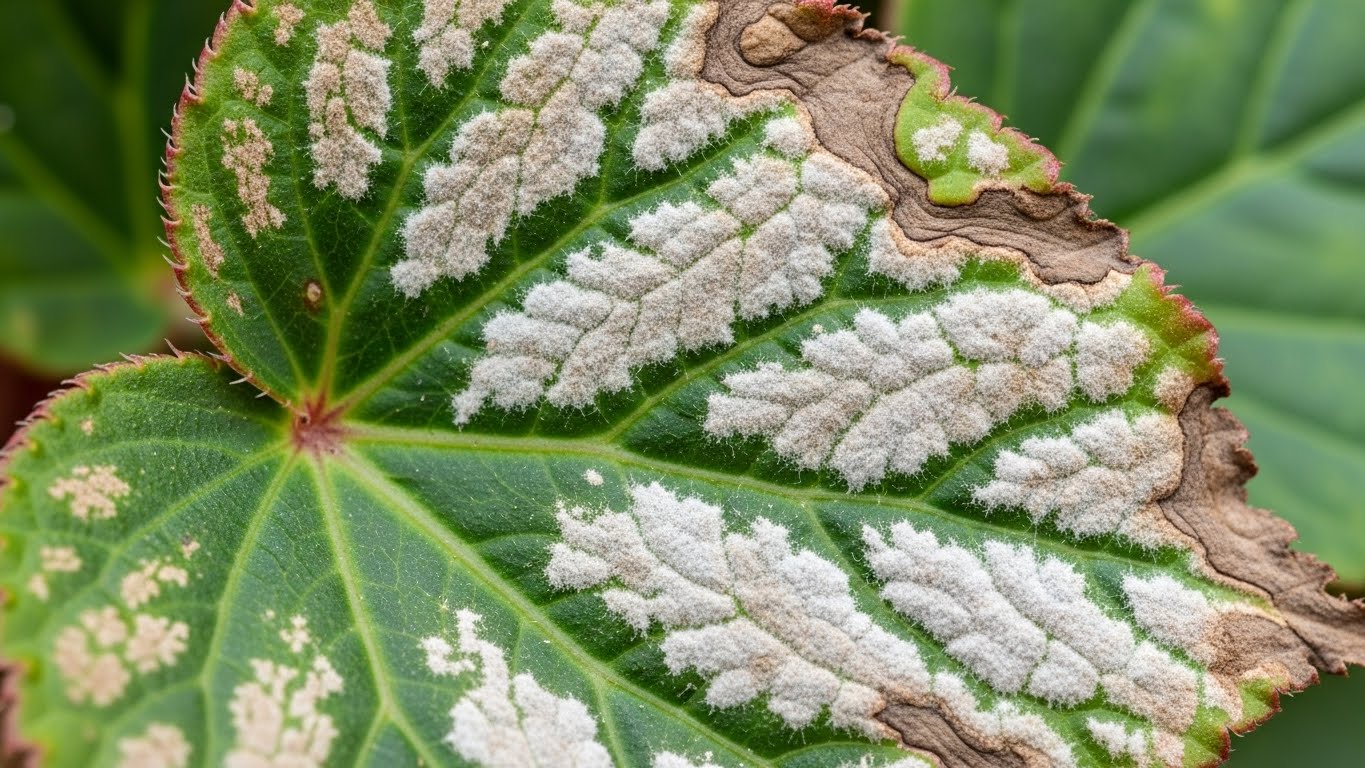
Begonias can face several problems, like yellowing leaves, wilting, pest issues, and leaf drop. Yellow leaves might mean they need nutrients, while wilting suggests they’re thirsty or overwatered. Keep an eye out for pests like aphids—check for webbing or sticky leaves! If growth is slow, it could be due to poor light or temperature. Finally, stable conditions help prevent leaf drop. Address these issues quickly, and you’ll keep your begonias healthy and happy! Find out more tips for a thriving plant.
Key Takeaways
- Yellowing leaves indicate nutrient deficiencies; use balanced fertilizer and check soil pH for optimal nutrient availability.
- Wilting and drooping suggest water stress; ensure proper soil moisture to address dryness or sogginess.
- Inspect for pests like aphids and spider mites; use insecticidal soap or beneficial insects for control.
- Poor growth may stem from nutrient lacks; maintain ideal temperature and humidity for robust development.
- Leaf drop often results from light or temperature issues; ensure stable conditions and excellent soil drainage to support healthy growth.
Yellowing Leaves
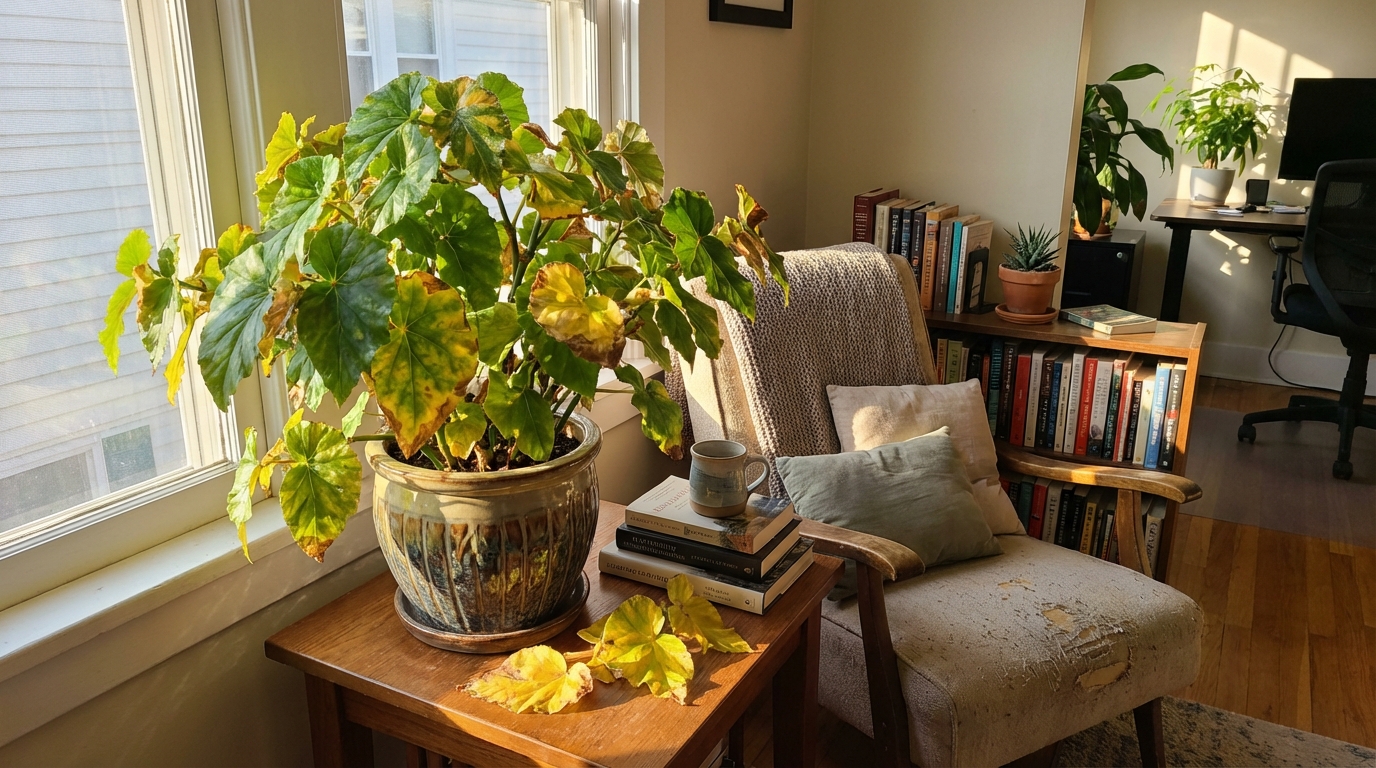
When you notice yellowing leaves on your begonia, it can feel a bit like a mystery waiting to be solved. This leaf discoloration often signals a nutrient deficiency, which can sneak up on even the most attentive plant parents. The most common culprits include nitrogen, magnesium, or iron shortages, each of which plays an essential role in your begonia’s health. To remedy this, you can start by checking your potting mix and ensuring it’s rich in nutrients. If it isn’t, consider using a balanced fertilizer formulated for houseplants. Remember, a little bit of care goes a long way! By addressing these issues promptly, you’ll help your begonia thrive, turning that mystery into a delightful success story. Additionally, keeping an eye on soil pH levels is crucial, as it can directly affect nutrient availability.
Wilting and Drooping
If you’ve noticed your begonia wilting and drooping, don’t panic—this can happen to even the strongest plants! Often, it’s a sign of water stress, meaning your plant might be thirsty or overwatered. Check the soil; if it’s dry a couple of inches down, give your begonia a drink. On the flip side, if the soil feels soggy, you may need to cut back on watering.
Don’t forget about environmental factors, too! Changes in temperature, humidity, or light can also cause wilting. If it’s too hot or too cold, your begonia might be reacting. Make sure it’s in a cozy spot with indirect light, and you’ll see your plant perk up in no time!
Pests and Infestations
As you care for your begonias, it’s essential to keep an eye out for pesky pests that can cause trouble. From aphids to spider mites, these little invaders can harm your plants, so knowing how to spot and deal with them is key. Let’s explore some common pests and share tips on how to prevent infestations and treat them when they occur!
Common Pests Overview
Common pests can wreak havoc on your beautiful begonias, and recognizing them early can save your plants from serious damage. Look out for common culprits like aphids, spider mites, and mealybugs. Pest identification is essential—inspect your leaves closely for sticky residue or webbing, which signals trouble.
You might notice tiny insects clinging to the undersides of leaves, or a powdery substance that could indicate a mealybug infestation. Once you’ve identified the pests, you can explore control methods like introducing beneficial insects or using insecticidal soap. Staying vigilant will help keep your begonias thriving and vibrant. Remember, a little knowledge goes a long way in protecting your beloved plants!
Prevention and Treatment Tips
When it comes to keeping your begonias healthy and free from pests, prevention is your best friend. Start by ensuring you meet their light requirements; they thrive in bright, indirect sunlight. Too much direct sun can stress them and attract unwanted pests. Next, monitor soil moisture carefully—overwatering can lead to root rot and create a haven for bugs. Water only when the top inch of soil feels dry. Regularly inspect your plants for any signs of trouble, like sticky leaves or webbing. If you spot pests, act quickly! You can use insecticidal soap or neem oil as a gentle treatment. Keeping your begonias happy and healthy will help them resist infestations, making your gardening experience a joy!
Poor Growth and Stunted Development
💡 Understanding leaf spot disease is crucial for maintathisng the health of your begonias.
➜ Discover proven techniques
If you’ve noticed your begonias aren’t growing as they should, don’t worry—you’re not alone! Many plant lovers face issues with poor growth or stunted development. First, check for nutrient deficiencies; begonias need a balanced diet of nitrogen, phosphorus, and potassium to thrive. If they’re lacking essential nutrients, their growth can slow down considerably.
Next, consider environmental stress. Factors like extreme temperatures, humidity levels, or insufficient light can hinder your begonias. They thrive in warm, well-lit spaces, so make sure they’re not too hot or cold.
💡 Proper fertilization is key to preventing many begonia problems.
➜ Get the step-by-step guide
With a little attention to their needs, you can help your begonias bounce back. Keep an eye on their surroundings, and soon you’ll see them flourish again!
Leaf Drop
Leaf drop can be a frustrating issue for begonia owners, and figuring out why it happens is key to keeping your plant happy. You might notice leaves falling off for a variety of reasons, from changes in temperature to improper watering. Let’s explore the causes, prevention techniques, and solutions to help your begonia thrive!
Causes of Leaf Drop
Causes of leaf drop in begonias can be puzzling, especially when you’ve put so much care into growing them. Several environmental factors might be at play. For instance, if your plant’s getting too much or too little light, that can stress it out, leading to dropped leaves. Also, sudden temperature changes can shock your begonia, causing it to lose its foliage. Don’t forget about humidity—begonias love a humid environment, and dry air can make them unhappy. Inadequate water or overwatering can also affect leaf care, as both extremes can damage the roots. By understanding these causes, you can better address the needs of your beloved plant and keep it healthy and vibrant.
Prevention and Solutions
To keep your begonia healthy and prevent leaf drop, there are several key steps you can take. First, guarantee your plant has excellent soil drainage; soggy soil can lead to root rot, which causes leaves to fall. You can achieve this by using a well-draining potting mix and selecting pots with drainage holes. Next, be mindful of your fertilizer application. Too much fertilizer can shock your plant, while too little may not provide enough nutrients. Aim for a balanced, water-soluble fertilizer every four to six weeks during the growing season. Finally, keep an eye on humidity and temperature levels, as drastic changes can stress your begonia. By sticking to these tips, you’ll nurture a vibrant, happy plant!
Root Rot
Root rot can be a sneaky villain in the world of begonias, often hiding beneath the surface while wreaking havoc on your plant’s health. If you notice yellowing leaves or a mushy stem, those are root symptoms you shouldn’t ignore. Your plant might be drowning in too much water, leading to this dreaded condition.
To fight back, you’ll need to act quickly. Start by removing the begonia from its pot and inspecting the roots. Trim away any dark, mushy parts, and let the healthy roots dry out before replanting in fresh, well-draining soil. Adjust your watering schedule to allow the soil to dry between drinks. With these treatment methods, your begonia can bounce back stronger than ever!
Conclusion
Taking care of your begonias can be a fun challenge, but knowing how to tackle common problems makes it easier! Did you know that nearly 30% of plant owners struggle with yellowing leaves? By learning to spot issues like pests, wilting, or root rot, you can keep your begonias thriving. Remember, regular check-ups and proper care will help your plants flourish. So, grab your gardening gloves, and give your begonias the attention they need to shine!
💡 Pests can wreak havoc on your begonias, but effective control methods can save your plants.
➜ Master this approach


