
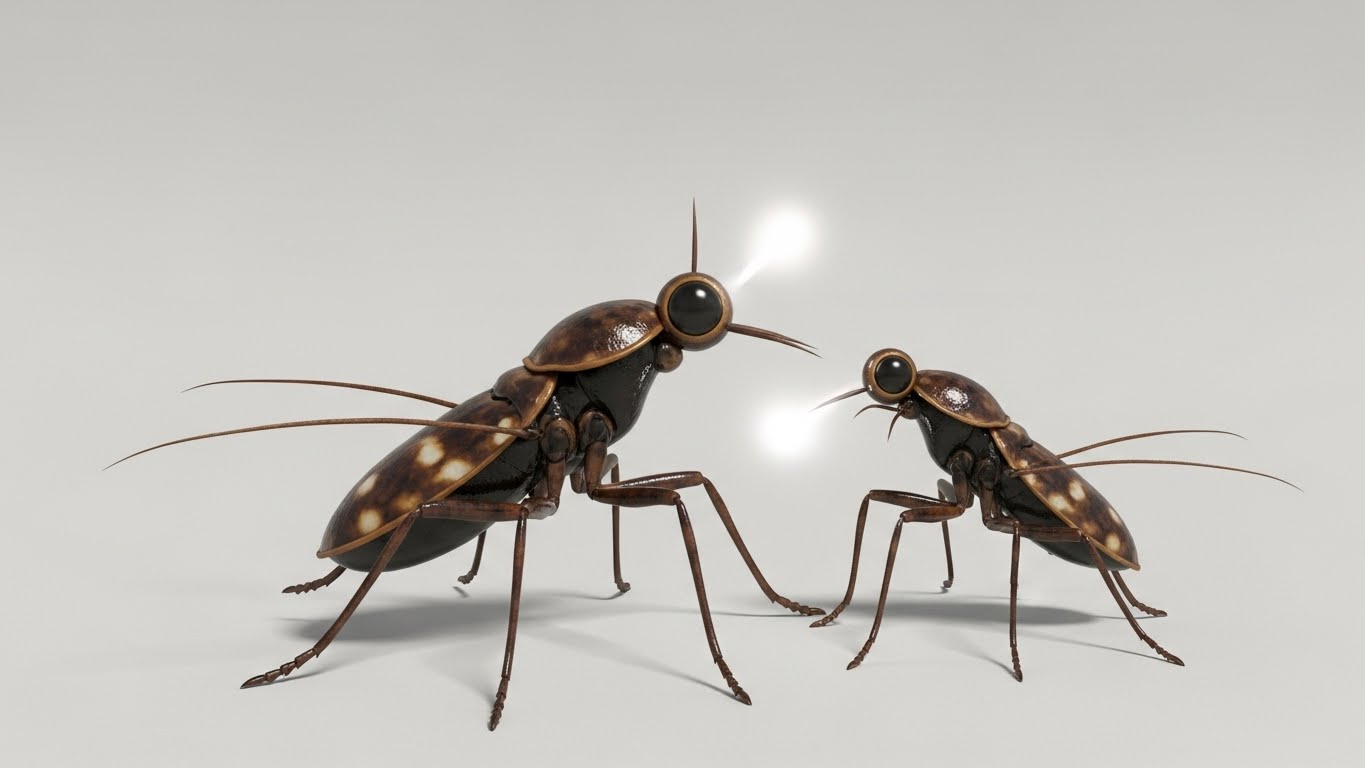
Anthuriums can face pests like aphids, mealybugs, and spider mites. To spot aphids, look for tiny bugs on stems or yellowing leaves. Mealybugs hide in cottony white masses, while spider mites leave yellow speckles and webbing on leaves. For natural remedies, spray neem oil or insecticidal soap, and consider introducing ladybugs to help. Keeping your leaves clean and checking for pests regularly can prevent invasions and keep your plant healthy. Discover more tips to safeguard your anthuriums!
Key Takeaways
💡 Understanding how Anthuriums differ from other popular houseplants can enhance your care routine.
➜ Master this approach
- Identify aphids by their clustered presence, mealybugs by cottony masses, and spider mites by yellow speckles and webbing on leaves.
- Use neem oil or insecticidal soap as natural treatments to disrupt pest life cycles and smother infestations effectively.
- Implement regular inspections and maintain good airflow around plants to prevent pest infestations and promote plant health.
- Water only when the top inch of soil is dry and ensure pots have drainage holes to prevent waterlogging, which attracts pests.
- Enhance humidity by misting leaves and monitoring environmental conditions to reduce pest susceptibility in anthuriums.
Common Pests Affecting Anthuriums
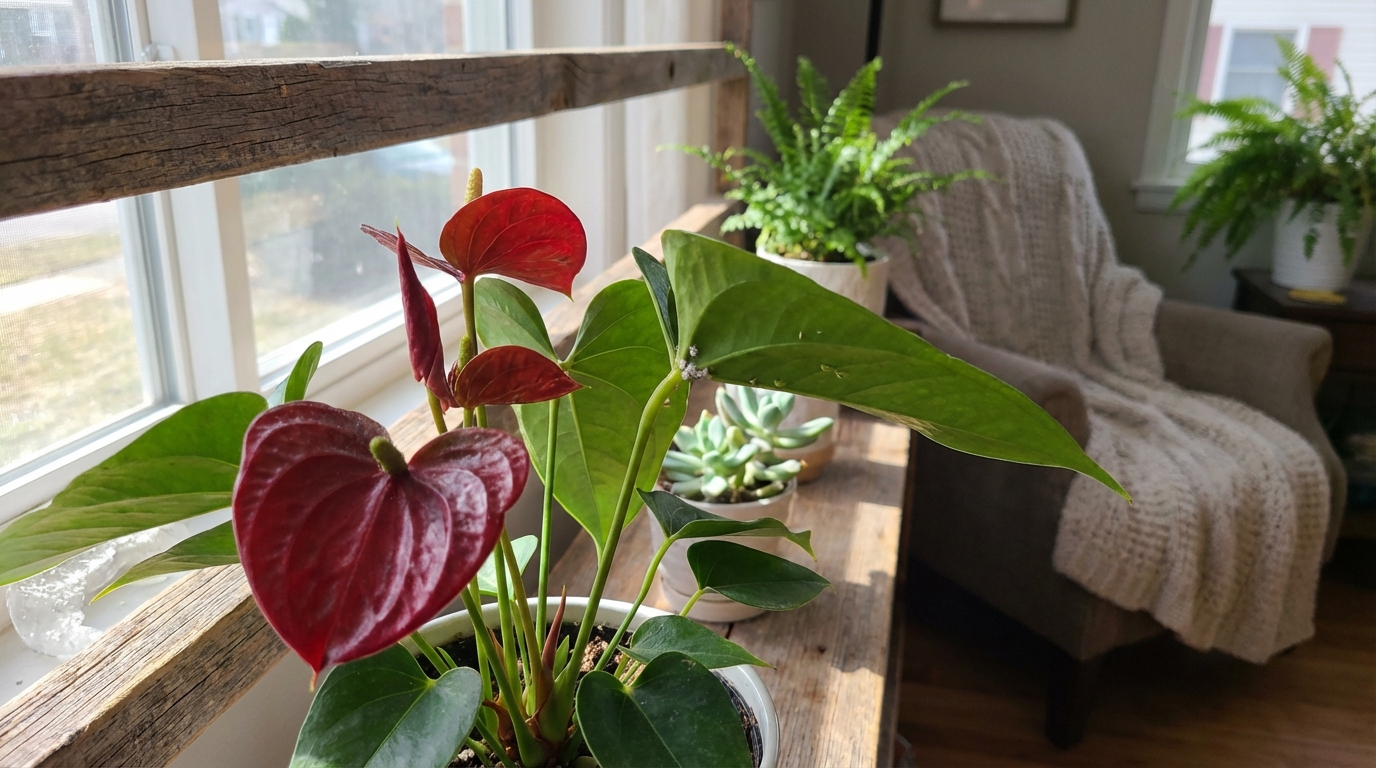
Anthuriums are stunning plants that can brighten up any space, but they can also attract a few pesky pests that want to share in their beauty. You might encounter aphids, mealybugs, or spider mites, each posing unique challenges to your lovely blooms. Effective pest management is key to keeping your anthuriums thriving and vibrant.
Fortunately, you can use organic solutions to tackle these nuisances. Neem oil, insecticidal soap, and diatomaceous earth are fantastic options that won’t harm your plants or the environment. Regularly inspecting your plants and maintaining good airflow can also prevent infestations. Additionally, ensuring high humidity around your anthuriums can make them less susceptible to pest issues. Remember, a little attention goes a long way in ensuring your anthuriums remain the dazzling centerpiece of your home.
Identifying Aphids on Your Anthurium
Have you ever noticed tiny, soft-bodied insects clinging to the stems or leaves of your plants? These little critters are likely aphids. They often appear in clusters, sucking the sap from your Anthurium, which can lead to various aphid symptoms like yellowing leaves, stunted growth, or even a sticky residue known as honeydew. Understanding the aphid life cycle can help you catch them early; they reproduce quickly, with a single female potentially giving birth to dozens of offspring in just a few days. Examine your plants regularly, especially underneath the leaves, where these pests love to hide. If you spot them, don’t worry! There are natural ways to treat aphids, ensuring your Anthurium stays healthy and vibrant.
Recognizing Mealybugs and Their Damage
When you spot cottony, white masses on your Anthurium, it’s time to investigate—those could be mealybugs! These pesky little insects can cause significant damage if left unchecked. Here’s how to nail down mealybug identification and spot their harm:
- Look for clusters of fluffy, white spots on leaves and stems.
- Check for sticky residue or honeydew—a sign they’re feeding.
- Notice any yellowing leaves or stunted growth.
- Examine the soil for tiny, white, waxy bugs.
- Keep an eye out for ants, which often protect mealybugs.
For effective mealybug prevention, regularly inspect your plants, maintain cleanliness, and guarantee good air circulation. Your Anthurium will thrive when you keep these little invaders at bay!
Understanding Spider Mites and Their Impact
Though mealybugs can be a real nuisance, another sneaky pest to watch out for is the spider mite. These tiny creatures can wreak havoc on your anthuriums. Understanding the spider mite lifecycle is essential; they reproduce quickly, laying eggs that can hatch in just a few days. Keep an eye out for spider mite symptoms, like tiny yellow speckles on leaves or webbing hidden beneath foliage. If you spot these signs, act fast! You can treat them naturally with insecticidal soap or neem oil. Remember, the sooner you address the issue, the better your anthurium will thrive. By staying vigilant, you can protect your plant from these pesky invaders and enjoy its beauty all year round!
Signs of Scale Insects on Anthuriums
Recognizing the signs of scale insects on your anthuriums can be essential for keeping your plants healthy and vibrant. These tiny pests can be tricky to spot, but knowing what to look for makes scale insect identification easier. Here are some signs to watch for:
- Sticky residue on leaves, often called honeydew
- Yellowing or wilting leaves
- Small, hard bumps on stems and leaves
- Leaf drop or stunted growth
- A sooty mold that may develop on the honeydew
If you notice these signs, it’s time to act with effective scale insect treatment. Catching them early will help keep your anthuriums thriving, ensuring they continue to bring joy to your space.
Identifying Thrips and Their Infestation
Have you ever noticed tiny, elongated insects darting around your anthurium flowers? Those pesky little creatures are likely thrips, and they can cause significant thrips damage if left unchecked. Understanding the thrips life cycle helps you recognize their presence early. These insects start as eggs, hatch into larvae, and then mature into adults, all while feeding on your plant’s sap. You might see their telltale signs—silvery spots on leaves or black specks of feces. If you spot these signs, it’s essential to act quickly. Keeping a close eye on your plants can save them from serious harm, ensuring your anthuriums stay vibrant and healthy. Don’t let thrips steal your plant’s beauty!
💡 If you’re facing issues with curling or yellowing leaves, understanding the underlying causes is crucial.
➜ Discover proven techniques
Natural Remedies for Aphid Infestations
When you notice tiny, soft-bodied insects clinging to your anthurium, it’s likely that you’re dealing with aphids, which can be a real nuisance. Thankfully, there are natural remedies that can help you regain control without harsh chemicals. Here are some effective options:
💡 Choosing the right pot can significantly impact your Anthurium’s health and resilience against pests.
➜ Explore advanced methods
- Spray your plant with a natural insecticidal soap to smother the pests.
- Use a neem oil treatment, which disrupts aphid life cycles.
- Introduce beneficial insects like ladybugs that eat aphids.
- Mix water with a few drops of dish soap and spray it on affected areas.
- Regularly wash your leaves with water to remove aphids and their honeydew.
With these easy methods, you can keep your anthurium healthy and aphid-free!
Effective Treatments for Mealybugs
Mealybugs can be tricky little pests, but with the right approach, you can effectively eliminate them from your anthurium. Start by mixing a homemade solution of water and dish soap—just a few drops will do. Spray this mixture directly onto the mealybugs, letting it sit for a few hours before rinsing it off. For tougher infestations, consider using natural insecticides like neem oil; it’s gentle on your plant but tough on pests. Don’t forget to check the undersides of leaves, as mealybugs love to hide there. Regularly inspect your plant to catch any new arrivals early. With patience and persistence, your anthurium can be mealybug-free and thriving again!
How to Combat Spider Mites Naturally
Just like mealybugs, spider mites can be a nuisance for your anthurium, but you can tackle them using natural methods that are safe for your plant. Here are some effective strategies to combat these pesky mites naturally:
- Spray with organic neem oil: This natural insecticide disrupts the mites’ life cycle.
- Increase humidity: Spider mites thrive in dry conditions, so a little moisture can help.
- Wipe leaves: Regularly cleaning your leaves with a damp cloth can remove eggs and mites.
- Introduce beneficial insects: Ladybugs and predatory mites can help keep spider mite populations under control.
- Use garlic or pepper sprays: These homemade remedies can deter spider mites without harming your plant.
With these tips, you’ll be able to keep your anthurium healthy and thriving!
Prevention Tips to Keep Pests at Bay
To keep pests away from your anthuriums, it’s essential to focus on proper watering practices and providing ideal light conditions. You’ll want to water your plants just enough to keep the soil moist but not soggy, as overwatering can create a breeding ground for pests. Additionally, placing your anthuriums in bright, indirect light helps them thrive and strengthens their defenses against unwanted invaders.
Proper Watering Practices
When caring for your Anthurium, proper watering practices are crucial, not only for the plant’s health but also for keeping pesky pests at bay. By monitoring soil moisture carefully and adjusting your watering frequency, you can create an environment that’s less appealing to unwanted critters. Here are some tips to help you:
- Water only when the top inch of soil feels dry.
- Use well-draining soil to prevent waterlogging.
- Confirm pots have drainage holes to let excess water escape.
- Mist your Anthurium occasionally to maintain humidity without overwatering.
- Consider the season; plants generally need less water in winter.
These practices will help keep your Anthurium thriving and reduce the risk of pest infestations. Happy watering!
Ideal Light Conditions
Although you might think any light will do for your Anthurium, providing the right lighting conditions is essential for keeping both your plant healthy and pests away. Aim for bright, indirect sunlight; too much direct light can scorch those lovely leaves. Keep an eye on the light intensity—if your Anthurium’s leaves start to yellow or curl, it’s a sign they need some shade. Also, consider the light duration; your plant thrives with about 12-14 hours of light daily. You can use sheer curtains to filter harsh sunlight and create a cozy atmosphere. By ensuring your Anthurium gets just the right amount of light, you’ll help it flourish while minimizing the risk of pesky pests.
Conclusion
To sum up, keeping your anthurium pest-free can feel like a battle against tiny invaders, but you’ve got the upper hand! With your newfound knowledge, you’re ready to outsmart aphids, mealybugs, spider mites, and scale insects. Think of yourself as a superhero, armed with natural remedies instead of capes. So, gear up, stay vigilant, and remember: a happy anthurium is a pest-free anthurium! Your plant will thank you with vibrant blooms, and you’ll enjoy the victory of a thriving garden.
💡 Proper watering is essential for preventing stress that can attract pests.
➜ Get the step-by-step guide


