Snake plants don’t need direct sunlight to thrive! In fact, they prefer indirect light, which helps them grow without risking leaf burn. These resilient plants can survive in low-light conditions, making them perfect for dim corners in your home. So, don’t worry about placing them by a bright window; just make sure they receive filtered light instead. Plus, avoiding direct sun means less stress for your snake plant! Stick around to discover more tips for keeping your plant happy!
Key Takeaways
- Snake plants thrive in indirect sunlight, preferring bright, filtered light for optimal growth and vibrant colors.
- They can survive in low light but do not require direct sunlight to flourish.
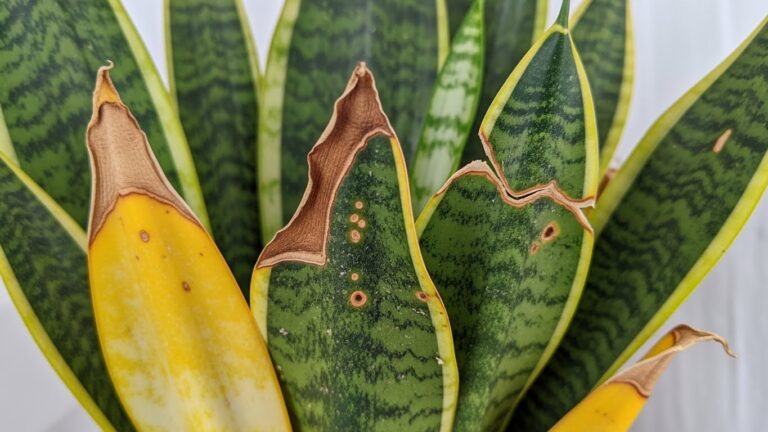
- Direct sunlight can cause leaf burn and harm the plant’s health.
- Signs of light stress include yellowing leaves and stunted growth, indicating a need for more indirect light.
- Consistent care, including proper lighting and minimal watering, is key to keeping snake plants healthy.
Understanding Snake Plant Varieties
While you may already know that snake plants, also called Sansevieria or mother-in-law’s tongue, are popular houseplants, you might be surprised to learn that there are actually several different varieties, each with its own unique characteristics. Some common snake plant types include the classic Sansevieria trifasciata, known for its tall, upright leaves, and the compact Sansevieria laurentii, featuring striking golden edges. Each variety has its own charm and can fit beautifully into your home. When it comes to snake plant care, these resilient plants thrive on neglect, making them perfect for busy folks like you. Just remember to provide well-draining soil and water sparingly, and you’ll have a thriving snake plant that adds a touch of green to your space! Additionally, excellent drainage is crucial for successful cultivation, preventing issues like root rot.
Ideal Light Conditions for Snake Plants
When it comes to light conditions for your snake plant, you’re in luck! These hardy plants can thrive in low light but prefer indirect sunlight for the best growth. By keeping them in bright, filtered light, you’ll help them flourish and maintain their beautiful, upright leaves.
Low Light Tolerance
Snake plants, also known as Sansevieria, are fantastic houseplants for those who might not have the sunniest spaces in their home. One of the most appealing snake plant characteristics is their impressive low light adaptation. They thrive in dim corners, making them perfect companions for bedrooms or offices. You’ll find that these resilient plants can survive with minimal sunlight, allowing you to enjoy their striking, sword-like leaves without worrying about finding the brightest spot in your house. Just be mindful not to overwater them; they prefer a bit of neglect! With their ability to purify the air and their low maintenance needs, snake plants are truly a great addition to your indoor garden, even in low-light conditions.
Indirect Sunlight Preference
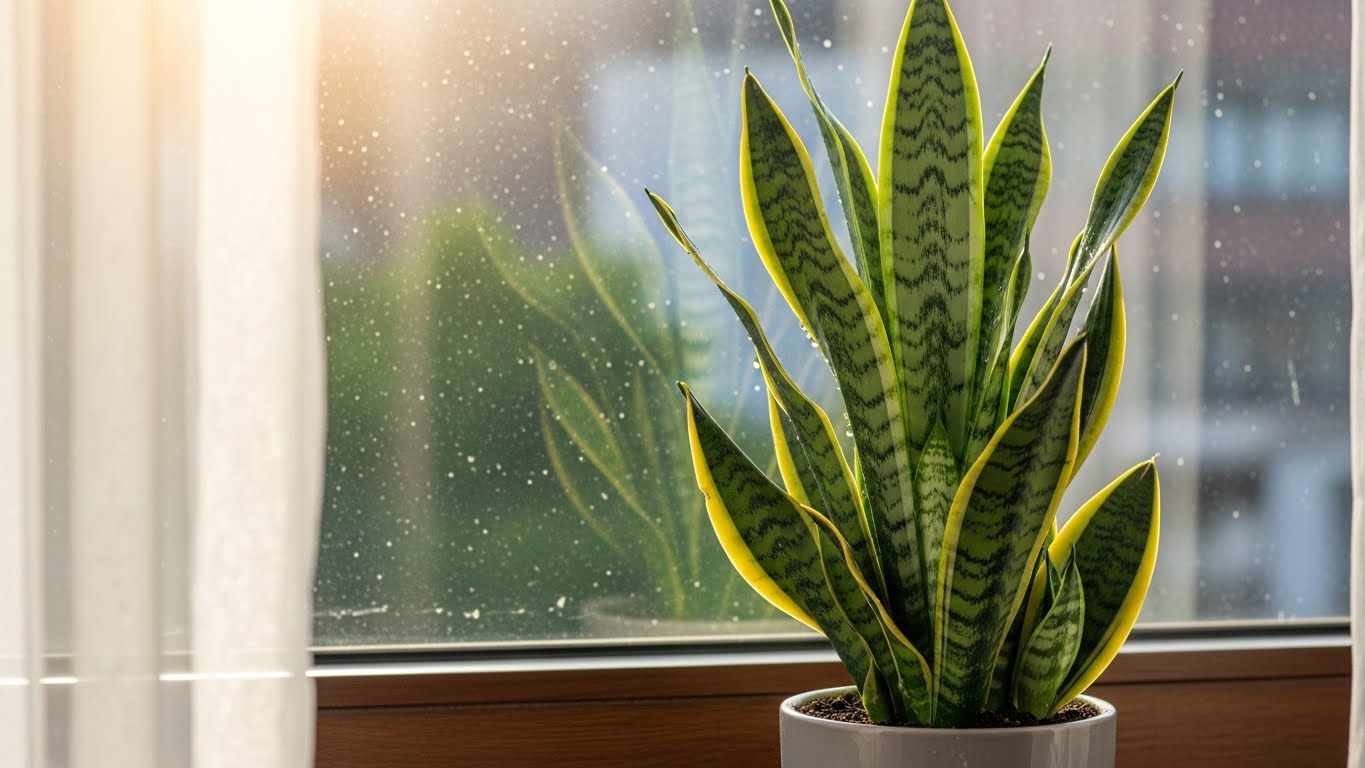
For the best growth, snake plants thrive in indirect sunlight, which means they should be placed in bright, but not direct, light. This kind of lighting creates ideal light conditions, allowing your plant to flourish without the risk of sunburn. One of the great indirect sunlight benefits is that it helps maintain their vibrant colors and unique shapes. You’ll notice how the leaves stand tall and proud, showcasing their beauty. Placing your snake plant near a window with filtered light is perfect. You can also use sheer curtains to soften the sun’s rays. Remember, too much direct sunlight can harm your plant, so finding that sweet spot is key to keeping your leafy friend healthy and happy!
Direct Sunlight vs. Indirect Light
When it comes to sunlight for your snake plant, understanding the difference between direct and indirect light is key. Direct sunlight can be too harsh, leading to burnt leaves, while indirect light offers a gentler glow that keeps your plant thriving. By exploring the benefits of indirect light, you’ll learn how to create the perfect environment for your snake plant to flourish.
Sunlight Requirements Explained
Understanding the difference between direct sunlight and indirect light is essential for keeping your plants healthy and thriving. Direct sunlight exposure means those bright rays hit your snake plant straight on, which can lead to leaf burn. On the other hand, indirect light is softer and filtered, allowing your plant to bask in brightness without the harsh effects of direct sun. For optimal plant health, snake plants prefer bright, indirect light. This balance helps them grow strong without the risk of damage. So, consider where you place your plant. A spot near a window with filtered light is ideal, ensuring your snake plant receives enough sunlight exposure to flourish without the stress of direct sunlight.
Benefits of Indirect Light
While many plants thrive under the bright rays of direct sunlight, snake plants truly shine in indirect light, making them perfect for indoor spaces. The indirect benefits of this type of lighting not only help your snake plant grow but also showcase its beautiful leaves. Plus, their light adaptability means they can thrive in various settings, bringing life to any room.
Here are three key benefits of providing indirect light for your snake plant:
- Healthier Growth: Indirect light prevents leaf burn and promotes steady growth.
- Longer Lifespan: Your plant will thrive longer, enjoying a stable environment.
- Versatile Placement: You can easily place them in less sunny spots without worry.
Embrace the magic of indirect light!
Myths About Snake Plants and Sunlight
Have you ever wondered why so many people believe snake plants thrive only in direct sunlight? It’s a common myth that’s been passed around, but let’s do some myth debunking together! One big sunlight misconception is that these resilient plants can’t survive in low light. In reality, snake plants flourish in indirect light and can even tolerate shade. They’re like that friend who’s just as happy hanging out indoors as they are at the beach. Another misconception is that more sunlight means faster growth, but too much direct sun can actually harm them. So, remember, your snake plant doesn’t need to bask in sunlight to thrive; it just wants your love and a cozy spot in your home!
Signs of Light Stress in Snake Plants
When your snake plant isn’t getting the right amount of light, it can show some pretty clear signs of stress. Recognizing these signs is essential for keeping your plant happy and healthy. Here are three symptoms to watch for:
- Light Discoloration: If the leaves start to turn yellow or brown, it’s a sign they’re not getting enough light.
- Leaf Curling: You might notice the leaves curling inward, which indicates they’re struggling to adjust.
- Stunted Growth: If your snake plant isn’t growing at all, it’s likely craving more sunlight.
Tips for Placing Your Snake Plant
Finding the perfect spot for your snake plant can make all the difference in its growth and overall health. For ideal snake plant placement, choose a location with bright, indirect light. While these plants can survive in lower light, they thrive when they receive enough brightness. Consider placing your snake plant near a window that filters sunlight, like sheer curtains, to guarantee it gets the light it craves without being scorched.
Avoid spots with direct sunlight for extended periods, as that can lead to damage. Additionally, if you’re tight on space, snake plants do well in corners or on shelves, as long as they get sufficient light. Remember, your snake plant will be happier, and you’ll be too!
Seasonal Changes in Light Needs
As the seasons change, so do the light needs of your snake plant. Understanding these seasonal variations is essential for its health and growth. During spring and summer, your plant craves more light, adapting to longer days. In contrast, fall and winter bring shorter days, meaning less direct sunlight. Here’s how to keep your snake plant thriving:
As seasons shift, so do your snake plant’s light needs—adapt its placement for optimal growth and health.
- Spring/Summer: Position it near a bright window, allowing it to soak up that vibrant light.
- Fall: Gradually move it to a spot with indirect sunlight to avoid shock.
- Winter: Keep it near a window but shield it from harsh, cold drafts, ensuring it gets the light it needs for light adaptation.
Common Mistakes to Avoid
Keeping your snake plant healthy requires more than just providing the right amount of light; avoiding common mistakes is just as important. One of the biggest pitfalls is overwatering. Remember, snake plants thrive in drier conditions, so stick to watering every couple of weeks. If you notice yellowing leaves, it’s time to cut back.
Another mistake is neglecting pest management. These resilient plants can still attract mealybugs or spider mites. Regularly check the leaves for any signs of pests and act quickly if you see anything unusual.
Benefits of Low-Light Environments
Low-light environments can actually be a haven for snake plants, allowing them to thrive while adding a touch of greenery to your space. These hardy plants love their low light advantages, and you’ll appreciate how easy they are to care for. Here are three benefits of keeping your snake plant in less sunny spots:
- Improved Plant Health: Your snake plant can grow strong and healthy, avoiding the stress of harsh sunlight.
- Air Purification: They naturally filter toxins from the air, creating a fresher atmosphere for you.
- Aesthetic Appeal: Their lush, upright leaves add vibrant beauty to any room, making it feel more inviting.
Maintaining Healthy Growth Year-Round
To guarantee your snake plant thrives all year long, you’ll need to pay attention to a few key care tips that keep it healthy and happy. First, remember that year-round care includes watering only when the soil is dry, preventing root rot. In spring and summer, your plant may need a bit more sunlight, so consider moving it closer to a window. As the seasons change, make seasonal adjustments by reducing watering in fall and winter when growth slows down. Don’t forget to dust the leaves occasionally to help with photosynthesis. Finally, fertilizing every few months can give it a little boost. With these simple steps, your snake plant will flourish, bringing a touch of green joy to your space!
Conclusion
To sum up, snake plants thrive in indirect light rather than direct sunlight, making them perfect for various indoor spaces. For example, imagine a classroom with a bright window; placing a snake plant a few feet away can keep it healthy and vibrant. By understanding their light needs, avoiding common mistakes, and adapting to seasonal changes, you can enjoy these resilient plants year-round. So go ahead, give your snake plant the best light conditions, and watch it flourish!