
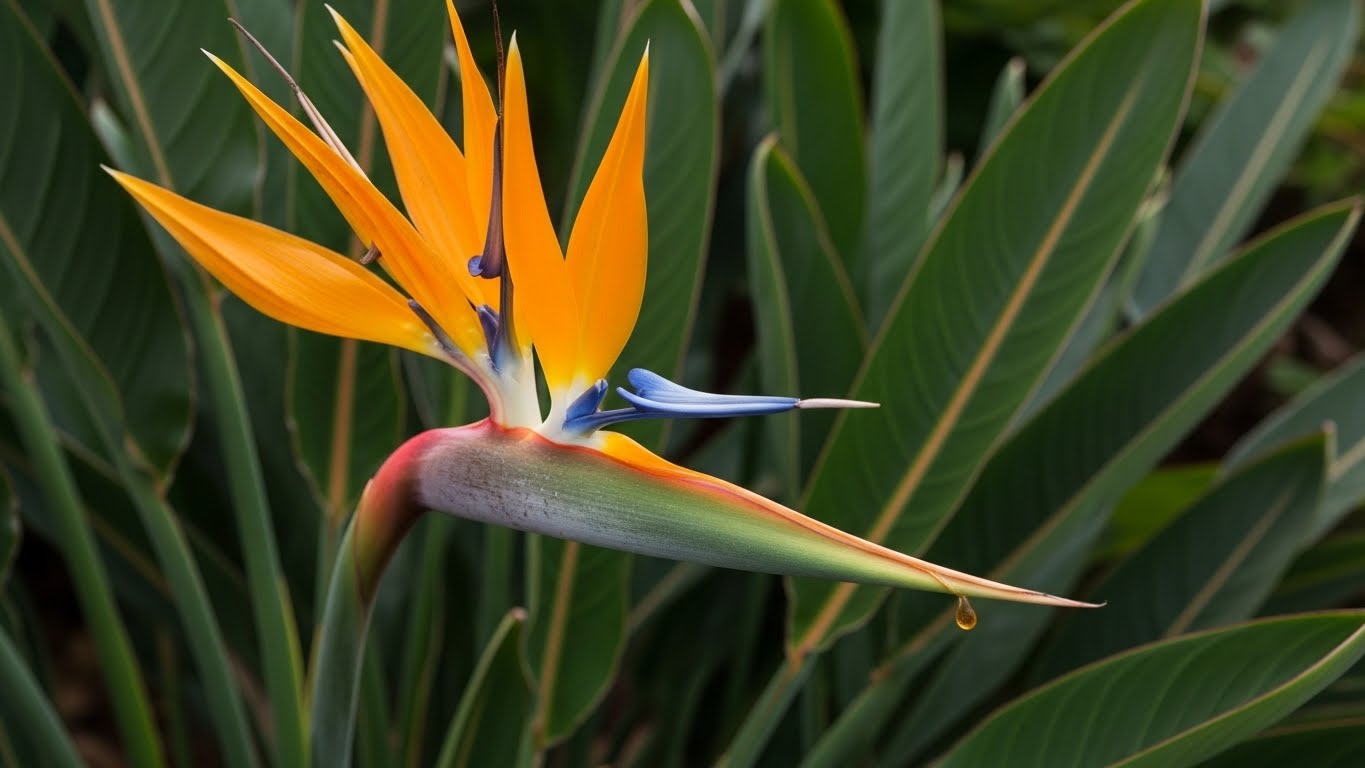
To fertilize your Bird of Paradise effectively, focus on its nutritional needs. Use a balance of nitrogen early for lush growth and switch to potassium and phosphorus later for vibrant blooms. Early spring and mid-summer are the best times to apply fertilizer, while organic options like compost work well over time, and synthetic fertilizers like Miracle-Gro provide quick results. Watch for signs of nutrient deficiency, such as yellow leaves or stunted growth, to keep your plant thriving. Discover even more about enhancing your plant’s health!
Key Takeaways
💡 Choosing the right potting mix is crucial for your Bird of Paradise’s health.
➜ Discover proven techniques
- Use organic fertilizers like compost or bone meal for long-term soil health, or synthetic options like 20-20-20 NPK for quick nutrient uptake.
- Fertilize in early spring to support new growth, mid-summer for optimal blooms, and apply lightly in late summer.
- Apply nutrients through foliar feeding in the morning or late afternoon, or use root drenching for deeper soil penetration.
- Monitor for nutrient deficiency signs such as yellowing leaves, stunted growth, or poor flowering to adjust fertilization accordingly.
- Maintain healthy soil to enhance nutrient absorption and overall plant health for your Bird of Paradise.
Understanding Nutritional Needs of Bird of Paradise
When it comes to caring for your Bird of Paradise, understanding its nutritional needs is essential for keeping it vibrant and healthy. You’ll want to focus on achieving a proper nutrient balance throughout its growth stages. During the early stages, your plant craves nitrogen to promote lush foliage. As it matures, potassium and phosphorus become vital for encouraging those stunning blooms. Regularly observing your plant’s growth will help you adjust its feeding schedule, ensuring it gets the right nutrients at the right time. Don’t forget to check the soil’s quality, too; healthy soil supports nutrient absorption. By nurturing your Bird of Paradise with the right balance, you’ll witness its beauty flourish and thrive, bringing joy to your space. Additionally, consistent fertilization during the growing season is crucial for maintaining nutrient levels and ensuring your plant remains vigorous and lush.
Types of Fertilizers Suitable for Bird of Paradise
Choosing the right type of fertilizer for your Bird of Paradise can greatly impact its growth and flowering potential. You have two main categories to evaluate: organic options and synthetic fertilizers. Organic fertilizers improve soil health over time, while synthetic fertilizers offer quick results.
Here’s a simple comparison:
Type | Benefits | Examples |
|---|---|---|
Organic Options | Enhances soil health, slow release | Compost, Bone Meal |
Synthetic Fertilizers | Fast-acting, precise nutrients | 20-20-20 NPK, Miracle-Gro |
Best Time to Fertilize Your Plant
Timing is everything when it comes to fertilizing your Bird of Paradise. To help your plant thrive, you’ll want to align your fertilization with its growth cycles and seasonal timing. Here are the best times to fertilize:
Timing is crucial for fertilizing your Bird of Paradise, aligning with its growth cycles to ensure optimal health.
💡 Fertilizing is just one part of encouraging growth.
➜ Get the step-by-step guide
- Early Spring: As new growth begins, your plant is ready for nutrients.
- Mid-Summer: This is the peak growing season; a boost in fertilizer will support its vibrant blooms.
- Late Summer: A light application can help sustain energy as growth slows down.
- Fall: Reduce fertilization as your plant prepares for dormancy, but don’t skip it completely.
Application Methods for Effective Fertilization
To guarantee your Bird of Paradise gets the nutrients it needs, you’ll want to contemplate several effective application methods that can make a big difference in its growth. One popular method is foliar feeding, where you spray a diluted fertilizer directly onto the leaves. This allows the plant to absorb nutrients quickly. Just remember to do this in the early morning or late afternoon to avoid leaf burn from the sun.
Another method is root drenching, which involves applying a nutrient solution directly to the soil around the roots. This helps make certain the nutrients penetrate deeply, reaching the plant where they’re needed most. By mixing these methods, you’ll give your Bird of Paradise the best chance to thrive and flourish beautifully!
Signs of Nutrient Deficiency in Bird of Paradise
When you notice your Bird of Paradise isn’t looking its best, it could be trying to tell you something important about its nutrient needs. Keep an eye out for these signs that indicate nutrient deficiency:
- Leaf Discoloration: Yellowing leaves might signal a lack of nitrogen, while browning edges can indicate potassium deficiency.
- Stunted Growth: If your plant seems to be growing slowly or struggling to produce new leaves, it might need more nutrients.
- Poor Flowering: Fewer blooms can suggest that your plant isn’t getting the phosphorus it craves.
- Weak Stems: Soft or spindly stems may indicate a lack of essential nutrients, affecting the plant’s overall strength.
Maintaining Soil Health for Optimal Growth
Maintaining healthy soil is an essential step in ensuring your Bird of Paradise thrives. To do this, focus on the right soil composition. Your plant loves well-draining soil rich in organic matter. Incorporating organic amendments, like compost or well-rotted manure, can work wonders. These additions boost nutrients while improving soil structure, helping roots breathe and grow.
Make sure to check your soil pH regularly, aiming for a slightly acidic to neutral range. Mulching also helps retain moisture and regulate temperature, creating a cozy habitat for your plant. Remember, healthy soil isn’t just about nutrients; it’s about creating a thriving ecosystem. By nurturing your soil, you’re setting the stage for vibrant blooms and lush greenery in your Bird of Paradise.
Conclusion
In summary, fertilizing your bird of paradise can truly make a difference in its growth and vibrancy. Don’t worry if you haven’t done it before—once you understand its nutritional needs and the right timing, you’ll see just how rewarding it can be. By using the right fertilizers and application methods, your plant will thrive, rewarding you with stunning blooms. So, grab that fertilizer and get ready to watch your bird of paradise flourish!
💡 Understanding leaf browning can help you adjust your fertilization strategy.
➜ Master this approach


