
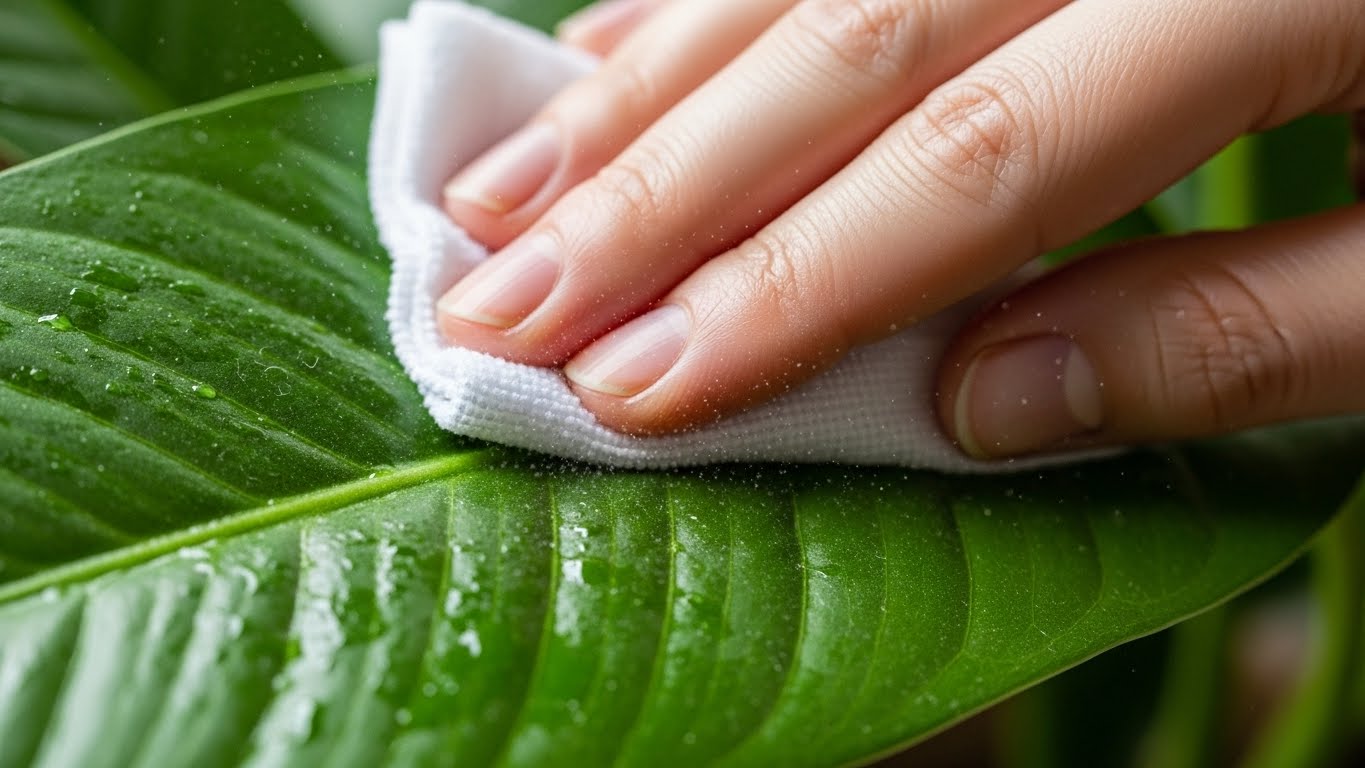
To keep your plants healthy, you should dust them every two weeks. If you live in a dusty area, more frequent dusting can help maintain their vibrancy. Dust blocks sunlight, which is essential for photosynthesis, so regular cleaning supports growth and prevents pests. Keep an eye on seasonal changes too; indoor plants may need extra attention in winter. Want to learn more tips on keeping your plants thriving? Let’s explore!
The Importance of Dusting Your Plants
💡 Dusting helps your plants look good, but if you want them to bloom longer, explore these advanced techniques.
➜ Explore advanced methods
When you think about your plants, you might not realize that dust can be their worst enemy. Dust accumulation on leaves can block sunlight, making it harder for your plant to photosynthesize. This can lead to a decline in their health over time. Regular plant maintenance includes dusting off the leaves to guarantee they can soak up all that precious light. A quick wipe with a damp cloth or a gentle shower can do wonders. Not only does it keep your plants looking fresh, but it also helps them thrive. By incorporating dusting into your routine, you’re showing your plants the love and care they deserve. Remember, a little attention goes a long way in keeping your green friends happy!
How Dust Affects Plant Health
Dust can really mess with your plants’ health in a few surprising ways. When dust builds up on leaves, it blocks sunlight, making it harder for your plants to photosynthesize and grow strong. Plus, a dusty environment can attract pests and affect air quality, so keeping your plants clean is key to their well-being!
Impact on Photosynthesis
Keeping your plants clean isn’t just about looks; it plays a crucial role in their health, particularly in how they perform photosynthesis. Dust accumulates on the leaf surface, blocking sunlight and decreasing photosynthesis efficiency. When sunlight can’t reach the leaves, your plants can’t convert that light into energy as effectively, leading to stunted growth and weakened vigor. It’s like trying to read a book with a smudged page—you miss out on the important details! By regularly dusting your plants, you make certain their leaves stay clear, allowing them to soak up all the sunlight they need. So, grab a damp cloth and give those leaves some love; your plants will thank you with vibrant growth and lush foliage!
Pest Attraction Factors
A surprising number of pests are drawn to dusty plants, turning your beloved greenery into a magnet for unwanted visitors. Dust creates a perfect hiding spot for tiny critters, making pest prevention more challenging. When dust accumulates, it can trap moisture, leading to environmental conditions that pests thrive in, like humidity.
Neglecting to dust means you’re inviting these pests to settle in, which can harm your plants. Regularly wiping down leaves not only keeps your plants looking beautiful but also helps maintain a healthier environment. By staying on top of dusting, you’re reducing the chances of infestations and ensuring your plants remain vibrant. So, grab that cloth and show your plants the love they deserve!
Air Quality Importance
Healthy air quality isn’t just important for us; it plays a crucial role in your plants’ well-being too! Dust can accumulate on leaves, blocking sunlight and reducing photosynthesis. When plants can’t breathe and absorb light properly, their growth suffers. Keeping your plants dust-free not only promotes better air quality but also enhances the many plant benefits you enjoy, like cleaner air and increased humidity.
Air Quality Factors | Plant Benefits |
|---|---|
Clean air | Improved growth |
Reduced dust | Enhanced photosynthesis |
Increased humidity | Healthier foliage |
Fewer pollutants | Better overall health |
Signs Your Plants Need Dusting
Dusty leaves can be a telltale sign that your plants are in need of some TLC. If you notice a fine layer of dust building up on the leaves, it’s time for some plant dusting. Not only does dust make your plants look dull, but it can also hinder their leaf health. Dust blocks sunlight and reduces photosynthesis, which is vital for your plant’s growth.
Other signs include wilting leaves or a general decline in vigor. If your plant seems less lively or has yellowing leaves, it might be crying out for a little cleaning. Remember, keeping those leaves clean isn’t just about aesthetics; it’s essential for your plants’ overall well-being. So, give them the love they deserve!
Best Tools for Dusting Plants
When you realize your plants need a good dusting, having the right tools on hand can make all the difference. Start with microfiber cloths; they’re soft and gentle, perfect for wiping away dust without damaging those delicate leaves. You’ll find they attract dust like magic, making your job easier.
Consider using a small, soft-bristled brush for those hard-to-reach spots or intricate foliage. It’s a handy companion! And don’t forget about natural remedies—mixing water with a few drops of mild soap can help tackle stubborn grime. Just remember to test it on a small area first. With these tools in your arsenal, your plants will shine bright and stay healthy, making your indoor garden truly inviting!
Step-by-Step Guide to Dusting Your Plants
Now that you’ve got the right tools, it’s time to dust your plants! You’ll want to know the best techniques to keep those leaves clean and healthy, so they can soak up all the sunlight and nutrients they need. Let’s break it down into simple steps that make the process quick and easy!
Tools You’ll Need
💡 Understanding how to care for your plants goes beyond just dusting them. Fertilizing is key to their growth.
➜ Master this approach
To give your plants a fresh look, you’ll need a few essential tools that make dusting not just easy, but also fun! First, grab a soft microfiber cloth or sponge; it’s perfect for gently wiping leaves without scratching. Next, a small paintbrush or toothbrush will help you reach those tricky spots where dust likes to hide. Don’t forget a gentle spray bottle filled with water; misting your plants not only refreshes them but also aids in dust removal. Finally, consider using a step stool for those taller plants, ensuring every leaf gets the attention it deserves. With these dusting tools in hand, you’ll elevate your plant maintenance routine and keep your leafy friends looking their best!
Dusting Techniques Explained
💡 Dusting your plants is essential, but what if their leaves start turning brown? Learn how to address this common issue.
➜ Discover proven techniques
Dusting your plants regularly not only keeps them looking vibrant but also helps them thrive by allowing better light absorption. To start, choose your favorite dusting method. For larger leaves, a damp cloth works wonders—gently wipe the surface to remove dust. For smaller leaves, use a soft brush to sweep away debris, ensuring you reach every nook and cranny. If your plants are particularly dusty, consider giving them a gentle shower in the sink with lukewarm water, allowing them to air dry. Remember, this isn’t just a chore; it’s a loving act of plant care. By regularly dusting, you’ll foster healthier, happier plants that can soak up all the sunlight they need!
Frequency of Dusting Indoor Plants
Indoor plants can really brighten up a room, but keeping them dust-free is essential for their health and appearance. You should aim to incorporate plant dusting into your care routine every two weeks. This indoor frequency helps prevent dust accumulation, allowing your plants to breathe and photosynthesize properly. However, if you notice that dust builds up quickly—maybe due to nearby construction or your furry friends—don’t hesitate to dust more often. Pay attention to your plants; they’ll let you know when they need extra care. By staying consistent with your dusting, you’ll not only keep your plants looking vibrant but also contribute to their overall health and happiness. Happy dusting!
Frequency of Dusting Outdoor Plants
While you might think outdoor plants are tough enough to handle the elements, they still need some TLC to thrive, which includes dusting. Outdoor plant care is essential, especially because dust accumulation can block sunlight and hinder photosynthesis. You should aim to dust your outdoor plants every few weeks, depending on your environment. If you live in a dusty area or near busy roads, you might find yourself dusting more often. Use a soft cloth or a gentle spray of water to wipe down leaves, focusing on the undersides where dust loves to hide. Keeping your plants clean not only enhances their beauty but also promotes healthy growth, allowing them to flourish in their outdoor sanctuary.
Seasonal Considerations for Dusting
As the seasons change, so do your plants’ dusting needs, making it important to adjust your routine accordingly. In winter, you might find that dust accumulates more quickly due to indoor heating, while spring is the perfect time for a thorough cleaning to help your plants thrive. Don’t forget summer maintenance, which often includes more frequent dusting to keep your outdoor plants looking their best!
Winter Dusting Needs
When winter rolls around, you might think your plants need less attention, but that’s far from the truth! During this chilly season, indoor air can get dry, making winter humidity an essential factor for your plants’ health. Dust tends to accumulate on leaves, blocking sunlight and reducing their ability to photosynthesize. So, give your plants a little TLC by gently wiping their leaves with a damp cloth every couple of weeks. This not only helps with dust but also guarantees they get the winter light they need. Remember, your plants still rely on you, even when they appear to be hibernating. A little winter dusting can go a long way in keeping them vibrant and thriving until spring arrives!
Spring Cleaning Tips
Spring is the perfect time to give your plants a thorough cleaning and help them shake off the winter dust! As you immerse yourself in your spring cleaning routine, consider these simple plant care tips. First, gently wipe down the leaves with a damp cloth to remove dust and dirt, allowing your plants to breathe and absorb sunlight better. Don’t forget to check for any pests hiding in the nooks. You can also trim any dead leaves or branches to encourage new growth. Finally, give your plants a good shower, letting water wash away any remaining dust and revitalizing them for the warm months ahead. With these steps, your plants will flourish beautifully this spring!
Summer Maintenance Routine
During the summer, you should regularly check your plants for dust buildup, as the warmer weather often leads to increased pollen and dirt in the air. With the summer heat and fluctuating humidity levels, your plants can gather dust more quickly than in other seasons. To keep them healthy and vibrant, consider dusting them once a week. Use a damp cloth or soft brush to gently wipe their leaves, allowing them to breathe better and absorb sunlight efficiently. Remember, clean leaves not only look great but also help your plants thrive. Embrace this routine as a way to connect with your plants, ensuring they flourish during these sunny months filled with life and growth!
Additional Care Tips for Healthy Foliage
To keep your plants thriving and their foliage looking its best, you’ll want to pay attention to a few key care tips beyond just watering and dusting. Here are three simple yet effective practices:
- Fertilizer Application: Regularly feed your plants with a balanced fertilizer during the growing season to provide essential nutrients. This boosts their growth and enhances leaf vibrancy.
- Humidity Levels: Maintain appropriate humidity levels, especially for tropical plants. You can mist them or place a tray of water nearby to keep them happy and hydrated.
- Pruning: Don’t forget to prune any dead or yellowing leaves. This helps direct energy to healthier foliage and keeps your plants looking tidy.
Common Mistakes to Avoid When Dusting Plants
When it comes to dusting your plants, many people unknowingly make mistakes that can hinder their plants’ health and appearance. To guarantee mistake avoidance, be mindful of a few common oversights. First, don’t use harsh chemicals or sprays; they can damage delicate leaves. Instead, stick to a damp cloth or soft brush. Second, avoid dusting outdoors on windy days, as debris can settle back on your plants. Finally, remember to check for pests while you dust; it’s a perfect opportunity to spot any trouble! By paying attention to these details and adjusting your routine, you’ll keep your plant friends happy and thriving. Dusting should be a gentle, loving act, not a chore!
Conclusion
So, dusting your plants might seem like a chore, but think of it as giving them a spa day! Just when you thought plants didn’t need pampering, here you are, wiping away their worries. By keeping them clean, you’re not just boosting their health, you’re also enhancing their looks. Remember, a little dusting goes a long way in helping your leafy friends thrive. Who knew that a duster could be a plant’s best buddy? Happy dusting!
💡 Dusting is just one part of plant care; proper watering is equally important. Ensure you’re not making common mistakes.
➜ Get the step-by-step guide


