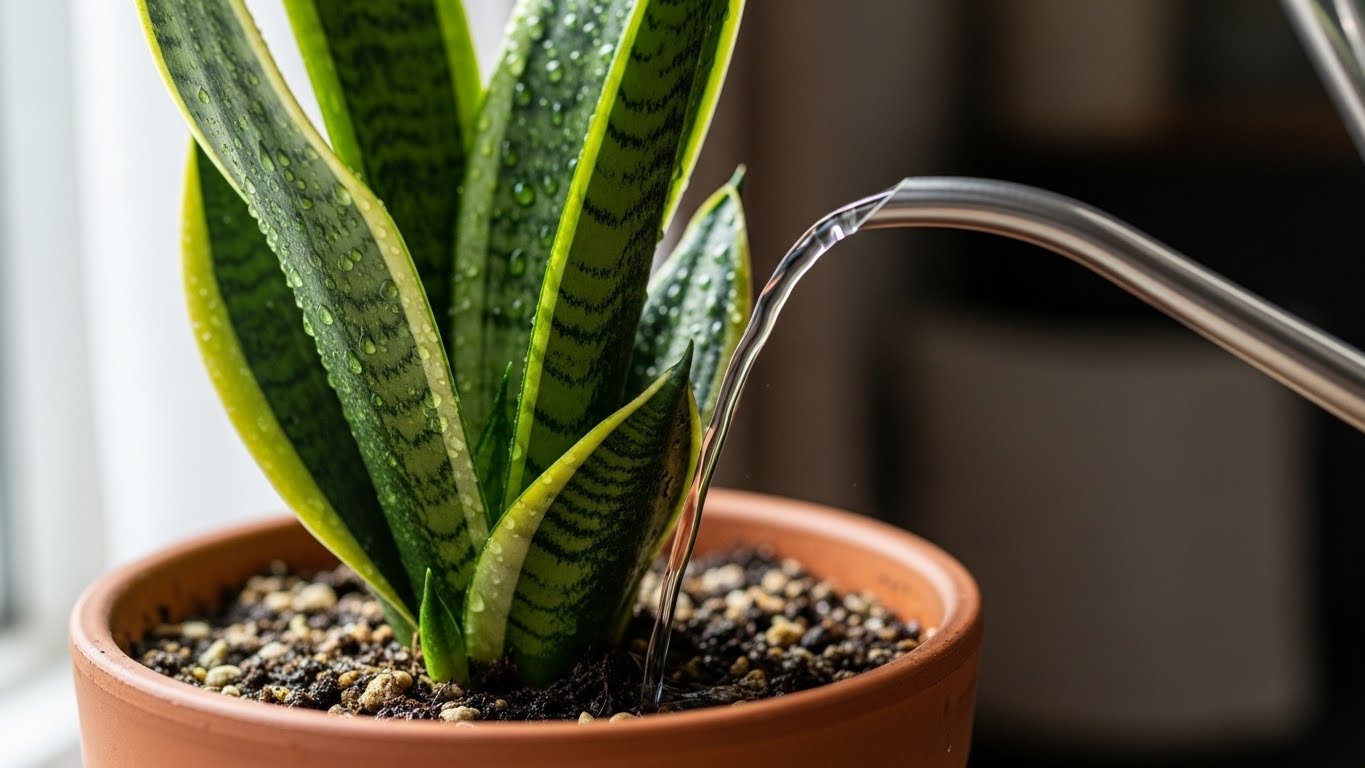
You should water your snake plant every two to six weeks, letting the soil dry out completely between waterings. In spring, water every 2-3 weeks, while in winter, scale back to every 3-4 weeks. Always look for dryness in the top inch of the soil before watering. Remember, it’s better to underwater than overwater! Understanding your plant’s needs can make a big difference, and there’s still more to discover about keeping your snake plant thriving!
Key Takeaways
- Water snake plants every 2-3 weeks in spring during growth, allowing soil to dry out completely between waterings.
- In winter, reduce watering to every 3-4 weeks as they enter dormancy; ensure soil is thoroughly dry.
- Monitor environmental conditions; warmer temperatures may necessitate more frequent watering, while cooler conditions require less.
- Always check the top inch of soil for dryness before watering to avoid overwatering and root rot.
- Use well-draining soil and pots with drainage holes to prevent excess moisture retention in the roots.
Understanding the Snake Plant’s Watering Needs
When you think about caring for a snake plant, understanding its watering needs is essential, especially since overwatering can lead to serious problems. Many people fall for watering myths, believing that these hardy plants need frequent drinks. In reality, snake plants thrive on minimal plant hydration. You should let the soil dry out completely between waterings, which can be every two to six weeks, depending on your environment. Check the top inch of the soil; if it’s dry, it’s time to water. Remember, it’s better to underwater than overwater. This simple routine will keep your snake plant healthy and happy, allowing it to flourish in your home for years to come! Additionally, snake plants are adapted to withstand drought conditions due to their Crassulacean Acid Metabolism (CAM)(https://example.com).
Factors Influencing Watering Frequency
Several factors can influence how often you should water your snake plant, even though it generally prefers a more hands-off approach. Understanding these elements will help guarantee your plant thrives.
Factors like environmental conditions, soil type, and pot size can affect your snake plant’s watering needs for optimal growth.
- Environmental conditions: Your snake plant’s surroundings, like light and humidity, play a big role in plant growth.
- Soil type: Well-draining soil helps manage soil moisture, so it’s essential to choose the right mix.
- Pot size: A larger pot retains more moisture, while a smaller one dries out faster.
Seasonal Watering Guidelines
When it comes to watering your snake plant, understanding the seasons makes a big difference. During the spring, when your plant is in its growth period, it’ll need more water to thrive, but come winter, it’s time to cut back as it enters a dormancy phase. By adjusting your watering routine with the seasons, you’ll help your snake plant stay healthy and vibrant all year long!
Spring Growth Period
As spring arrives and temperatures rise, your snake plant begins to wake up from its winter slumber, making it an exciting time to adjust your watering routine. During this growth period, it’s essential to cater to your plant’s spring watering needs to support its growth requirements.
Here are a few tips to guide you:
- Water more frequently: Aim to water your snake plant every 2-3 weeks, allowing the soil to dry out between waterings.
- Check the soil moisture: Stick your finger into the soil; if it’s dry an inch down, it’s time to water.
- Observe new growth: Keep an eye out for fresh leaves, indicating your plant is thriving and may need a bit more hydration.
Happy watering!
Winter Dormancy Phase
During the winter months, while your snake plant takes a well-deserved break from its busy growing season, it’s essential to adjust your watering routine to match its dormancy phase. During this time, the dormancy effects mean your plant needs less water, so aim to water every 3-4 weeks. Make sure the soil dries out completely between waterings, as overwatering can lead to root rot. For effective winter care, keep your snake plant in a spot with indirect light, avoiding chilly drafts. Remember, your plant is resting and conserving energy, so you don’t want to disturb that. By following these simple guidelines, you’ll help your snake plant thrive and enthusiastically await spring’s return!
Environment and Humidity Considerations
When taking care of your snake plant, it’s important to think about the environment and humidity around it. Ideally, these plants thrive in moderate humidity levels, so keeping them in a spot that isn’t too dry or too damp can really help them flourish. Plus, the temperature in your home can impact how often you water, as warmer conditions might need more frequent hydration than cooler ones.
Ideal Humidity Levels
Have you ever wondered how humidity affects the health of your snake plant? While these resilient plants can tolerate low humidity, they thrive in an environment with moderate humidity levels. To create the perfect atmosphere, you should focus on:
- Humidity Control: Keep humidity levels between 40-60% for ideal growth.
- Humidity Measurement: Use a hygrometer to check your indoor humidity regularly.
- Avoid Overwatering: High humidity doesn’t mean you should overwater; always let the soil dry out between watering.
Temperature Impact on Watering
Understanding how temperature impacts your snake plant’s watering needs is essential for keeping it healthy and thriving. The temperature effects can be significant; warmer climates often mean your plant will need more water, while cooler temperatures slow down its growth, reducing water requirements. If you live in a hot area, check the soil more frequently, as it may dry out faster. On the flip side, in a colder climate, you might find yourself watering less often. Pay attention to these climate variations, as they can directly influence your plant’s health. Remember, your snake plant prefers a warm environment, but too much heat can stress it out. Keep observing, and you’ll find the perfect watering rhythm!
Signs of Overwatering
Overwatering can be a sneaky villain in the life of your snake plant, often hiding its true effects until it’s too late. To keep your plant happy, watch for these overwatering symptoms that signal trouble:
Overwatering secretly harms your snake plant; stay vigilant for signs of distress to keep it thriving.
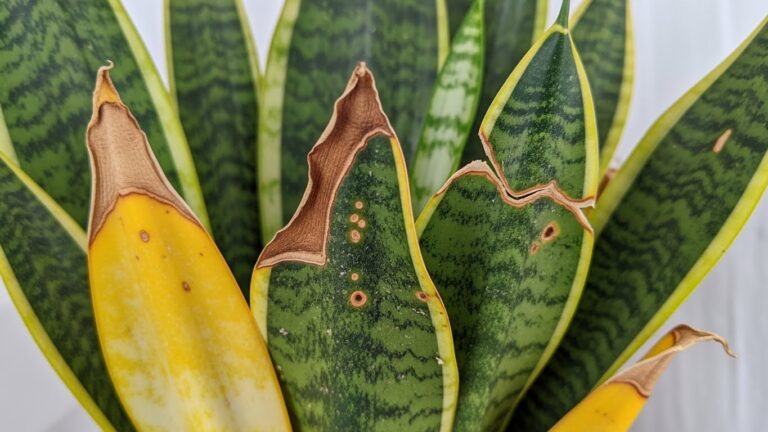
- Yellowing leaves: If the leaves are turning yellow, it’s a sign they’re drowning.
- Soft, mushy leaves: Healthy leaves should be firm; mushiness indicates plant root rot.
- Foul smell: A musty odor from the soil means it’s time to take action.
If you notice any of these signs, it’s essential to adjust your watering routine. Let the soil dry out and guarantee proper drainage. Your snake plant deserves the best, so keep an eye out for these warning signs and act quickly!
Signs of Underwatering
When your snake plant starts to feel a bit thirsty, it can show some telltale signs that you shouldn’t ignore. One of the first underwatering symptoms is the leaves curling or becoming shriveled. You might also notice the tips turning brown, which is a clear sign of plant stress. The leaves may feel limp or soft, instead of their usual firm texture. If you spot any of these changes, it’s time to give your plant a drink! Make sure to check the soil too; if it feels bone dry an inch down, your snake plant is definitely in need of some water. Responding quickly can help revive your beloved plant and keep it thriving!
Soil Type and Its Impact on Watering
When it comes to watering your snake plant, the type of soil you choose plays a huge role in how well your plant thrives. Good drainage is key, as snake plants don’t like their roots sitting in water, while the composition of the soil can vary, affecting how moisture is retained. Plus, the pH level of the soil can influence nutrient availability, so understanding these factors can help you become a better plant parent!
Soil Drainage Importance
Soil drainage plays an essential role in keeping your snake plant healthy and vibrant. The right drainage materials can greatly affect soil aeration, which helps your plant thrive. You don’t want your snake plant sitting in water; it loves its roots to breathe! To guarantee ideal drainage, consider these key points:
- Use well-draining soil: A mix designed for cacti or succulents often works best.
- Add perlite or sand: These materials promote soil aeration and prevent compaction.
- Choose the right pot: A pot with drainage holes allows excess water to escape, keeping your plant happy.
Soil Composition Variability
Understanding how different soil types affect your snake plant’s watering needs is essential for its well-being. The soil composition plays an important role in how quickly water is absorbed and retained. For instance, if you’re using a dense potting mix, it may hold too much moisture, leading to root rot. On the other hand, a lighter soil with good drainage requirements helps prevent overwatering, allowing your plant to thrive. A mixture of potting soil, sand, and perlite can create the ideal environment. Remember, your snake plant loves to dry out between waterings, so always consider the soil type when determining how often to water. Each unique blend can change the game for your green friend’s health!
Ph Level Considerations
While many factors influence how often you should water your snake plant, the pH level of the soil is one of the most essential elements to take into account. The pH measurement affects nutrient availability, which is critical for your plant’s health. If the soil is too acidic or alkaline, your snake plant may struggle to absorb necessary nutrients, leading to poor growth.
Here are a few things to keep in mind about pH levels:
- A pH level between 6.0 and 7.0 is ideal for snake plants.
- Test your soil regularly to maintain the right balance.
- Adjust the pH using amendments if necessary to guarantee your plant thrives.
Keeping an eye on these factors will help you provide the best care for your green companion!
Pot Size and Drainage Importance
When you choose a pot for your snake plant, it’s vital to contemplate both the size and drainage to keep your plant healthy and thriving. A pot that’s too small can restrict root growth, while one that’s too large might hold excess moisture, leading to root rot. Aim for a pot size that allows your snake plant to grow comfortably without crowding.
Don’t forget about drainage holes! They’re important because they allow excess water to escape, preventing soggy soil. Without proper drainage, your plant could suffer. So, when you’re picking a pot, look for one that balances size and drainage. This thoughtful choice helps guarantee your snake plant flourishes and stays vibrant in your home.
Watering Techniques for Snake Plants
Watering your snake plant can be a breeze if you follow a few simple techniques. By using the right watering methods, you can promote healthy growth and enhance moisture retention. Here are some tips to keep in mind:
- Water less frequently: Allow the soil to dry out completely between waterings to prevent root rot.
- Use room temperature water: Cold water can shock the plant, so make sure it’s at a comfortable temperature.
- Water directly at the base: This helps guarantee the roots absorb moisture efficiently without wetting the leaves.
Adjusting Watering Schedule for Different Seasons
Adjusting your watering schedule for snake plants can make a big difference in how they thrive throughout the year. During the warmer months, your plant will need more water due to its active growth, so consider making those watering adjustments every two to three weeks. In contrast, as the temperature drops in fall and winter, your snake plant enters a resting phase. You’ll want to reduce watering frequency to once a month or even less, depending on humidity levels. Pay attention to seasonal changes, and always check the soil moisture before watering. This simple practice helps prevent root rot and keeps your snake plant happy. Trust me, your plant will thank you for these thoughtful adjustments!
Tips for Maintaining a Healthy Snake Plant
To keep your snake plant thriving, it’s essential to pay attention to a few key care tips that can make all the difference. First, make sure you provide your plant with ideal lighting; snake plants prefer indirect sunlight but can tolerate low light. Next, don’t forget about snake plant propagation! You can easily propagate your plant by dividing the roots or cutting leaves and placing them in soil. Finally, monitor the soil moisture; only water when the top inch feels dry to the touch.
Keep your snake plant thriving with ideal lighting, careful propagation, and mindful watering practices.
- Water less in winter to avoid root rot.
- Dust leaves occasionally to keep them clean.
- Rotate your plant every few weeks for even growth.
With these tips, your snake plant will flourish beautifully!
Conclusion
To sum up, watering your snake plant is like giving a friend just the right amount of coffee—too much can make them jittery, while too little leaves them sleepy. Remember to check your plant’s soil and adjust your watering based on the season and environment. With these tips, you’ll keep your snake plant thriving and happy. So, grab your watering can, and enjoy watching your plant flourish!