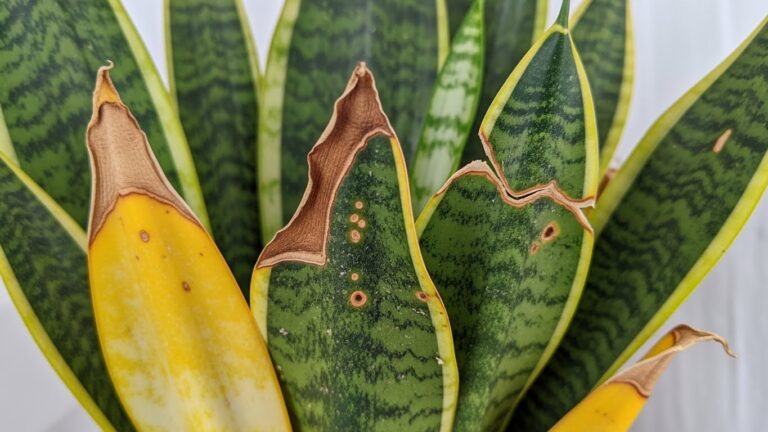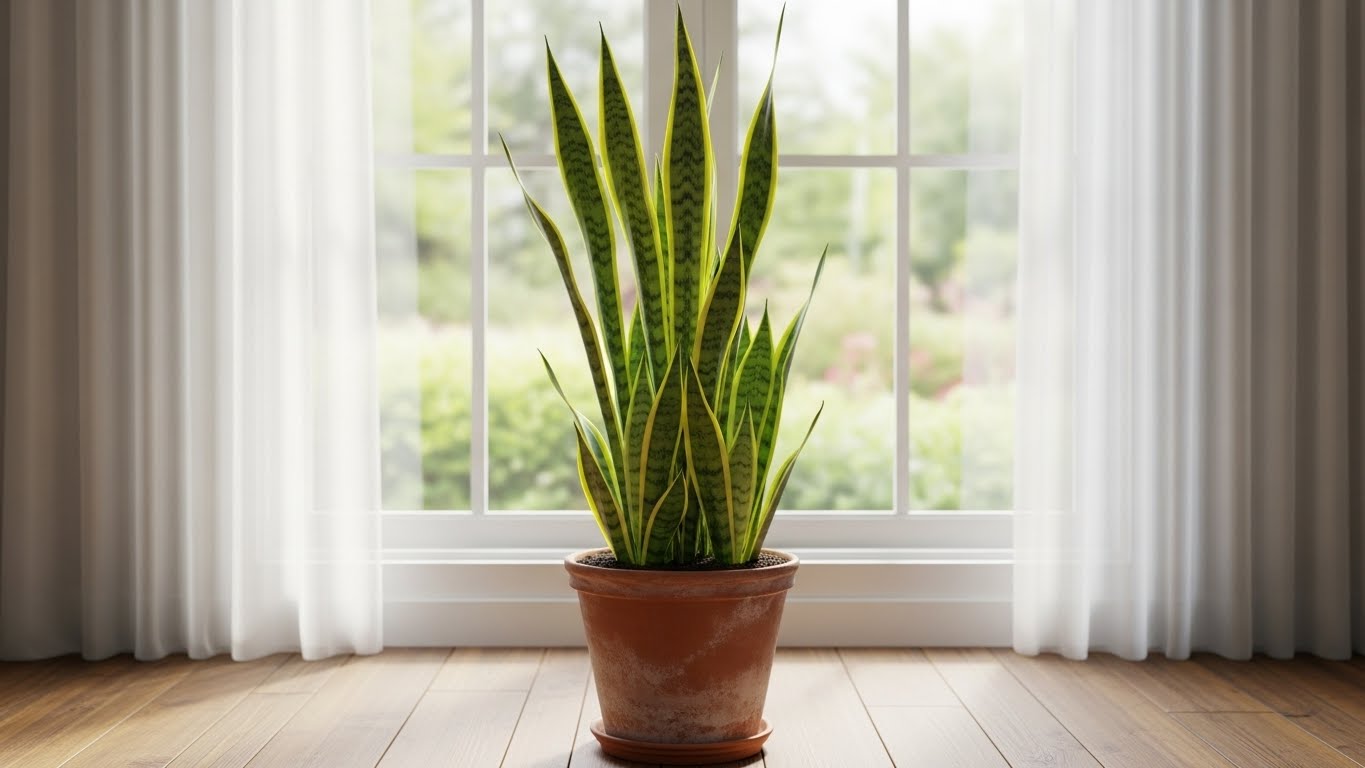
A snake plant typically grows between 1 to 4 feet tall indoors, and the height depends on the variety you choose and how well you care for it. Factors like light levels, watering habits, and pot size play a significant role in its growth. Ideally, you want to provide bright, indirect sunlight and water it every couple of weeks. Keep these tips in mind, and you’ll soon see your plant flourish and thrive to its full potential! If you stick around, there’s even more to discover.
Key Takeaways
- Indoor snake plants typically grow between 1 to 4 feet tall, depending on the variety and care provided.
- Growth height is influenced by environmental factors such as light, temperature, and pot size.
- Optimal growth occurs in spring and summer, with new leaves sprouting during this active growth period.
- Proper watering practices, including allowing soil to dry out, are essential to prevent root rot and promote height.
- Ensuring bright, indirect sunlight for 10-12 hours daily supports healthy growth and maximizes height potential.
Understanding Snake Plant Varieties
When you immerse yourself in the world of snake plants, or Sansevieria, you’ll discover that there are several varieties, each with its unique characteristics. One popular type is the Snake Plant Laurentii, known for its striking green and yellow striped leaves. Another is the Silver Queen, which sports silvery-green leaves, adding a touch of elegance. Then there’s the Zeylanica, featuring tall, upright leaves with a rich green hue. Each snake plant type offers something special, whether it’s color, shape, or size. These plants are not just beautiful; they’re also resilient and low-maintenance, making them perfect for any space. Understanding these snake plant characteristics helps you choose the one that’ll thrive in your home, bringing life to your surroundings. Additionally, all snake plant varieties share excellent drainage requirements to prevent root rot and ensure healthy growth.
Typical Height Range of Snake Plants
When it comes to the typical height of snake plants indoors, you can expect them to grow anywhere from 1 to 4 feet tall, depending on the variety you choose. Factors like light, water, and pot size can really affect their growth, so it’s essential to provide the right conditions. Understanding these elements will help you guarantee your snake plant reaches its full potential!
Average Height Indoors
Snake plants, also known as Sansevieria, typically reach heights of about 1 to 4 feet when grown indoors. This makes them a perfect fit for your indoor gardening adventures. As you nurture your snake plant, you’ll witness its graceful leaves stretching upwards, showcasing that unique architectural beauty. The average height can vary depending on a few factors, but generally, you can expect a sturdy, vibrant plant that enhances your space. With snake plant growth often being easy and low-maintenance, you’ll love how they adapt to various light conditions. Just imagine the joy of watching your snake plant thrive, bringing a touch of nature right into your home. It’s a delightful experience you won’t want to miss!
Factors Affecting Growth
Understanding the factors affecting a snake plant’s growth can help you create the ideal environment for these striking houseplants. When you think about snake plant care, consider light, temperature, and watering. Snake plants thrive in indirect sunlight, so placing them near a window works well. Too much direct sun can scorch their leaves, while too little light might stunt their growth.
Temperature is another key player; snake plants prefer a cozy range between 60°F and 80°F. Finally, over-watering is a common mistake in indoor gardening. Let the soil dry out between waterings to avoid root rot. By tuning into these factors, you can encourage your snake plant to reach its full height potential and brighten up your space beautifully!
Factors Influencing Growth Height
When it comes to how tall your snake plant will grow indoors, several important factors come into play. You’ll find that light conditions, pot size, and watering practices all considerably impact its growth height. Understanding these elements can help you create the perfect environment for your snake plant to thrive!
Light Conditions Impact
Light plays an essential role in how tall your snake plant can grow indoors, and it’s fascinating to see how different conditions can influence its height. The intensity of light you provide directly affects its growth patterns. If you place your plant in bright, indirect sunlight, it’ll thrive and potentially reach impressive heights. However, too little light can lead to stunted growth, leaving your snake plant looking a bit sad and short. Conversely, direct sunlight may scorch its leaves, negatively impacting its health. So, pay attention to the light conditions in your home, as they’re vital to helping your snake plant flourish. With just the right balance, you’ll enjoy a vibrant, tall snake plant that adds beauty to your space!
Pot Size Matters
The size of your pot can greatly influence how tall your snake plant grows indoors, so picking the right one is vital. A deeper pot allows for better root development, giving your plant the space it needs to thrive. If the pot’s too shallow, it might stunt your snake plant’s growth, leaving it looking small and unhappy. Don’t forget about drainage importance; pots with drainage holes help prevent water from pooling, which can lead to root rot. This means your plant can soak up the right amount of moisture without drowning. So, when choosing a pot, consider both pot depth and drainage—these factors play a vital role in your snake plant’s growth height and overall health.
Watering Practices Influence
Watering practices play a significant role in determining how tall your snake plant can grow indoors. If you water too frequently, your plant might struggle with root rot, hindering its growth. On the other hand, infrequent watering can lead to dry soil, limiting height. Aim for a balance that keeps the soil moisture just right!
Here’s a quick guide to help you:
Watering Frequency | Soil Moisture Level | Growth Impact |
|---|---|---|
Every week | Moist | Healthy growth |
Every two weeks | Slightly dry | Moderate growth |
Once a month | Dry | Slow growth |
Every 3-4 weeks | Very dry | Stunted growth |
The Role of Light Conditions
When you’re thinking about how tall your snake plant will grow indoors, you can’t overlook the importance of light conditions. The light intensity in your home plays a vital role in its growth. Snake plants thrive in bright, indirect light but can adapt to lower conditions too. However, if you want to see some real growth acceleration, placing your plant in a spot with ample light will do wonders. Too little light can stunt its height, making it more compact and less vibrant. On the flip side, if you provide just the right amount of light, you’ll notice your snake plant stretching and reaching for the sun, growing taller and healthier in the process!
Impact of Pot Size on Growth
Choosing the right pot size can greatly affect how tall your snake plant grows. A pot that’s too small can restrict its roots, while a pot that’s too big might lead to waterlogging. Here’s what to keep in mind:
Selecting the appropriate pot size is crucial for your snake plant’s growth and health.
- Pot Depth: Make sure it’s deep enough for the roots to spread comfortably.
- Soil Type: Use well-draining soil, as snake plants prefer dry conditions.
- Size Matters: A pot that’s 1-2 inches wider than the root ball usually works best.
- Repotting: Every couple of years, consider repotting to provide fresh soil and more space.
Making these choices can help your snake plant reach its full height potential, creating a stunning indoor display!
Watering Practices for Optimal Growth
Proper watering practices play a significant role in how tall your snake plant can grow indoors. To thrive, it’s essential to balance moisture retention and drainage importance. Water your plant thoroughly, but only when the top inch of soil feels dry. This prevents overwatering, which can lead to root rot. Good drainage is vital—make sure your pot has holes at the bottom! This allows excess water to escape, keeping your plant’s roots healthy. When you water, do it in the morning to give your snake plant a revitalizing start to the day. Remember, these beauties prefer to dry out between waterings, so don’t rush it. With the right care, your snake plant can reach impressive heights!
Nutrient Requirements for Snake Plants
Understanding the nutrient requirements for snake plants is crucial if you want them to reach their full potential. These resilient beauties thrive with the right balance of soil nutrients, making a proper fertilization schedule essential for their growth. Here are four key points to remember:
- Well-draining soil: Use a potting mix designed for succulents to guarantee proper drainage.
- Balanced fertilizer: Every 4-6 weeks during the growing season, apply a balanced, water-soluble fertilizer.
- Reduced feeding: In the winter, cut back on fertilization, as snake plants slow their growth.
- Micronutrients: Look for fertilizers that include micronutrients like iron, magnesium, and manganese for overall health.
With these tips, your snake plants will flourish beautifully!
Seasonal Growth Patterns
When you keep a snake plant indoors, you might notice that its growth patterns change with the seasons, making it fascinating to observe throughout the year. During spring and summer, as the days get longer and brighter, your snake plant will likely enter a growth cycle, sprouting new leaves and reaching for the light. In contrast, when fall and winter roll around, you may see a slowdown. These seasonal changes affect not just how tall your plant grows, but also its overall health. It’s essential to adjust your care accordingly, providing less water in the colder months while still keeping an eye on its light needs. Embrace these shifts, and you’ll enjoy a thriving, vibrant snake plant all year long!
Common Growth Challenges
Even with the right seasonal care, snake plants can encounter a few common growth challenges that might leave you scratching your head. Here are some issues you might face:
- Snake Plant Pests: Watch for pests like spider mites and mealybugs. They can sap your plant’s energy.
- Poor Soil Composition: If your soil retains too much moisture, it can lead to root rot. Make sure it’s well-draining!
- Insufficient Light: While snake plants are tough, they still need some indirect sunlight to thrive. Too little light can stunt growth.
- Overwatering: It’s easy to do! Make sure you allow the soil to dry out between waterings to keep your plant happy and healthy.
Pruning and Maintenance Tips
Taking care of your snake plant not only helps it grow tall and strong, but it can also be a fun and rewarding experience! To keep your plant healthy, follow a regular maintenance schedule. Water it every two to three weeks, allowing the soil to dry out between watering. For pruning techniques, gently remove any yellow or damaged leaves; this helps your plant focus its energy on new growth. Use clean, sharp scissors to make clean cuts, preventing any potential disease. Remember, pruning isn’t just about tidiness; it encourages your snake plant to thrive. So, don’t hesitate to give it a little trim when needed, and watch your greenery flourish right before your eyes!
Encouraging Healthy Growth in Your Snake Plant
To encourage healthy growth in your snake plant, it’s essential to provide the right light and watering conditions. Bright, indirect sunlight is ideal, so make sure to place your plant in a spot where it can soak up that gentle glow. Also, remember that these resilient plants prefer to dry out between waterings, so finding that balance will help them thrive indoors.
Optimal Light Conditions
How can you create the perfect light environment for your snake plant? It’s all about balancing light intensity and light duration. Snake plants thrive in bright, indirect sunlight but can also adapt to lower light conditions. Here are some tips to assist you out:
- Choose the right spot: Place your plant near a window with filtered light.
- Monitor light duration: Aim for at least 10-12 hours of light each day.
- Rotate your plant: This guarantees even light exposure on all sides, promoting balanced growth.
- Watch for signs: If the leaves start to droop or lose color, it might need more light!
With the right light, your snake plant will flourish, growing tall and vibrant indoors!
Proper Watering Practices
When it comes to keeping your snake plant healthy, proper watering practices are essential, especially since overwatering can lead to root rot, a common issue for these resilient plants. To guarantee your plant thrives, always check the soil moisture before watering. Stick your finger about an inch into the soil; if it feels dry, it’s time to water. Aim for a watering frequency of every two to three weeks, but remember that each plant is unique. During the growing season, you might need to water a bit more, while in winter, less is key. By staying attentive to your snake plant’s needs, you’ll promote healthy growth and vibrant leaves that can reach impressive heights indoors!
Conclusion
To summarize, your snake plant can reach impressive heights indoors, typically between 1 to 4 feet, depending on various factors. By providing the right light conditions, choosing an appropriate pot size, and staying on top of maintenance, you can help your plant grow like a green skyscraper! Remember, keeping an eye on its needs will make all the difference. So, get ready to nurture your leafy companion, and watch it thrive in your home!