
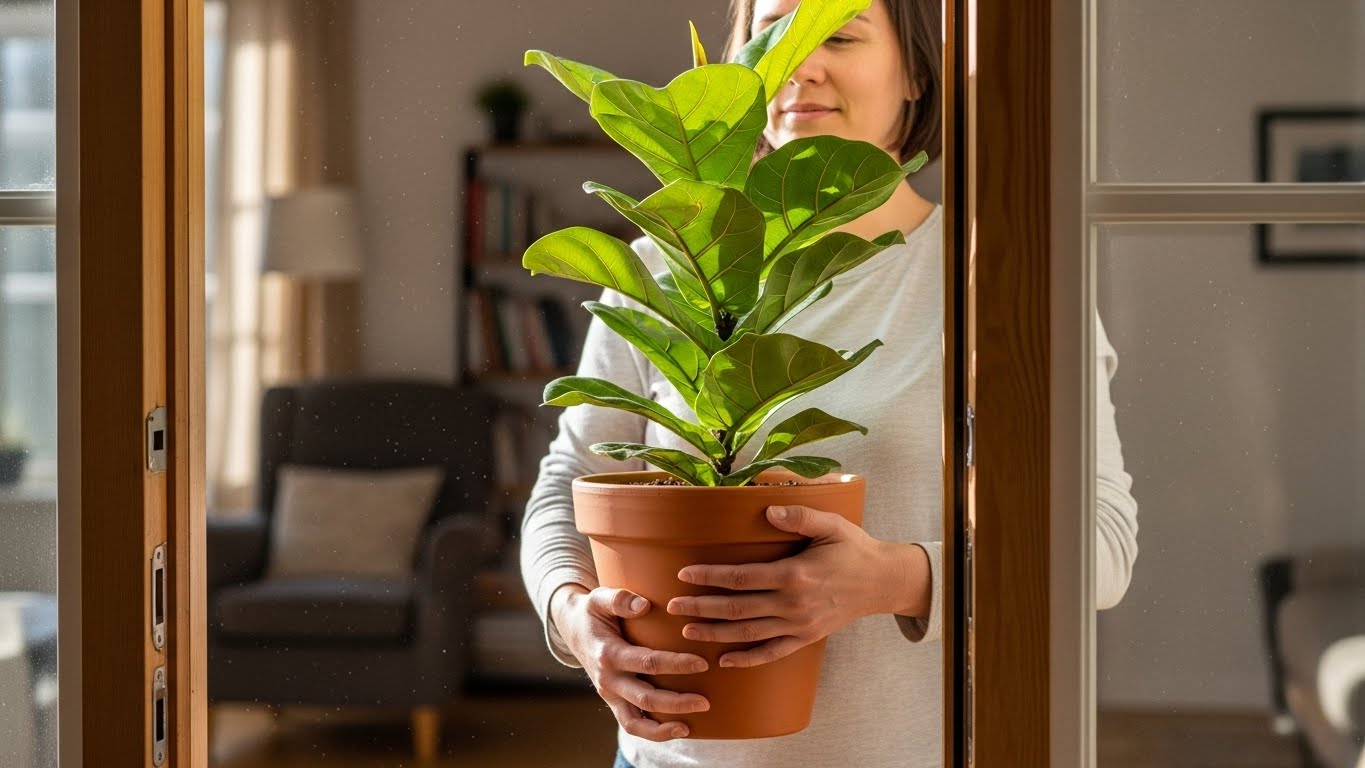
To move a plant without damaging it, start by checking its needs, like light and soil moisture. Choose a good time, ideally in spring or fall, and gather your tools, like trowels and boxes. Water the plant a day before to reduce shock. While transporting, protect roots with cushioning and keep it upright. Once settled in its new spot, monitor it for signs of stress. Want to know more tips for successful plant moving? Keep going!
Assessing the Plant’s Needs Before Moving
💡 If you’re moving a plant, knowing how to repot it properly is crucial.
➜ Get the step-by-step guide
Before you plunge into moving your plant, it’s essential to assess its needs, as this step can make all the difference in ensuring its health during the shift. Start by observing your plant’s growth requirements—does it thrive in bright light or prefer shade? Check its soil moisture; a plant that’s too dry or too wet may struggle during relocation. Take note of its size; larger plants may need special care to avoid damage to their roots. By understanding these factors, you’ll create a smoother shift for your green friend. Prioritize plant health by ensuring it’s stable before moving. This thoughtful preparation not only helps your plant adjust to its new home but strengthens the bond you share with it.
Choosing the Right Time for Relocation
When you’re ready to move your plant, picking the right time is essential for its health and happiness. Consider seasonal changes; spring or early fall often provide the best conditions for relocation, as the weather is milder and plants are actively growing. Additionally, keep an eye on the forecast to avoid extreme heat or cold, which can stress your plant during its shift.
Seasonal Considerations
Choosing the right time to relocate a plant is essential for ensuring its health and thriving in a new environment. You’ll want to take into account seasonal changes, as spring and early fall are ideal for moving your plants. During these times, temperatures are milder, and the plants are typically in their active growth phase, making them more resilient to the stress of relocation. Avoid the heat of summer or the chill of winter, as temperature fluctuations can shock your plant, leading to wilting or even death. Remember, timing is everything! By planning your move around these seasons, you’re giving your plant the best chance to adjust and flourish in its new home, creating a beautiful bond between you and your green friend.
Weather Conditions
As you prepare to move your plant, it’s essential to pay attention to the weather conditions on the day of the relocation. You’ll want to avoid extreme temperature fluctuations, as they can stress your plant. Ideally, choose a day when the temperature is mild, around 60 to 75 degrees Fahrenheit. Additionally, consider the humidity levels; plants thrive in moderate humidity. If it’s too dry or too wet outside, your plant might not adjust well to its new home. Early morning or late afternoon is often the best time to move your plant, as the sun isn’t too harsh then. By keeping an eye on the weather, you’ll help guarantee your plant’s adjustment is as smooth as possible.
Preparing Your Tools and Materials
Before you start moving your plant, you’ll want to gather the right tools and materials to make the process smooth and efficient. Check off an essential tools checklist, which might include pruning shears, a trowel, and gloves, and don’t forget to gather required materials like pots and soil. With everything ready, you’ll be set to tackle the task ahead!
Essential Tools Checklist
When you’re ready to move a plant, gathering the right tools and materials can make the process smoother and more enjoyable. Start with essential tools like a sturdy trowel to dig up the roots without damaging them. You’ll also want some soft cloths or towels to wrap around the plant, protecting its leaves and stems during transit. Don’t forget gloves to keep your hands safe and clean! A bucket or container is vital for transporting the plant, providing a safe space as you move it. Finally, have some water handy to give your plant a drink after the move. With these essentials, you’ll be all set for a successful and stress-free plant relocation!
Required Materials Overview
To guarantee a smooth plant relocation, you’ll need to gather a few key materials that make the process easier and more efficient. First, grab a sturdy plastic or cardboard box, perfect for transporting your plant without damage. You’ll also want some soft packing material, like newspaper or bubble wrap, to cushion your plant and minimize relocation stress. A pair of pruning shears can come in handy for trimming any overgrown branches, while a spray bottle filled with water helps keep your plant hydrated during the move. Finally, don’t forget labels to mark your plants, ensuring you know exactly where each one belongs. With these materials, you’ll be well on your way to successful plant care and a happy, healthy relocation!
Watering the Plant Pre-Move
Watering your plant before a move is essential for keeping it healthy and happy during the changeover. Proper pre-move hydration guarantees your plant has ideal moisture, making it more resilient to the stresses of relocation. Just a little extra care can make a big difference!
Watering Tips | Timing |
|---|---|
Water thoroughly | 1-2 days before moving |
Avoid overwatering | Check soil moisture |
Use room temperature water | Early morning or late afternoon |
Protecting the Plant During Transit
After you’ve given your plant a good drink, it’s time to think about how to keep it safe during the move. You want to guarantee that your plant arrives at its new home healthy and happy. Here are some tips for protecting your green friend with proper plant cushioning and secure transport:
- Use a sturdy box: Choose a container that fits your plant snugly.
- Add cushioning: Place crumpled newspaper or bubble wrap around the plant to absorb shock.
- Avoid direct sunlight: Cover the plant lightly to shield it from harsh light.
- Keep it upright: Guarantee the box stays upright during transport.
- Check the temperature: Avoid extreme heat or cold to keep your plant comfortable.
With these steps, your plant will be ready for its new adventure!
Handling Different Types of Plants
When it comes to moving plants, understanding the specific needs of different types can make all the difference in ensuring their survival during the change. Indoor plants, like peace lilies and pothos, are sensitive to shifts in light and temperature. When moving them, try to keep their environment stable, avoiding drastic changes. For outdoor plants, like perennials or shrubs, it’s important to take into account their root systems. Gently dig around the roots, making sure to keep as much soil attached as possible. Don’t forget to water them well after the move, as this helps reduce shock. By paying attention to each plant’s unique requirements, you’ll help them thrive in their new home, creating a happier space for both you and your leafy friends!
Techniques for Potting and Repotting
When it comes to potting and repotting your plants, there are a few key techniques you’ll want to master. First, you’ll need to choose the right pot that fits your plant’s needs, then prepare the soil to give it a healthy start, and finally, handle the root system with care to guarantee a smooth changeover. By following these steps, you can create a thriving environment for your plant to flourish!
💡 Understanding root health is vital when relocating plants.
➜ Discover proven techniques
Choosing the Right Pot
Choosing the right pot is essential for your plant’s health and happiness, so let’s explore some key considerations. When selecting a pot, keep in mind the following:
💡 After moving your plant, you might notice changes in its leaves.
➜ See how to implement this
- Pot size: Make sure it’s big enough for your plant’s root system but not too large.
- Drainage holes: Look for pots that have adequate drainage to prevent root rot.
- Material: Choose between clay, plastic, or ceramic based on your plant’s needs.
- Weight: Consider how heavy it’ll be once filled with soil and a plant.
- Aesthetics: Pick a pot that matches your style and complements your home.
Preparing the Soil
Now that you’ve picked the perfect pot for your plant, it’s time to focus on preparing the soil, which plays a vital role in your plant’s growth. Start by choosing the right soil types; a good mix of potting soil and organic matter creates a nurturing environment. Consider using soil amendments like compost or perlite to improve drainage and nutrients. If your plant thrives in well-draining soil, add sand or vermiculite to your mix. Remember, different plants have different needs, so tailor your soil accordingly. As you prepare, think of it as a cozy home for your plant, ensuring it gets the best start possible. With the right soil, your plant will flourish and thrive in its new space!
Handling Root Systems
Handling root systems is essential for potting and repotting your plants successfully, and mastering a few techniques can make all the difference. By paying attention to your plant’s roots, you help guarantee its soil health and overall growth. Here are some tips for handling root systems:
- Gently loosen the root ball before potting.
- Avoid tearing roots; instead, use clean cuts for root pruning.
- Remove any dead or damaged roots to encourage new growth.
- Use fresh, nutrient-rich soil to promote healthy roots.
- Water thoroughly after repotting to help settle the soil.
Creating a Suitable Environment in the New Location
While moving your plant can be exciting, ensuring it thrives in its new home is essential. Start by evaluating the light requirements of your plant. Does it prefer bright, indirect sunlight or low light? Make sure to place it in a spot that meets these needs. Next, consider the humidity levels. Some plants love a humid environment, while others prefer drier air. If your new location is too dry, you might want to mist your plant or place it on a tray filled with water and pebbles to boost humidity. By creating a suitable environment tailored to your plant’s specific needs, you’ll help it adjust and flourish in its new surroundings, making this move a success!
Gradual Acclimatization to New Conditions
After setting up a suitable environment for your plant, it’s time to think about how to help it adjust to its new surroundings. Gradual acclimatization is key for successful plant adaptation, especially when facing environmental changes. Here are some steps you can take:
Gradual acclimatization is essential for your plant’s successful adaptation to its new environment.
- Introduce it slowly: Place the plant in its new spot for a few hours each day before leaving it full-time.
- Monitor light exposure: Guarantee it receives the right amount of sunlight gradually.
- Adjust watering: Keep an eye on its moisture needs, as they might change.
- Control temperature: Keep it away from drafts or heating vents.
- Be patient: Give it time to settle in; changes can be stressful for your green friend!
Embrace the journey together!
Monitoring the Plant After the Move
Once you’ve moved your plant, keeping an eye on its well-being is super important! Monitoring your plant during its stress recovery phase guarantees it adjusts well to its new surroundings. Check for signs of wilting, yellowing leaves, or stunted growth. Remember, post-move care is crucial!
Here’s a quick table to help you remember key aspects of monitoring:
What to Check | Frequency |
|---|---|
Soil moisture | Every few days |
Light exposure | Daily |
Temperature | Weekly |
Fertilization needs | Monthly |
Common Signs of Stress to Look For
Monitoring your plant’s health is just the beginning; understanding the common signs of stress is equally important. When you move a plant, it can face various challenges, so keep an eye out for these signs:
- Leaf discoloration issues: Yellow, brown, or droopy leaves can indicate stress.
- Wilting: If your plant looks sad and limp, it’s time to investigate.
- Slow growth: Stunted growth often means your plant is struggling.
- Root disturbance signs: Check for roots peeking out or rotting; it’s a cry for help.
- Pest activity: Unwanted visitors can stress your plant further.
Tips for Moving Outdoor Plants
Moving outdoor plants can be a rewarding adventure, but it requires some careful planning to assure your green friends thrive in their new home. Here are some essential plant relocation strategies to keep in mind:
Step | Action | Tips |
|---|---|---|
Prepare | Water your plants a day before | Helps reduce shock during the move |
Digging | Use a spade to dig around roots | Aim for a wide root ball |
Transporting | Secure plants in a sturdy box | Protects from wind and jostling |
Replanting | Choose a good spot and water well | Ensures outdoor plant care |
Utilizing Professional Help for Large Plants
When it comes to relocating larger plants, you might find that enlisting the help of professionals can make the process much smoother and less stressful. These experts specialize in large plant transport, ensuring your green friends arrive safely at their new home. Here’s why professional moving services can be a game changer:
- They have the right equipment to handle heavy plants.
- Their experience minimizes the risk of damage.
- They know the best techniques for safe transport.
- They can provide guidance on plant care during the move.
- They save you time and energy, letting you focus on other tasks.
Conclusion
Moving a plant can be a fun adventure if you approach it with care! Did you know that nearly 90% of houseplants suffer from transplant shock? By following the tips we discussed—like evaluating the plant’s needs and protecting it during transit—you can minimize stress and help your green friend thrive in its new home. So, get ready to dig in and enjoy the process, knowing you’re giving your plant the best chance for a smooth changeover!
💡 Proper watering is crucial after relocating your plant.
➜ Master this approach


