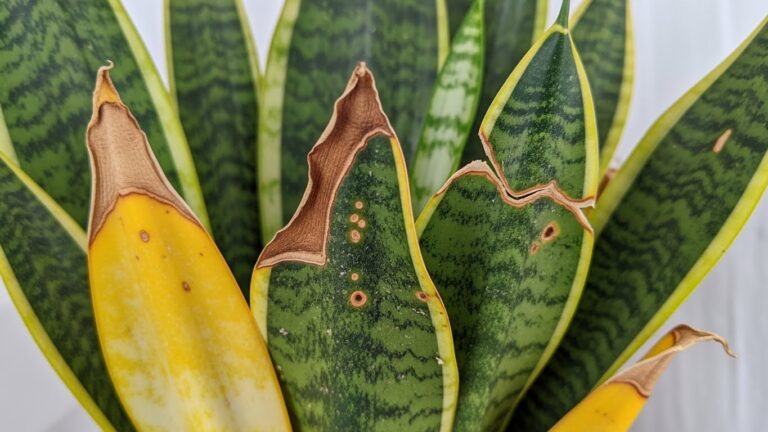
The Snake Plant, or Sansevieria, is a stunning addition to your home, but it’s not entirely safe for pets. It contains saponins, which can upset your furry friends’ stomachs if ingested, leading to symptoms like vomiting and diarrhea. To keep your pets safe, place the plant out of reach and watch for any nibbling. Don’t worry too much, as severe harm is rare! Want to learn more about caring for your plant in a pet-friendly way?
Key Takeaways
- The Snake Plant contains saponins, which are toxic to pets and can cause gastrointestinal upset if ingested.
- Symptoms of ingestion include vomiting, diarrhea, loss of appetite, and excessive drooling in both dogs and cats.
- It’s crucial to keep the Snake Plant out of reach of curious pets to prevent accidental ingestion.
- Although the risk of severe harm is low, monitoring your pet’s behavior around the plant is essential.
- Consult a veterinarian immediately if you suspect your pet has ingested any part of the Snake Plant.
Overview of the Snake Plant
The Snake Plant, also known as Sansevieria or Mother-in-Law’s Tongue, is a fascinating houseplant that has captured the hearts of many plant lovers. With its tall, sword-like leaves that can reach up to four feet, it’s hard not to admire its striking appearance. You’ll find various snake plant varieties, like the popular Laurentii, which showcases vibrant yellow edges, or the smaller Hahnii, perfect for tabletops. One of the most appealing snake plant characteristics is its ability to thrive in low light and require minimal water, making it a perfect companion for busy lifestyles. This resilient plant not only adds beauty to your home but also embodies the essence of easy-care greenery, inviting you to nurture and enjoy its unique charm. Additionally, the excellent drainage required for successful cultivation is crucial to prevent root rot, a common issue with snake plants.
Common Uses and Benefits
Whether you’re looking to beautify your living space or improve your indoor air quality, the Snake Plant offers a variety of uses and benefits that make it a popular choice among houseplant enthusiasts. Here are some common uses and health benefits you’ll love:
- Air Purification: It helps filter toxins from the air.
- Low Maintenance: This plant thrives on neglect, making it perfect for busy lifestyles.
- Decorative Appeal: Its striking leaves add a touch of elegance to any room.
- Improved Humidity: It naturally increases humidity levels, which can help with dry skin.
- Sleep Aid: By converting CO2 into oxygen at night, it may enhance your sleep quality.
With a Snake Plant, you’re not just adding beauty, but also a healthier environment!
Toxicity Levels in Plants
When you bring plants into your home, it’s essential to know their toxicity levels, especially if you have pets. Understanding plant toxicity can make a big difference in keeping your furry friends safe. Some plants are harmless, while others can cause mild to serious health issues. By doing a little research, you’ll discover which plants pose risks to your pets. For instance, certain common houseplants may cause stomach upset, drooling, or even more severe reactions. Always prioritize pet safety by choosing non-toxic options or placing potentially harmful plants out of reach. Your pets depend on you to create a safe environment, so knowing about plant toxicity is a vital part of responsible pet ownership.
Snake Plant Toxicity: What You Need to Know
Many pet owners might be surprised to learn that the popular Snake Plant, also known as Sansevieria, can pose some risks to their furry companions. While you might love its air-purifying snake plant benefits and easy snake plant care, it’s essential to be cautious.
Many pet owners may not realize that the beloved Snake Plant can be harmful to their furry friends.
Here are some key points about its toxicity:
- Contains saponins, which can be harmful to pets.
- Can cause gastrointestinal upset if ingested.
- Symptoms may include vomiting and diarrhea.
- Dogs and cats are both at risk, so keep it out of reach.
- Always consult a vet if your pet shows any signs of illness after exposure.
Being informed helps you enjoy your Snake Plant while keeping your pets safe and sound!
Symptoms of Poisoning in Pets
If your furry friend gets into a snake plant, it’s important to know what symptoms to watch for. Common signs of poisoning include vomiting, diarrhea, and lethargy, which can vary in severity depending on how much they consumed. By recognizing these symptoms early, you can guarantee your pet gets the help they need quickly!
Common Symptoms to Watch
Recognizing the signs of poisoning in pets is fundamental, especially if you suspect they’ve ingested a snake plant. It’s imperative to pay attention to their behavior and any unusual symptoms. Here are some common signs to watch for:
- Vomiting
- Diarrhea
- Lethargy
- Loss of appetite
- Excessive drooling
If you notice any of these symptoms, it’s essential to take action quickly. Early symptom recognition can make a difference in your pet’s recovery. Keep a close eye on their pet behavior, and don’t hesitate to reach out to your vet if something feels off. By being vigilant, you can help guarantee your furry friend stays safe and healthy, even with houseplants around.
Severity of Reactions
When it comes to the severity of reactions in pets after they’ve ingested a snake plant, understanding the differences in symptoms is essential. You might notice mild reactions like drooling, vomiting, or a bit of stomach upset, which can be concerning but usually resolve on their own. However, keep an eye out for severe reactions, as they can include more intense vomiting, diarrhea, or lethargy. If your pet shows any of these symptoms, especially the severe ones, it’s vital to reach out to your vet immediately. Being aware of these differences helps you respond appropriately, ensuring your furry friend stays safe and healthy. Remember, it’s always better to be cautious when it comes to your beloved pets!
What to Do If Your Pet Ingests Snake Plant
If your pet accidentally munches on a snake plant, it’s important to act quickly. First, keep an eye out for symptoms like vomiting or diarrhea, and then don’t hesitate to seek veterinary assistance. Your vet will know exactly what to do to help your furry friend feel better!
Identify Symptoms of Ingestion
It’s important to know the signs of snake plant ingestion in your pets, especially since these plants can be toxic. Recognizing the symptoms early can help you act swiftly. Here are some common ingestion effects you should watch for:
- Vomiting or nausea
- Diarrhea
- Excessive drooling
- Abdominal pain or discomfort
- Lethargy or weakness
Seek Veterinary Assistance
Taking prompt action is essential for your pet’s health if you suspect they’ve ingested a snake plant. First, don’t panic! Check for any symptoms you noted earlier, like vomiting or drooling. Next, it’s time to seek veterinary assistance. Call your vet or an emergency clinic right away. They’ll guide you through the necessary emergency protocols to guarantee your furry friend gets the care they need. Be prepared to share details about the amount ingested and any symptoms observed. If possible, take a piece of the plant with you for identification. Your quick response can make a huge difference, so don’t hesitate to act. Remember, you’re your pet’s best advocate in times like these!
How to Keep Your Pets Safe Around Plants
When you have pets at home, keeping them safe around plants can be a bit of a challenge, especially since some plants can be harmful if nibbled on. To guarantee your furry friends stay safe, consider these pet proofing strategies and safe plant placement tips:
- Place plants out of reach: Use shelves or hangers to keep plants high.
- Use pet-safe plants: Research and choose non-toxic options for your space.
- Create barriers: Use decorative screens or gates to restrict access to certain areas.
- Train your pets: Teach them to avoid plants through consistent commands.
- Monitor their behavior: Keep an eye on your pets around plants to catch any curiosity.
With these steps, you can create a pet-friendly environment while enjoying your greenery!
Alternatives to Snake Plant for Pet Owners
If you’re a pet owner looking for safe plant options, you’ve got plenty of great choices! From vibrant non-toxic plants to easy-care varieties that thrive indoors, you can easily brighten your space without worrying about your furry friends. Let’s explore some pet-friendly indoor plants that’ll keep your home lively and safe at the same time!
Non-Toxic Plant Options
While snake plants are popular for their hardy nature and striking appearance, many pet owners worry about their safety. Luckily, there are plenty of non-toxic plant options to brighten your home without concern. Here are some wonderful alternatives, including non-toxic herbs and safe succulents:
- Spider Plant: Easy to care for and known for its air-purifying qualities.
- Boston Fern: Lush and beautiful, perfect for adding greenery.
- Bamboo Palm: A stunning indoor palm that pets can’t harm.
- Haworthia: A small, robust succulent that thrives on neglect.
- Parsley: A lovely non-toxic herb that’s great for your cooking too!
With these options, you can enjoy plants while keeping your furry friends safe and happy!
Easy Care Alternatives
For pet owners seeking easy care alternatives to the snake plant, there are plenty of options that bring beauty to your home without posing any risks to your furry friends. Consider adding pet safe succulents like the haworthia or the jade plant. These charming plants are low-maintenance and can thrive in various indoor conditions. You might also enjoy creating indoor herb gardens with basil, parsley, or mint. Not only do these herbs brighten up your space, but they’re also useful for cooking! With these choices, you can cultivate a lovely atmosphere while ensuring your pets stay safe. So, go ahead and explore these alternatives, and watch your home flourish with life and color!
Pet-Friendly Indoor Plants
Creating a vibrant indoor garden doesn’t have to come at the expense of your pets’ safety! You can fill your home with beautiful, air purifying plants that won’t harm your furry friends. Here are some fantastic options to take into account:
- Spider Plant: Easy to care for and great at cleaning the air.
- Boston Fern: A lush, pet-safe choice that loves humidity.
- Bamboo Palm: Adds a tropical vibe while filtering toxins.
- Areca Palm: Brightens your space and is safe for pets.
- Parlor Palm: A classic, low-maintenance plant that’s pet-friendly.
These plants not only enhance your decor but also guarantee pet safety, so go ahead and create that cozy indoor oasis!
Caring for Snake Plant in a Pet-Friendly Environment
When you want to enjoy the beauty of a Snake Plant while keeping your furry friends safe, it’s important to contemplate a few key care tips. First, consider the plant placement; keeping your Snake Plant out of reach can prevent your pets from chewing on it. Also, practice pet safe watering by using a watering schedule that avoids over-saturation, ensuring the plant thrives without attracting curious pets.
Care Tip | Description |
|---|---|
Plant Placement | Keep the Snake Plant on a high shelf or in a spot pets can’t reach. |
Pet Safe Watering | Water only when the soil is dry, avoiding a soggy environment. |
Regular Checks | Inspect your plant for any signs of damage or pet interest. |
Understanding Your Pet’s Behavior Around Plants
Understanding your pet’s behavior around plants can be quite fascinating, especially when you consider how their natural instincts influence their actions. Pets are naturally curious, and their interactions with plants reveal a lot about their personalities. Here are some common behaviors you might notice:
- Sniffing: They often sniff plants to gather information.
- Chewing: Some pets might nibble on leaves, driven by curiosity.
- Digging: You may catch them trying to dig in the soil to explore.
- Playing: Pets can use plants as toys, swatting at leaves or branches.
- Observing: They’ll often just sit and watch, intrigued by the movement of leaves.
Recognizing these behaviors helps you understand your pet’s curiosity and keeps them safe around plants.
Expert Opinions on Snake Plant and Pet Safety
Expert opinions vary when it comes to the safety of snake plants for pets, but many agree that caution is key. Some experts highlight that while snake plants contain saponins, which can be toxic if ingested, the risk of severe harm is low. They suggest keeping these plants out of reach, especially for curious pets. Other expert insights emphasize the importance of monitoring your furry friends around any houseplants, including snake plants. If you notice your pet nibbling on a leaf, it’s best to consult your veterinarian for advice. Ultimately, pet safety should always come first, so consider your home’s environment and your pet’s habits when deciding whether to welcome a snake plant into your space.
Final Thoughts on Snake Plant and Pets
While snake plants can add a touch of green to your home, it’s important to weigh the pros and cons, especially if you’ve got pets roaming around. Here are some final thoughts on pet safety regarding snake plants:
- Snake plants contain saponins, which can be toxic if ingested.
- Symptoms of poisoning may include vomiting and diarrhea.
- Keep the plant out of reach or consider pet-safe alternatives.
- Monitor your pets’ behavior around the plant.
- Consult your vet if you suspect your pet has nibbled on it.
Ultimately, while snake plants can enhance your space, ensuring your pets’ safety is key. Make informed choices, and enjoy a beautiful home without worrying about your furry friends!
Conclusion
To sum up, while the snake plant might seem like a stylish addition to your home, it’s not exactly a pet’s best friend. With its mild toxicity, it’s best to keep it out of paw’s reach, unless you want to play hide-and-seek with your curious cat or dog. So, if you love your furry companions as much as your plants, consider opting for a pet-safe alternative. After all, a happy pet makes for a much happier home!