
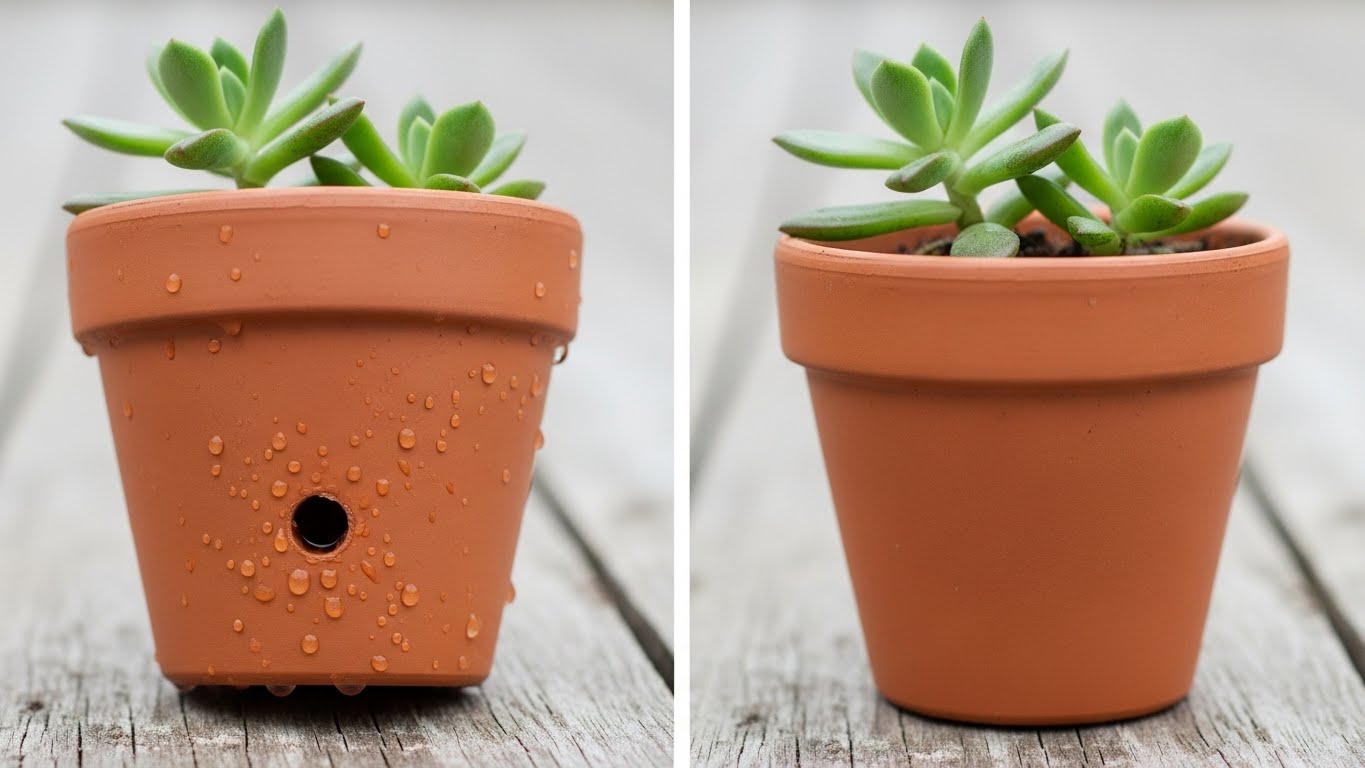
Understanding drainage holes is essential for your plants’ health. They help excess water escape, preventing issues like root rot, which can cause yellowing leaves and mushy stems. If you’ve got pots without drainage, don’t worry! You can use pebbles at the bottom, pick moisture-loving plants, or monitor water with a moisture meter. By doing this, you can still keep your plants thriving without those holes. Curious about more tips to guarantee your plants flourish?
The Role of Drainage Holes in Plant Health
💡 If you’re curious about plants that can flourish in pots without drainage holes, this article is a must-read.
➜ Discover which plants thrive without drainage
When you think about keeping your plants healthy, you might not realize how important drainage holes are, but they play a crucial role in preventing overwatering. Drainage holes allow excess water to escape, ensuring your plants don’t sit in soggy soil. This is where the drainage importance comes into play; without proper drainage, roots can suffocate and struggle to absorb nutrients.
When selecting a pot, always look for one with drainage holes. It’s a small detail, but it can make a huge difference in your plant’s health. If you ever find yourself in a pot without holes, consider adding some pebbles at the bottom or using a self-watering system. Your plants will thank you for the thoughtful care!
Risks of Overwatering and Root Rot
Overwatering your plants can lead to some serious problems, like root rot, which is when the roots start to decay due to excess moisture. You might notice signs like yellowing leaves, a mushy stem, or a foul smell coming from the soil, all indicating that your plant is struggling. To keep your greenery thriving, it’s essential to understand how to prevent root rot by ensuring proper drainage and not giving your plants too much water.
Signs of Overwatering
Recognizing the signs of overwatering is essential for keeping your plants healthy and thriving. If you notice yellowing leaves or wilting plants, these are clear overwatering symptoms that shouldn’t be ignored. The roots may be struggling to breathe due to excessive moisture retention in the soil. You might also see a mushy texture on the stems or an unpleasant odor coming from the pot—both are serious red flags. Additionally, if water sits on the surface for too long after watering, it’s a sign your plant’s getting too much love. By paying attention to these warning signs, you can help your plants bounce back and flourish once again, restoring that vibrant energy to your home.
Preventing Root Rot
Preventing root rot is essential if you want your plants to thrive and grow strong. To keep your greens happy, focus on effective soil aeration techniques and moisture retention strategies. By balancing these, you can guarantee your plants get the right amount of water without drowning their roots.
Here’s a quick reference table to help you:
Soil Aeration Techniques | Moisture Retention Strategies | Tips for Success |
|---|---|---|
Use well-draining soil | Mulch around your plants | Check soil moisture |
Add perlite or sand | Water deeply but less often | Use pots with drainage |
Aerate with a fork | Choose water-retentive soil | Observe your plants |
Rotate pots occasionally | Group plants for humidity | Adjust based on seasons |
Types of Pots Without Drainage Holes
When you’re choosing a pot without drainage holes, it’s important to think about the materials and styles available. These pots can come in a variety of designs, from ceramic to plastic, each with its own benefits and drawbacks that can affect your plants. Understanding these options will help you make the best choice for your gardening needs, whether you’re looking for something decorative or functional.
💡 Understanding drainage is crucial to preventing issues like root rot. This article provides essential tips for keeping your plants healthy.
➜ Learn how to prevent root rot effectively
Materials and Styles
Pots without drainage holes can be a stylish and practical choice for your indoor plants, offering a unique way to showcase your greenery. You’ll find a variety of materials and styles to suit your taste. Ceramic pots bring a classic touch, while colorful plastic containers can brighten up any space. Terracotta styles offer a rustic vibe, and metal planters add a modern edge. For a fun twist, consider hanging baskets that draw the eye upward. Self-watering designs make caring for your plants easier, and decorative vases can double as art pieces. Plus, there are eco-friendly options that help you feel good about your choices while keeping your plants happy and healthy. Embrace the variety!
💡 Proper watering is closely linked to drainage. Learn how to avoid common mistakes that can harm your plants.
➜ Master the art of watering your plants
Benefits and Drawbacks
Understanding the benefits and drawbacks of using pots without drainage holes can help you make informed decisions for your indoor garden. While they can be visually appealing, you need to evaluate various factors. Here are some pros and cons to think about:
- Moisture Retention: These pots hold water longer, which can be great for plants that thrive in humid conditions.
- Aesthetic Appeal: They often come in beautiful designs, adding style to your space.
- Root Rot Risk: Without drainage, overwatering can lead to root rot, harming your plants.
- Limited Pot Selection: Your choices might be restricted compared to traditional pots.
Creative Solutions for Pots Lacking Drainage
Even though many beautiful pots lack drainage holes, you don’t have to give up on your plants or settle for less-than-ideal conditions. With a bit of creative potting, you can still cultivate a thriving garden. First, try adding a layer of pebbles or stones at the bottom of your pot to create a makeshift drainage system. You can also use alternative containers, like wooden crates or metal buckets, which often have better airflow. Consider planting drought-resistant varieties that tolerate extra moisture, or use a moisture meter to keep track of your plant’s needs. By thinking outside the box, you can keep your plants happy and healthy, even in those charming pots without drainage holes!
Signs Your Plant Needs Better Drainage
It’s not just about the pot; your plant’s health can signal when it needs better drainage. If you notice any of these signs, it’s time to reassess how well your plant’s getting rid of excess water:
- Yellowing leaves: This often indicates soil saturation, leading to root rot.
- Wilting despite wet soil: If your plant droops while the soil feels soggy, it’s struggling.
- Moldy soil surface: Excess moisture retention can cause mold growth, which isn’t good for your plant.
- Root rot smell: A foul odor usually means the roots are drowning.
Listening to your plant’s signals can help you create a healthier environment, ensuring it thrives!
Tips for Maintaining Healthy Soil Moisture
Maintaining healthy soil moisture is essential for your plants’ well-being, so knowing how to achieve it can make a big difference. Start by choosing the right soil mix; one that enhances moisture retention is key. You can also add organic matter like compost, which not only improves soil structure but helps hold water. When watering, do it deeply but less frequently—this encourages roots to grow deeper, seeking moisture. Consider mulching around your plants to reduce evaporation, keeping that precious soil moisture in place. Finally, check your plants regularly; if the leaves start to droop, it’s a sign they may need more water. With these tips, you’ll create a thriving environment where your plants can flourish!
Conclusion
In the grand tapestry of plant care, drainage holes play an essential role in keeping your greenery happy and healthy. While pots without them can pose challenges, you’ve got plenty of creative workarounds to guarantee your plants thrive. By staying vigilant for signs of overwatering and maintaining a balanced soil moisture, you can help your plants flourish like a vibrant garden in full bloom. So, armed with this knowledge, go ahead and nurture your green friends with confidence!
💡 Repotting is an essential skill for plant care, especially when dealing with drainage issues. This guide will help you do it right.
➜ Get the step-by-step guide to repotting safely


