
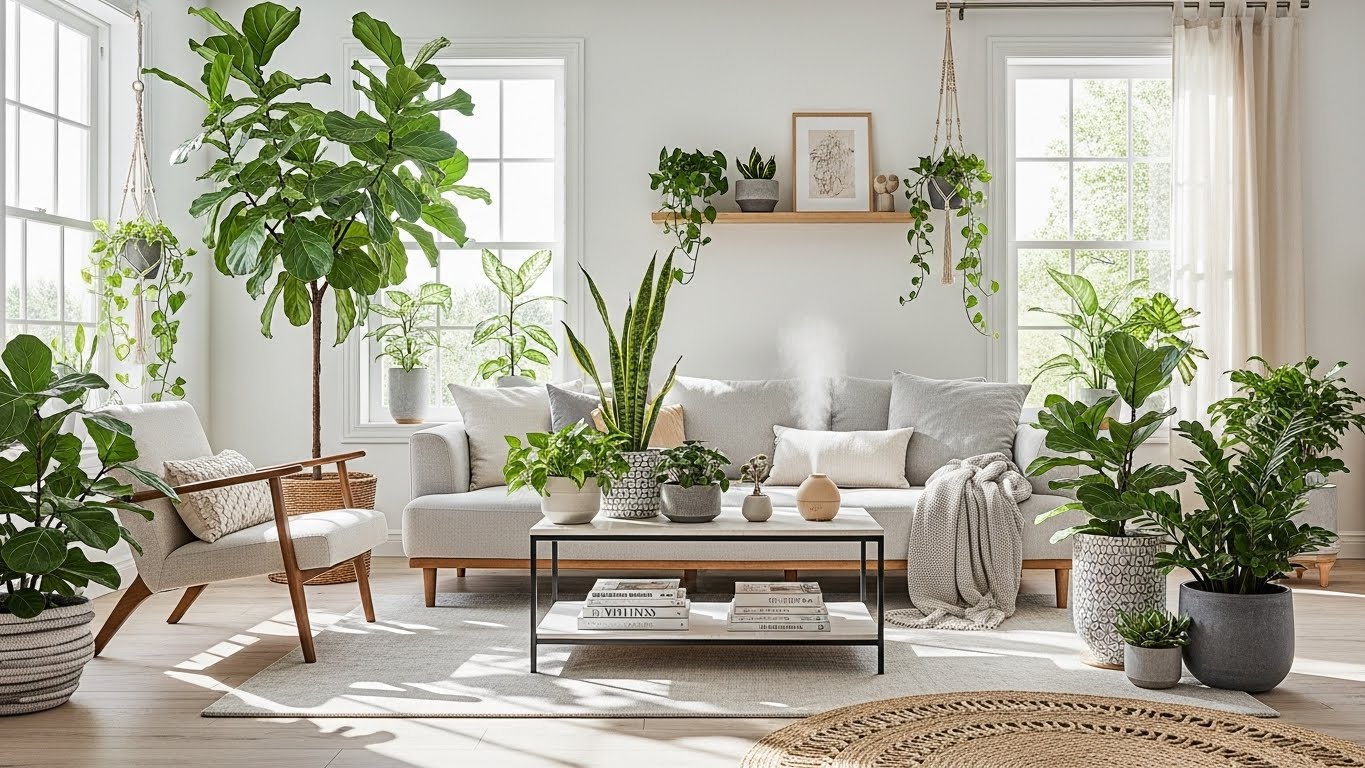
Step into any modern American home, apartment, or even a trendy coffee shop, and you’ll likely be greeted by a lush assembly of green. From the iconic, split leaves of a Monstera in a sun-drenched corner to the resilient tendrils of a Pothos cascading from a bookshelf, indoor plants have quietly, yet decisively, taken root in the heart of American culture. This isn’t your grandmother’s dusty fern in the parlor; this is a full-blown botanical revolution. The indoor plant trends USA has seen a massive surge, transforming living spaces into vibrant, personal sanctuaries. But what’s driving this nationwide obsession with houseplants?
The answer is as layered and complex as the soil they grow in. This green wave is more than just a fleeting design fad; it’s a powerful confluence of a booming wellness movement, a greater awareness of mental health, a generational shift in lifestyle, and the undeniable influence of our hyper-visual digital world. It’s a story about our collective yearning to reconnect with nature in an increasingly urbanized society. Let’s dig deeper into why indoor plants are so incredibly popular right now.
The Roots of the Trend: A Quest for Wellness and Connection
Long before they were Instagram-famous, plants were silent partners in human well-being. The current trend has simply brought their benefits to the forefront of our collective consciousness, aligning perfectly with modern values.
The Wellness Movement and Biophilia
The last decade has seen a cultural pivot towards holistic wellness. We optimize our diets with organic foods, clear our minds with meditation apps, and track our steps with wearable tech. Houseplants are the natural extension of this movement into our living spaces. They represent a tangible, living piece of the wellness puzzle.
This phenomenon is closely tied to the concept of biophilia, the idea that humans possess an innate tendency to seek connections with nature. In a world of concrete, steel, and screens, this urge is often left unmet. Indoor plants serve as a vital bridge to the natural world. They are a simple, accessible way to introduce nature’s calming patterns, textures, and colors into our daily lives.
The scientific benefits are compelling. Research has found that common houseplants can help purify indoor air by absorbing everyday toxins. While you’d need a veritable jungle to significantly impact your home’s air quality, the psychological effect is potent. More recent studies have concretely linked the presence of indoor plants to reduced stress levels, lower blood pressure, and improved concentration. Caring for them provides a gentle, grounding routine—a moment of peace in a chaotic world.
A Green Salve for Mental Health
Perhaps one of the most significant drivers behind the houseplant boom is the growing conversation around mental health. As society becomes more open about struggles with anxiety, depression, and burnout, people are actively seeking out practices that support their mental and emotional well-being. Plant care has emerged as a surprisingly effective form of self-care.
The act of nurturing a living thing—watering it, watching it grow, and responding to its needs—offers a profound sense of purpose and accomplishment. It’s a mindful practice that pulls you into the present moment. You can’t rush a leaf unfurling. This slow, deliberate process is the perfect antidote to the instant gratification and constant stimulation of digital life. For many, seeing a new leaf emerge on their Fiddle Leaf Fig is a small but significant victory, a visible symbol of growth and resilience that mirrors their own personal journey.
The New Generation of Gardeners: Meet the “Plant Parents”
While people of all ages enjoy houseplants, Millennials and Gen Z are undeniably at the heart of this trend, proudly adopting the title of “plant parents.” This demographic shift is fueled by a unique set of social and economic circumstances.
With traditional life milestones like marriage, homeownership, and having children being delayed or redefined, these generations have channeled their nurturing instincts elsewhere. Plants have become their “babies.” They are a lower-stakes, more affordable way to practice caregiving and responsibility. Unlike a pet, a plant won’t wake you up at night, and the financial commitment is significantly smaller, making it an ideal choice for young adults navigating student debt and a high cost of living.
Furthermore, a significant portion of younger Americans are renters. Houseplants offer a perfect solution for personalizing a temporary space. They are portable, add instant character and warmth, and can make a sterile apartment feel like a home. They are a form of decorative autonomy in a world where painting a wall might require a landlord’s permission. This is a key reason why indoor plants are popular among urban dwellers who crave a personal touch in their rental units.
#PlantLife: How Social Media Fueled the Green Fire
It’s impossible to discuss the rise of houseplants without acknowledging the colossal role of social media. Platforms like Instagram, Pinterest, and TikTok transformed a quiet hobby into a global aesthetic and a thriving online community.
The Visual Eden of Instagram and Pinterest
Plants are incredibly photogenic. The deep greens, intricate patterns, and sculptural forms of houseplants are a natural fit for visually driven platforms. Instagram and Pinterest became digital greenhouses where users could showcase their “urban jungles.” Hashtags like #plantsofinstagram, #urbanjunglebloggers, and #houseplantclub connected millions of enthusiasts, creating a vibrant subculture.
Influencers and everyday users alike began curating their homes with an eye for the perfect “shelfie” (a styled shelf photo) or a wide shot of a room brought to life by a statement plant. This visual sharing not only provided inspiration but also created aspirational houseplant decor trends. Seeing a beautifully styled living room featuring a majestic Monstera made people want one of their own, driving demand and turning specific plants into viral “it” items.
Plant-Tok and the Rise of the “Plantfluencer”
More recently, TikTok and YouTube have added a new dimension to the trend. Short-form videos offer a dynamic way to share plant care tips, time-lapses of new growth, “plant haul” unboxings, and DIY tutorials for everything from moss poles to propagation stations. “Plantfluencers” have built massive followings by demystifying plant care, making it feel accessible and fun for beginners. This content has fostered a sense of community and shared learning, empowering a new generation to confidently embrace their green thumbs.
Biophilic Design: Integrating Greenery into Modern U.S. Homes
The houseplant trend has fundamentally influenced modern interior design, popularizing an approach known as biophilic design. At its core, biophilic design seeks to connect building occupants more closely to nature. Indoor plants are the easiest and most effective way to achieve this.
They are no longer just an afterthought placed on a windowsill. Today, plants are integral design elements used with intention and purpose:
- The Statement Piece: A large, architectural plant like a Fiddle Leaf Fig or a Bird of Paradise can act as a living sculpture, serving as the focal point of a room. It draws the eye, adds vertical interest, and commands attention just like a piece of art.
- Creating Texture and Depth: The variety of leaf shapes, sizes, and colors adds a rich layer of texture to a space. The glossy leaves of a Rubber Plant contrast beautifully with the feathery fronds of a fern or the matte finish of a Snake Plant.
- Defining Spaces: In open-concept homes, a collection of tall plants or a row of hanging baskets can be used to visually separate a living area from a dining space, creating “green walls” that define zones without closing them off.
- Enhancing Any Style: Houseplants are remarkably versatile. A stark, minimalist space can be softened and humanized by a single, elegant plant. A bohemian-style room feels incomplete without a sprawling collection of eclectic greenery. They complement Mid-Century Modern furniture, add life to industrial lofts, and bring organic warmth to Scandinavian design.
The A-Listers: Top Trending Indoor Plants in the U.S.
While thousands of plant species are available, a few have consistently dominated the indoor plant trends USA scene, becoming modern classics.
- Monstera Deliciosa (Swiss Cheese Plant): The undisputed king of Instagram. Its iconic, fenestrated (split) leaves are instantly recognizable. It’s relatively easy to care for and grows quickly, offering a rewarding experience as it unfurls new, dramatic foliage.
- Fiddle Leaf Fig (Ficus lyrata): The darling of interior designers. With its large, violin-shaped leaves and tree-like presence, the Fiddle Leaf Fig adds a touch of sophisticated drama to any room. It has a reputation for being a bit finicky, which only adds to the sense of accomplishment when it thrives.
- Snake Plant (Sansevieria trifasciata): The champion of beginners. Known for its near-indestructibility, the Snake Plant tolerates low light and infrequent watering. Its stiff, upright leaves provide a strong vertical element that fits perfectly with modern and minimalist aesthetics.
- Pothos (Epipremnum aureum): The dependable trailing vine. Pothos is incredibly easy to grow and even easier to propagate, making it the plant that keeps on giving. Its heart-shaped leaves, often variegated with yellow or white, look stunning cascading from shelves, hanging baskets, or the top of a cabinet.
The Future is Green: What’s Next for Houseplants?
The indoor plant trend shows no signs of wilting. In fact, it’s evolving. As enthusiasts become more experienced, we can predict a few future directions:
- The Rise of the Rare and Unusual: The market for rare and variegated plants (like the Pink Princess Philodendron or Monstera Albo) will continue to grow. For collectors, the thrill is in finding unique specimens that stand out from the crowd.
- Tech-Infused Gardening: Technology will play a larger role. Expect to see more smart self-watering pots, user-friendly grow lights for low-light homes, and sophisticated plant care apps that can diagnose problems using your phone’s camera.
- A Focus on Sustainability: As consumers become more eco-conscious, there will be a greater demand for sustainably sourced plants, peat-free soil alternatives, and support for local, independent nurseries over mass-market retailers.
Ultimately, the houseplant trend is a reflection of a deeper cultural shift. It’s about creating homes that are not just stylish, but are also sanctuaries for well-being. It’s about finding a tangible connection to the natural world and a mindful hobby that nurtures both the plant and the person. The green revolution is here to stay, one beautiful leaf at a time.
Frequently Asked Questions (FAQ)
1. Why are indoor plants so popular with millennials?
Millennials have embraced indoor plants as a way to nurture something and personalize their living spaces, which are often rentals. Plant care offers a mindful, affordable hobby and a sense of responsibility at a time when traditional milestones like homeownership and starting families are often delayed.
2. What are the main wellness benefits of having houseplants?
Houseplants are known to reduce stress, boost mood, and increase creativity and focus. The act of caring for them is a mindful practice that can alleviate anxiety. They also connect us to nature (biophilia) and can help improve indoor air quality.
3. What is the easiest indoor plant for beginners in the U.S.?
The Snake Plant (Sansevieria) and the Pothos (Epipremnum aureum) are widely considered the best plants for beginners. Both are extremely forgiving, tolerate a wide range of light conditions, and can survive occasional neglect and inconsistent watering.
4. How do I incorporate plants into my home decor?
Start by choosing plants that fit your room’s light conditions. Use a large statement plant like a Monstera or Fiddle Leaf Fig as a focal point. Use smaller plants on shelves and tables to add texture and color. Consider trailing plants like Pothos in hanging baskets to add vertical interest. Match your pots to your decor style for a cohesive look.
5. Is the indoor plant trend here to stay?
All signs point to yes. The trend is deeply rooted in the larger cultural movements of wellness, mental health awareness, and sustainable living. Rather than being a fleeting fad, it represents a long-term shift towards creating healthier, more natural, and more personal home environments.


