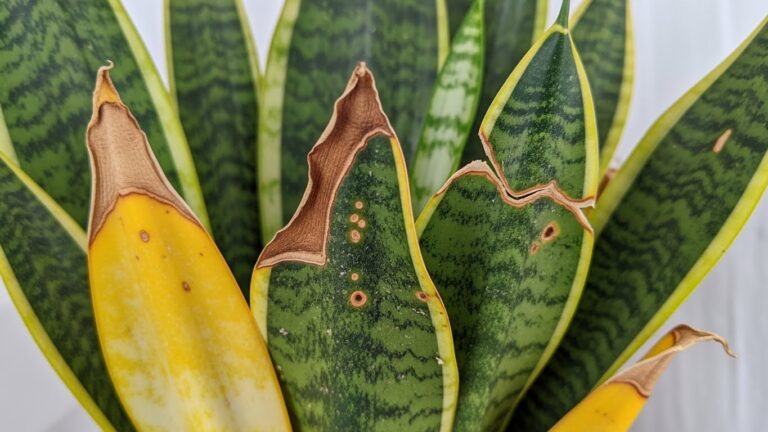
To keep your snake plant healthy, you need a well-draining soil mix. A great option is two parts potting soil, one part perlite, and one part sand. This mix allows air to reach the roots and prevents water from sitting too long, which can cause rotting. You can also use cactus soil mixed with regular potting soil. With the right soil, your plant will thrive, and you’ll discover even more tips for ensuring its happiness!
Key Takeaways
- A well-draining soil mix is essential; combine two parts potting soil, one part perlite, and one part sand for optimal results.
- Cactus mix with added potting soil can enhance nutrient availability while maintaining drainage for snake plants.
- Incorporate coconut coir to retain moisture without causing sogginess, promoting healthy growth.
- Regularly check soil moisture; water only when the top inch feels dry to prevent overwatering.
- Repot every couple of years with fresh soil mix to refresh nutrients and improve drainage.
Understanding the Needs of Snake Plants
When you think about snake plants, or Sansevieria, it’s easy to picture their tall, sword-like leaves reaching for the sky, but did you know that understanding their needs is key to keeping them healthy? First, let’s talk about light requirements. Snake plants thrive in bright, indirect light but can tolerate low light too. So, don’t worry if your space isn’t flooded with sunlight! Next, focus on watering frequency. These plants prefer to dry out between waterings, so it’s important to check the soil before you give them a drink. Generally, watering every couple of weeks is just fine, but always adjust based on your home’s humidity. Additionally, using a custom soil mix will enhance drainage and aeration, which are crucial for preventing root rot. By meeting these simple needs, you’ll help your snake plant flourish!
Essential Components of an Ideal Soil Mix
Creating the perfect soil mix for your snake plant is essential for its health and growth. To guarantee your plant thrives, you need a blend that offers great drainage materials and a balanced nutrient profile. Here are the key components you should include:
Component | Purpose |
|---|---|
Potting Soil | Provides a base for nutrients |
Perlite | Enhances drainage and aeration |
Sand | Improves soil texture |
Coconut Coir | Retains moisture without sogginess |
Worm Castings | Adds nutrients for healthy growth |
Mixing these components will help create an ideal environment for your snake plant, promoting strong roots and vibrant leaves. By focusing on drainage materials and nutrient balance, you’ll set your plant up for success!
Recommended Soil Mix Recipes
Finding the right soil mix for your snake plant can make all the difference in helping it thrive. You’ll want a blend that meets their unique drainage requirements. Here’s a simple recipe: mix two parts potting soil, one part perlite, and one part sand. This combination guarantees your snake plant gets the nutrients it needs while allowing excess water to drain away, preventing root rot. Another option is to use cactus mix, which is formulated for good drainage, and add a bit of regular potting soil for nutrients. Experiment with these recipes to see what works best for you and your plant. Remember, a happy snake plant means a happy home!
Tips for Potting and Repotting Snake Plants
Potting and repotting your snake plant is an exciting step in its care journey, ensuring it has enough room to grow and thrive. Start by choosing the right pot; it should have drainage holes to prevent excess water. When you’re ready, use potting techniques that allow the roots to breathe—consider a mix of cactus soil and perlite for ideal drainage. As for repotting frequency, aim to refresh the soil every couple of years or whenever you notice roots coming out of the drainage holes. Gently remove your plant, shake off old soil, and place it in the new pot with fresh mix. It’s a simple process that allows your snake plant to flourish and stay healthy!
Signs of Soil-Related Issues and Solutions
When you notice your snake plant isn’t thriving as it should, it might be a sign of soil-related issues calling for your attention. Pay close attention to its leaves; if they’re turning yellow or mushy, you could be facing drainage problems. Snake plants love well-draining soil! Check the soil pH too; it should be around 6 to 7 for ideal health. If it’s too acidic or alkaline, your plant could suffer. To solve these issues, consider repotting your snake plant in a mix of potting soil, perlite, and sand to improve drainage. This way, you’ll help your plant bounce back and thrive, and that’s what you want, right? Keep your snake plant happy and healthy!
Conclusion
To sum up, giving your snake plant the right soil mix is like planting a seed for success. By understanding its needs and using the right components, you can guarantee your plant thrives. Remember to keep an eye out for signs of trouble, so you can act quickly. With the right care, your snake plant will not only survive but flourish, bringing a touch of green happiness to your space. Happy planting!