To keep your snake plant happy, water it differently based on the seasons and climate. In spring and summer, check the soil every 1-2 weeks, while in autumn and winter, water just once every 3-4 weeks. If you live in a dry area, you might need to water more often, but in humid places, less is best. Always look for signs of over or underwatering to adjust your care accordingly. There’s even more to discover about keeping your plant thriving!
Key Takeaways
- Water snake plants every 1-2 weeks in spring/summer, adjusting for increased temperature and humidity.
- In autumn/winter, reduce watering to every 3-4 weeks as the plant enters dormancy.
- Always check the top inch of soil for dryness before watering to prevent overwatering.
- In humid climates, water less frequently; in dry climates, increase watering based on soil moisture.
- Monitor plant leaves for health indicators; adjust watering schedule if you see signs of over or underwatering.
Understanding the Snake Plant’s Watering Needs
When it comes to watering your Snake Plant, understanding its needs is essential for keeping it healthy and thriving. These resilient plants have unique growth habits, allowing them to tolerate drought. You’ll want to water your snake plant only when the top inch of the soil feels dry to the touch. Overwatering can lead to root rot, so it’s vital to let the soil dry out between waterings. During the growing season, which is typically spring and summer, you might find your plant needs a bit more moisture. However, in fall and winter, it’s best to ease off. By paying attention to these needs, you’ll empower your snake plant to flourish, showcasing its striking, sword-like leaves. Additionally, remember that effective watering techniques involve deep watering only when the soil is confirmed dry, ensuring the entire root system receives moisture.
Seasonal Watering Guidelines
Knowing how to water your Snake Plant according to the seasons can make a big difference in its overall health. During spring and summer, when temperatures rise and humidity increases, you’ll want to water more frequently—about every 1-2 weeks. The warmer weather encourages growth, so your plant will appreciate the extra moisture. As autumn and winter roll in, with their cooler temperatures and lower humidity, scale back your watering. You might only need to water once every 3-4 weeks. Always check the soil before watering; if it’s still damp, wait a bit longer. By adjusting your watering schedule to match seasonal temperature and humidity changes, you’ll keep your Snake Plant thriving and happy all year round!
Adjusting Watering for Different Climates
When it comes to watering your snake plant, adjusting for your climate is key to keeping it healthy and thriving. You need to take into account factors like humidity levels, temperature changes, and even seasonal rainfall in your area. By understanding these elements, you can tailor your watering routine to meet your plant’s needs perfectly!
Humidity Levels Impact Watering
Humidity levels play an essential role in how often you need to water your snake plant, so understanding your climate can help keep your green friend thriving. If you live in a humid area, your snake plant will require less frequent watering, as higher humidity levels can help retain moisture in the soil. You’ll want to regularly check humidity measurements, especially during hot, dry spells. In contrast, if you’re in a drier climate, the humidity impact will mean you should water more often. Always remember to let the soil dry out between waterings, regardless of your humidity level. Adjusting your watering routine based on these factors guarantees your snake plant stays healthy and happy, contributing to its vibrant growth.
Temperature Variations and Needs
Temperature can greatly influence how often you need to water your snake plant, so it’s important to adjust your routine based on the climate you live in. When faced with temperature extremes, your plant’s needs can shift dramatically. Here’s how to adapt your watering schedule:
- Hot Weather: Water more frequently, as higher temperatures can dry out the soil faster.
- Cold Weather: Cut back on watering, since cooler temperatures slow down the plant’s growth and water uptake.
- Mild Climates: Maintain a balanced routine, watering when the top inch of soil feels dry.
Seasonal Rainfall Considerations
Adjusting your snake plant’s watering schedule is essential, especially when considering seasonal rainfall in your area. If you live in a region with heavy rainfall, you’ll want to cut back on watering, as the increased moisture can lead to root rot. Pay attention to rainfall impact; your plant might need less water during those wet months. On the flip side, if you’re in a drier climate, you’ll need to be more generous with your watering, especially during the growing season. Climate adaptation is key! Always check the soil moisture before watering, ensuring your snake plant thrives in its unique environment. By understanding your local rainfall patterns, you’ll help your plant flourish like the champion it is!
Signs of Overwatering and Underwatering
When you’re caring for a snake plant, knowing the signs of overwatering and underwatering can make all the difference in keeping your plant healthy. Pay close attention to your plant’s leaves and overall appearance. Here are some key indicators to watch for:
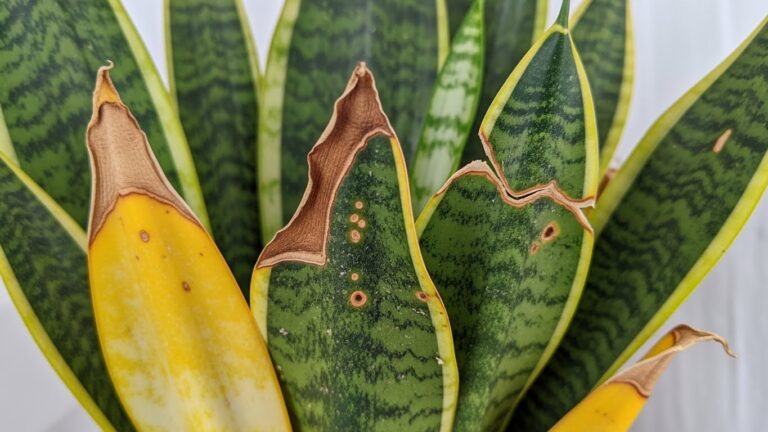
- Overwatering signs: Leaves turning yellow or mushy, a foul smell from the soil, or root rot.
- Underwatering signs: Leaves becoming wrinkled or crispy, slower growth, or leaf drop.
- General health: Look for vibrant, upright leaves as a sign of balance.
Best Practices for Watering
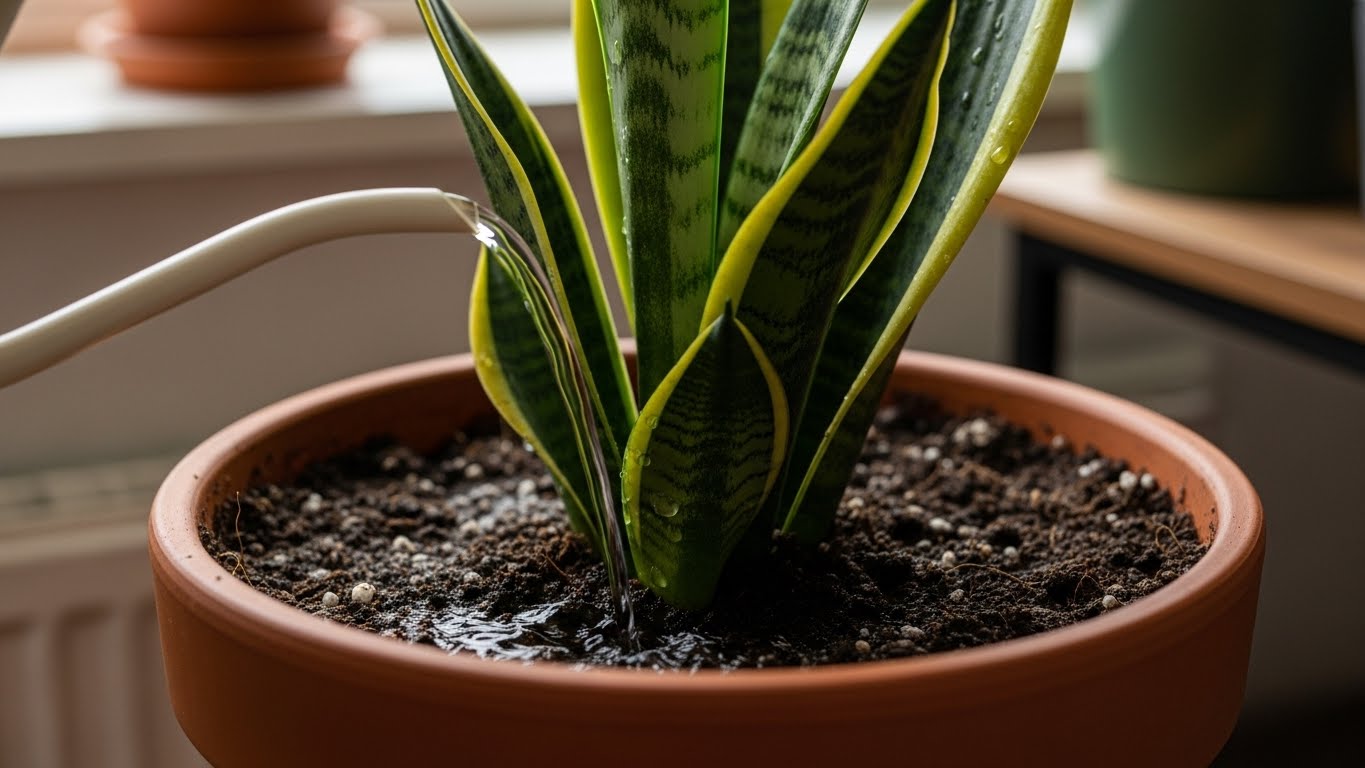
To keep your snake plant thriving, it’s essential to follow some best practices for watering. First, choose the right watering techniques—let the soil dry out completely between waterings. This allows your plant to absorb nutrients and boosts its overall health. When you do water, drench the soil thoroughly, ensuring it seeps out of the drainage holes. This method encourages deep root growth, which is crucial for your plant’s stability. Remember, consistency is key, so establish a routine based on your plant’s needs, adjusting for seasonal changes. Finally, always keep an eye on your plant’s leaves; they’re great indicators of its health. By following these tips, you’ll foster a happy, flourishing snake plant that brightens your space!
Tips for Ensuring Proper Drainage
To keep your snake plant happy and healthy, proper drainage is key! Start by choosing well-draining soil that allows excess water to escape easily, preventing root rot. Also, make sure to use pots with drainage holes; this simple step can make a big difference in your plant’s growth.
Choose Well-Draining Soil
Choosing well-draining soil is crucial for keeping your snake plant healthy and thriving. The right soil will prevent waterlogged roots, which can lead to root rot. Here are some tips for selecting the best soil types and using effective drainage techniques:
- Use a cactus or succulent mix: These soil types provide excellent drainage while retaining some moisture.
- Add perlite or coarse sand: Mixing in these materials boosts aeration and helps water flow freely.
- Test the soil’s moisture level: Confirm it dries out between waterings, keeping your plant happy and healthy.
With the right soil, your snake plant will flourish, showcasing its stunning beauty. You’ll enjoy watching it grow as you master the art of plant care!
Use Suitable Pots
Using the right pots is just as important as selecting the right soil for your snake plant. Choosing pots with proper drainage helps prevent root rot and keeps your plant healthy. When you’re picking a pot, consider the pot material and size.
Pot Material | Best For |
|---|---|
Terracotta | Breathability |
Plastic | Lightweight & Affordable |
Ceramic | Aesthetic Appeal |
Metal | Unique Styles |
Wood | Rustic Charm |
Select a pot size that allows for growth, ideally a few inches larger than the current pot. This guarantees your snake plant has room to thrive while still allowing excess water to escape. Happy planting!
Seasonal Care Beyond Watering
While watering your snake plant is vital, it’s just one part of keeping this resilient houseplant thriving throughout the year. You’ll want to pay attention to other aspects of care too. Seasonal pest management is important; inspect your plant regularly for any unwanted guests. During the growing season, consider using fertilization techniques to give your snake plant a boost.
Here are a few more tips to make sure your plant stays healthy:
- Dust off leaves: Cleaning the leaves helps them breathe better.
- Rotate your plant: This guarantees even growth as it reaches for light.
- Adjust light exposure: During different seasons, your plant may need more or less sunlight.
With these practices, your snake plant will flourish beautifully!
Conclusion
To wrap up, caring for your snake plant can be as rewarding as watching a flower bloom. By following the seasonal watering guidelines and adjusting for your climate, you’ll keep your plant happy and healthy. Remember to watch for signs of overwatering or underwatering, and guarantee proper drainage for the best results. With a little attention, your snake plant will thrive, bringing a touch of green to your space all year round!