
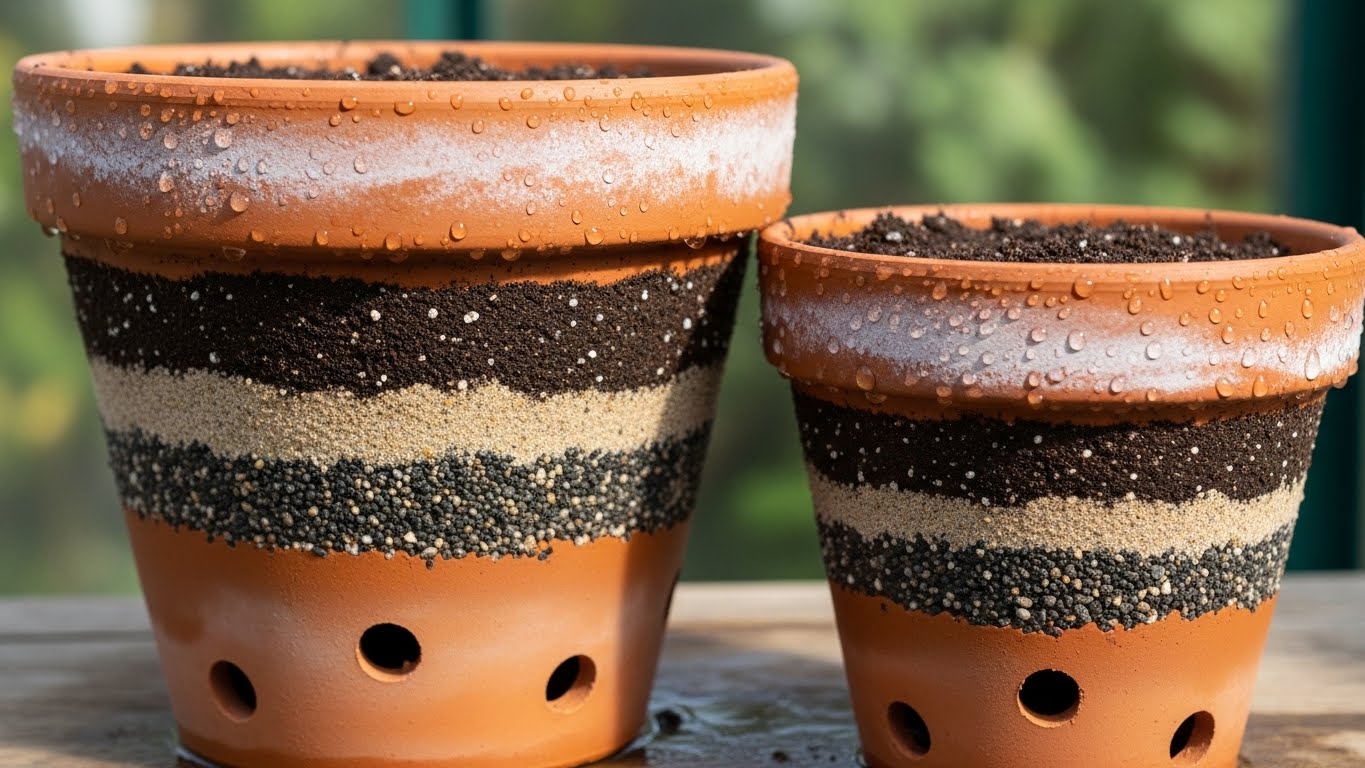
Understanding pot drainage is essential for your plants’ health and happiness. Proper drainage prevents issues like root rot and guarantees roots get enough oxygen. If your pot isn’t draining well, you might notice yellow leaves or soggy soil. Choosing pots with drainage holes and using materials like gravel can help. Regularly check for standing water and adjust your watering habits accordingly. Let’s explore how to improve your plant care with effective drainage solutions!
The Importance of Drainage in Plant Care
💡 Understanding how drainage holes function is crucial for your plant’s health.
➜ Master the importance of drainage holes
When you think about caring for your plants, drainage might not be the first thing that comes to mind, but it’s absolutely essential for their health and happiness. Proper drainage helps maintain the right soil composition, allowing air and nutrients to reach the roots effectively. When your pot has good drainage, it prevents water from pooling at the bottom, which can lead to root rot. It also keeps moisture levels just right, ensuring your plants get the water they need without being over-saturated. Remember, not all soils are created equal; some retain water better than others. By prioritizing drainage, you’re giving your plants the best chance to thrive, flourish, and bring joy into your life.
How Poor Drainage Affects Plant Health
Poor drainage can turn your once-thriving plants into sad, wilting versions of themselves, and it’s crucial to understand just how much it affects their health. When water lingers in the pot, it suffocates the roots, making it hard for them to absorb oxygen. This poor root health leads to stunted growth and yellowing leaves, leaving you frustrated and worried about your plant’s future. Additionally, excess soil moisture creates a perfect environment for root rot, a sneaky foe that can quickly kill your beloved greenery. You deserve to see your plants flourish, so pay attention to drainage. By ensuring proper drainage, you’ll help maintain balanced soil moisture and support the vibrant life your plants need to thrive.
Signs of Inadequate Drainage
When you notice water pooling at the bottom of your plant pot, it’s a clear sign that drainage isn’t working as it should. This excess moisture can lead to root rot, which can spell disaster for your plants. Keeping an eye out for these signs is essential for ensuring your plants stay healthy and happy!
Water Pooling Observations
Imagine stepping out to check on your beloved potted plants, only to find puddles of water sitting stubbornly on top of the soil. This water pooling is a clear sign that your pot may not be draining properly. When you see those little lakes forming, it tells you that moisture retention is too high, which can lead to unhappy plants.
Keep an eye out for these signs:
- Consistent puddles: If water lingers after watering, your drainage might be blocked.
- Soil texture: If the soil feels soggy or overly moist, it’s a red flag.
- Plant wilting: Even with water pooling, plants might still look droopy.
Addressing these issues early can help keep your plants thriving!
Root Rot Symptoms
Potted plants can be wonderful companions, but they need proper care to stay healthy. One major issue you might face is root rot, which can sneak up on you if you’re not careful. Watch for these signs: yellowing leaves, wilting, and a mushy texture around the base of the plant. If the roots start to smell bad or look brown and slimy, it’s time to act! To guarantee root health, make sure your pot has good drainage and avoid overwatering. Remember, root rot prevention is key to keeping your plant thriving. By recognizing these symptoms early, you can save your green friend and enjoy its beauty for years to come!
Choosing the Right Pot for Your Plants
When it comes to choosing the right pot for your plants, you’ve got some exciting options to reflect on! The material of your pot can affect how well your plant grows, plus the size matters a lot for their roots to thrive. And don’t forget about drainage holes—they’re essential for keeping your plants healthy and happy!
Material Types and Benefits
💡 Preventing root rot is essential for maintathisng healthy plants, especially when considering pot drainage.
➜ Discover how to prevent root rot
Choosing the right pot for your plants is essential, especially since the material can considerably affect their growth and health. Ceramic pots are beautiful and retain moisture well, making them perfect for plants that love humidity. Plastic pots are lightweight and often come in various colors, which can brighten your space, while terracotta benefits include excellent breathability, keeping roots healthy. Metal containers add a modern touch, but they can heat up quickly, so consider drainage layers to prevent overheating. If you’re eco-conscious, biodegradable options are a great choice, breaking down over time and enriching the soil. By understanding these pot materials, you’ll create a nurturing environment for your beloved plants, helping them thrive and flourish.
Size Considerations for Growth
💡 Understanding watering practices is vital for ensuring effective drainage and preventing overwatering.
➜ Explore advanced watering techniques
Selecting the right size pot is essential for your plants’ growth and overall health. A pot that’s too small can stunt your plant’s development, while one that’s too large might lead to overwatering. Finding that perfect balance is key! Consider these factors when choosing your pot size:
- Plant type: Different plants have unique root systems.
- Growth stage: Young plants need smaller pots, while mature ones require more space.
- Soil volume: More soil means better moisture retention.
- Watering habits: Larger pots can hold more water, affecting your routine.
- Aesthetic appeal: A well-sized pot enhances your space.
Drainage Hole Importance
Drainage holes are an essential feature in any pot you choose for your plants, and having them can make a significant difference in your plant’s health. When selecting a pot, consider how drainage techniques can impact growth. Without drainage holes, excess water can build up, suffocating roots and leading to root rot. Choosing pots with adequate drainage guarantees moisture levels stay balanced, giving your plants the hydration they need while preventing overwatering.
Effective Drainage Solutions
When plants sit in waterlogged soil, their roots can suffocate and rot, which is why knowing how to create effective drainage solutions is vital for any gardener. You can guarantee your plants thrive by using the right drainage materials and techniques. Here are some ideas to get you started:
Effective drainage is crucial for healthy plants; it prevents root suffocation and rot, ensuring vibrant growth.
- Use pots with drainage holes to allow excess water to escape.
- Incorporate gravel or pebbles at the bottom of your pots for better drainage.
- Mix potting soil with perlite or vermiculite to improve aeration.
- Create a drainage layer using a combination of sand and organic matter.
- Elevate pots off surfaces to enhance airflow beneath them.
With these effective drainage solutions, your plants will thank you by growing strong and healthy!
How to Test Drainage in Your Pots
Have you ever wondered if your pots are draining properly? Testing drainage isn’t just a chore; it’s an essential step in ensuring your plants thrive. Start your drainage testing by filling your pot with water and observing how quickly it seeps out of the bottom. If it takes longer than a few minutes, your pot might need some attention. Another method for pot assessments is to stick your finger about an inch into the soil—if it’s soggy, you’ve got drainage issues. Finally, keep an eye on your plant’s health; yellowing leaves can signal trouble! Remember, a little testing goes a long way to keep your green friends happy and healthy, so embrace the process!
Best Practices for Maintaining Proper Drainage
To keep your plants healthy and happy, it’s essential to maintain proper drainage in your pots. Here are some best practices to guarantee your pot maintenance is on point:
- Choose the right pot: Use pots with drainage holes to prevent water from pooling.
- Use appropriate soil: Select well-draining soil mixes tailored for your plants.
- Add drainage layers: Incorporate materials like gravel or perlite at the bottom for extra drainage.
- Regularly check drainage: Observe how quickly water drains after watering and adjust as needed.
- Adjust watering habits: Water less frequently if you notice excess moisture, practicing good drainage techniques.
Conclusion
In conclusion, proper drainage is like giving your plants a revitalizing drink instead of drowning them in a pool! When you guarantee your pots have good drainage, you’re helping your plants thrive, grow strong, and avoid the dreaded root rot. Remember to check for signs of trouble, choose the right pot, and test the drainage regularly. With these tips, your plants will be happier than a kid in a candy store, bursting with life and energy!
💡 Proper repotting techniques can significantly impact your plant’s drainage and overall health.
➜ Get the step-by-step guide to repotting


