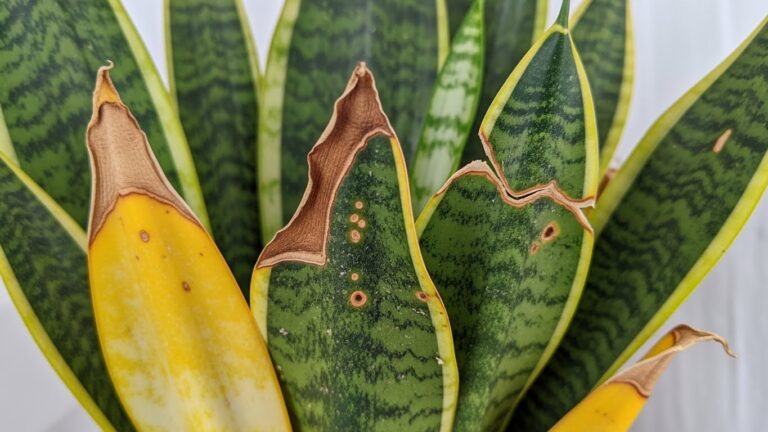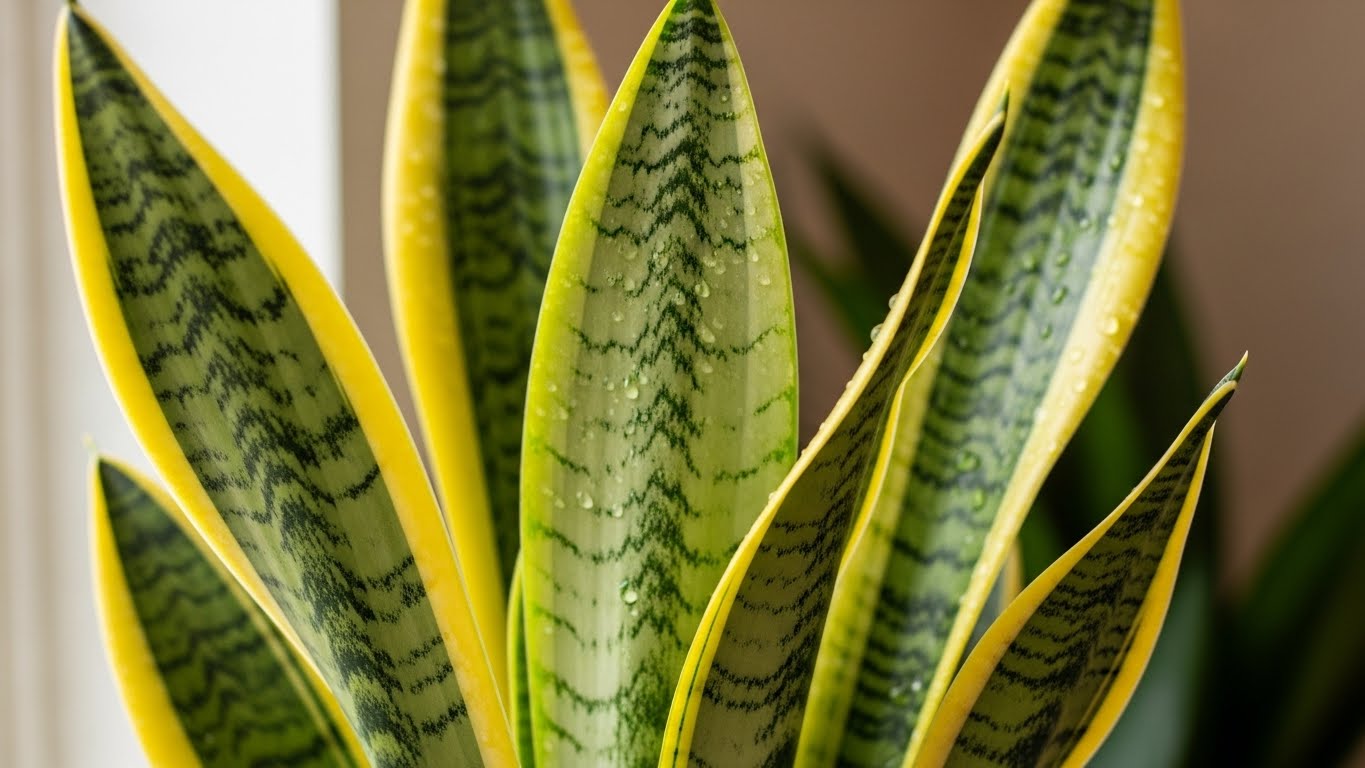
If your snake plant has yellow leaves, it’s telling you something’s wrong! Common causes include overwatering, not enough light, pests like spider mites or mealybugs, and nutrient deficiencies. To bring your plant back to life, check your watering habits—let the soil dry out between drinks. Make sure it’s getting bright, indirect light, and consider adding fertilizer for a nutrient boost. Stay alert for pests! Keep an eye on your plant, and you’ll discover more helpful tips!
Key Takeaways
- Yellow leaves on a snake plant often indicate overwatering; ensure soil dries out between waterings to prevent root rot.
- Insufficient light can cause yellowing; provide bright, indirect light to promote healthy growth and vibrant leaves.
- Nutrient deficiencies may lead to yellowing; use a balanced fertilizer to restore plant health and prevent future issues.
- Pests like spider mites and mealybugs can damage leaves; regularly inspect your plant to catch infestations early.
- Temperature fluctuations can stress snake plants; maintain a stable environment to support optimal growth and leaf color.
Common Causes of Yellow Leaves in Snake Plants
When you notice yellow leaves on your snake plant, it can be concerning, but don’t worry—understanding the common causes can help you bring it back to health. One key reason for leaf discoloration is inadequate light. Snake plants thrive in bright, indirect sunlight, so if yours isn’t getting enough, those vibrant greens may turn yellow. Another possibility is nutrient deficiency; they need some feeding to stay healthy, especially during the growing season. Finally, consider temperature fluctuations. Snake plants love warm spots and can react negatively to drafts or cold environments. Additionally, be mindful of overwatering issues, as this is the most common cause of snake plant failure and can lead to root rot, contributing to yellowing leaves. By paying attention to these factors in your snake plant care routine, you can quickly address any issues and restore your plant’s beautiful, green leaves.
Overwatering: The Most Common Culprit
Overwatering is often the most common culprit behind yellowing leaves in snake plants, and it’s a mistake even the most dedicated plant parents can make. When you give your plant too much water, it leads to water retention in the soil, causing drainage issues that suffocate the roots. Snake plants thrive in dry conditions, so it’s essential to let the soil dry out between waterings. If you notice those yellow leaves, check the soil; it might be time to cut back on your watering routine. Remember, this resilient beauty prefers to be a bit thirsty rather than sitting in soggy soil. By adjusting your watering habits, you’ll help your snake plant bounce back to its vibrant self!
Insufficient Light: A Hidden Issue
If your snake plant’s leaves are turning yellow, insufficient light might be the sneaky issue you’re overlooking. These plants thrive in bright light, and when they don’t get enough, you might notice signs like stretched-out stems or droopy leaves. Let’s explore how adjusting the light levels can bring your snake plant back to its vibrant self!
Importance of Bright Light
Bright light is essential for keeping your yellow snake plant healthy and vibrant, and without it, you might face some surprising challenges. Your plant craves the right light intensity to thrive, and natural sunlight is the best source. When you provide bright light, your plant’s leaves stay lush and green, helping to prevent yellowing.
Light Conditions | Effects on Plant |
|---|---|
Bright, indirect light | Healthy growth, vibrant color |
Low light | Weak stems, yellow leaves |
Direct sunlight | Leaf burn, stress |
Moderate light | Steady growth, balanced color |
Signs of Low Light
Have you ever noticed your yellow snake plant looking a bit lackluster? Insufficient light might be the hidden issue affecting your plant’s health. Here are some signs of low light to keep an eye out for:
- Leggy Growth: Your plant stretches towards the light, leaving long, bare stems.
- Pale Leaves: The vibrant green fades, making the leaves look washed out.
- Slow Growth: You might notice a significant drop in new growth or leaves.
- Curled Leaves: Leaves may curl or droop as your plant struggles to adapt to the low light intensity.
Recognizing these light adaptations can help you understand what your snake plant needs to thrive. Don’t let low light dim your plant’s potential!
Adjusting Light Levels
When you notice your snake plant’s leaves turning yellow, it might not just be a sign of trouble; it could also be a signal that your plant needs a little light adjustment. First, check the light intensity. Snake plants thrive in bright, indirect light, but they can adapt to lower levels. If you think your plant’s been sitting in the shadows too long, try moving it closer to a window. Also, consider light duration; they love a good 12-14 hours of light each day. If natural light is limited, think about using a grow light to supplement. By tweaking these factors, you can help your snake plant bounce back to its vibrant self and keep those yellow leaves at bay!
Pests and Diseases: Identifying the Threats
Identifying pests and diseases is essential for keeping your yellow snake plant healthy, especially since these issues can sneak up on you before you even notice. For effective pest identification and disease prevention, watch for these common threats:
- Spider Mites: Tiny, web-spinning pests that suck sap from leaves.
- Mealybugs: White, fluffy insects that cling to the plant, causing yellowing leaves.
- Fungus Gnats: Small flies that thrive in moist soil, leading to root issues.
- Root Rot: Caused by overwatering, this disease can make roots mushy and brown.
Stay vigilant, and check your plant regularly. Early detection can make all the difference in keeping your snake plant thriving!
Nutrient Deficiency: Is Your Plant Hungry?
Is your snake plant not looking its best? You might be facing a nutrient deficiency. When your plant’s leaves turn yellow, it often signals a nutrient imbalance. Snake plants thrive in well-draining soil, and poor soil quality can lead to this issue. Without essential nutrients, your plant gets hungry, struggling to grow and maintain its vibrant green color.
To help your snake plant, consider its feeding routine. Using a balanced fertilizer can give it the boost it needs, but be careful not to overdo it! Regularly checking your soil quality and adjusting your care routine can prevent future problems. Remember, happy plants make for a happy home, so give your snake plant the nutrition it craves!
Recovery Tips: Reviving Your Snake Plant
To revive your snake plant, start by evaluating its light conditions, since these leafy wonders thrive best in bright, indirect sunlight. Next, adjust your watering schedule; remember, snake plants prefer to dry out between waterings, so make sure you’re not overdoing it. With just a few simple changes, you can help your plant bounce back to its vibrant self!
Assess Light Conditions
When it comes to reviving your snake plant, assessing light conditions is essential, as this hardy houseplant thrives best in bright, indirect light. You need to take into account both light intensity and light duration to help your plant recover from yellowing leaves. Here are some tips to assess and improve your plant’s lighting:
- Check the location: Place your snake plant near a window but avoid direct sunlight, which can scorch its leaves.
- Adjust light duration: Aim for 10-12 hours of light daily, using curtains or blinds to filter harsh rays.
- Rotate your plant: This ensures all sides receive equal light, promoting balanced growth.
- Supplement with grow lights: If natural light is lacking, think about using LED grow lights to boost exposure.
Your snake plant will thank you!
Adjust Watering Schedule
Adjusting your watering schedule might just be the game-changer your snake plant needs to bounce back from those yellow leaves. Start by checking the moisture level in the soil. If it’s still damp, hold off on watering for a bit. Snake plants thrive on infrequent watering, so aim for a frequency of every two to three weeks, depending on the season. During the warmer months, you may need to adjust that slightly, but always guarantee the soil dries out completely between waterings. This helps prevent overwatering, which can cause those pesky yellow leaves. By finding the right balance, you’ll keep your snake plant healthy and vibrant, ready to shine in your home!
Conclusion
To sum up, a snake plant’s sunny spirit can dim with yellowing leaves, but you can definitely brighten its day! By addressing overwatering issues, ensuring sufficient sunlight, and checking for pests, you’ll set your plant on the path to recovery. Don’t forget to nourish it with the right nutrients! With a little care and attention, your snake plant will flourish again, showcasing its stunning, sword-like leaves. So get ready to restore that vibrant greenery!