
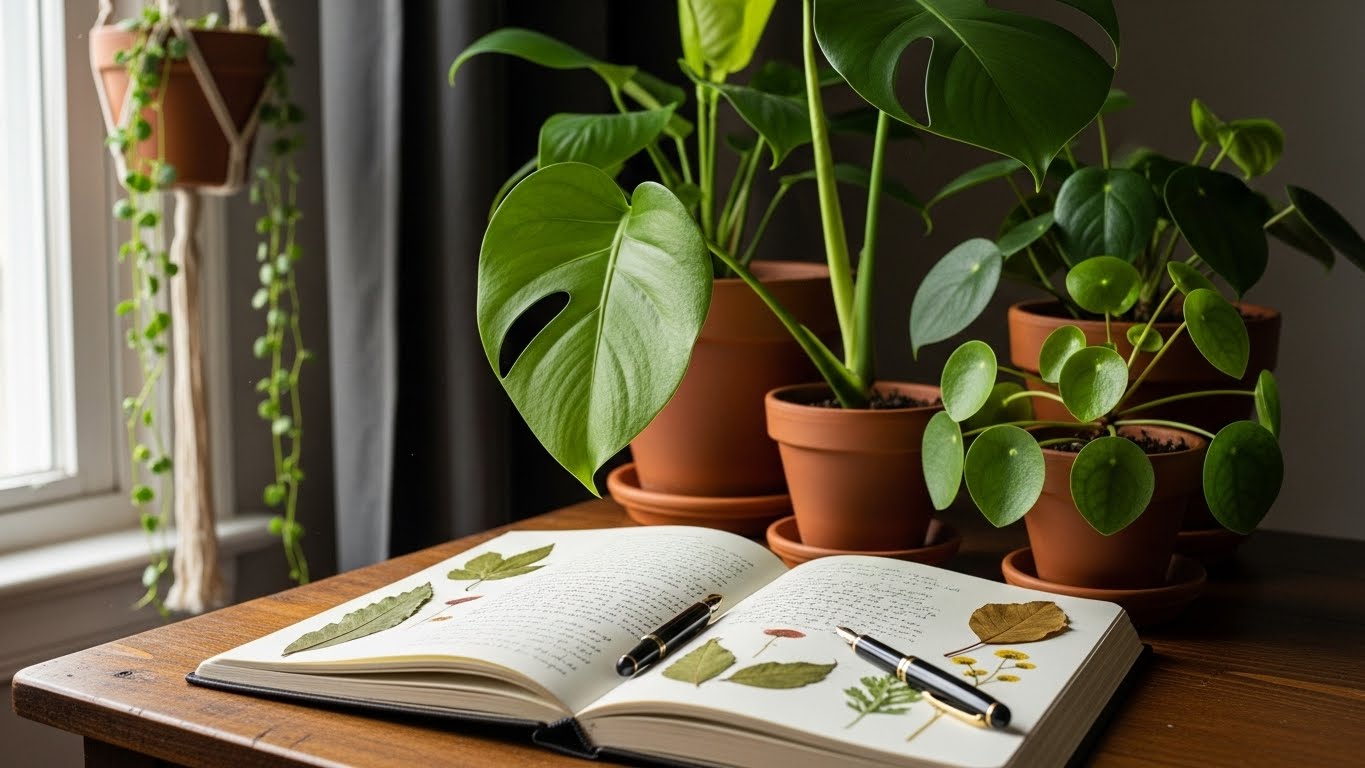
Tracking plant care with a journal is a fun and effective way to keep your plants thriving. Start by choosing a journal that inspires you, whether it’s a classic notebook or a digital app. Include essential details like watering schedules, growth notes, and pest observations. Organize your entries by plant type, and track changes in light exposure, humidity, and fertilizing needs. Regularly reviewing your notes helps you adjust care routines, making it easier to nurture your green friends. Stick around to discover more tips on enhancing your plant care experience!
Choosing the Right Journal for Plant Care
💡 Tracking your plants’ growth is essential for effective care. This guide offers practical journaling tips to help you monitor their progress.
➜ Get the step-by-step guide
When you’re ready to track your plant care journey, choosing the right journal can make all the difference in keeping your green friends happy and healthy. You’ll find various journal types to suit your style, whether you prefer a classic notebook or a structured planner filled with prompts. Some folks love the tactile feel of pen on paper, while others enjoy the convenience of digital options. Apps and online platforms can help you track watering schedules, light requirements, and growth progress effortlessly. Think about what makes you excited to write—colorful designs or neat layouts—and choose a format that inspires you to engage with your plants regularly. Happy journaling brings joy to your plant care experience!
Essential Information to Include
When you start tracking your plant care, it’s essential to include key details like your watering schedule and notes on how your plants are growing. Keeping tabs on when you water helps you establish a routine and guarantees your plants get the right amount of hydration. Plus, jotting down observations about their growth gives you insights into what works best for each plant, so you can keep them thriving!
Watering Schedule Tracking
How can you guarantee your plants thrive and stay hydrated? Tracking your watering schedule is key. By paying attention to watering frequency and moisture levels, you’ll keep your green friends happy. Here’s how to do it effectively:
- Log your watering days: Write down when you water each plant. This helps you see patterns in their needs.
- Note the moisture levels: Use your finger to check the soil’s dampness before you water. Record your findings to understand each plant’s thirst.
- Adjust as needed: If a plant seems droopy or too wet, tweak your schedule.
With this simple approach, you’ll create a nurturing environment that helps your plants flourish, and you’ll feel more connected to them along the way!
Growth Observation Notes
Tracking your plants’ growth is just as crucial as monitoring their watering schedule, since it helps you understand how well they’re adapting to their environment. By noting growth milestones, you can gauge your plants’ health and make adjustments if needed.
Here’s a simple table to help you organize your observations:
Date | Growth Milestone |
|---|---|
2023-10-01 | Sprouted first leaves |
2023-10-15 | Reached 3 inches tall |
2023-10-28 | New branches developing |
Regularly updating your journal with these observations can lead to deeper insights about your plant’s needs. Remember, each note is a step toward nurturing a thriving green companion, so don’t skip this crucial practice!
Organizing Your Journal by Plant Type
When you organize your journal by plant type, you make it easier to manage your plant care routine. Start by categorizing your plants by species, then record their specific care requirements, like sunlight and watering needs. Finally, tracking growth patterns will help you see how well your plants are thriving, giving you a clearer picture of what works best for each variety.
Categorize by Species
Organizing your plant care journal by species can make a world of difference in how you keep track of your green friends. By categorizing your plants this way, you’ll easily identify their species characteristics and understand their needs better. Here’s how to get started:
- Create sections for each plant family you own, like succulents, ferns, or flowering plants.
- Document specific traits for each species, such as leaf shape, growth habits, and preferred environments.
- Include care notes that highlight what makes each species unique, helping you provide personalized attention.
With this organization, you’ll feel more connected to your plants, ensuring they thrive while you enjoy their beauty. Happy journaling!
Record Care Requirements
💡 Understanding the health of your plants is crucial. Learn how to identify and recover from root rot to ensure your plants thrive.
➜ Discover proven techniques
Keeping track of your plants’ care requirements is essential for their health and happiness. To create a helpful journal, start organizing your entries by plant type. This way, you can easily reference specific plant requirements. For each plant, jot down care guidelines like watering frequency, light needs, and humidity preferences. Consider adding sections for fertilization schedules and pest control measures too. You might even include notes on what works best, so you can adjust your care strategies as needed. By keeping everything organized, you’ll not only nurture your green friends more effectively but also enjoy the journey of watching them thrive. Your journal will become a personal guide, making plant care both enjoyable and rewarding!
Track Growth Patterns
💡 Proper fertilization is key to healthy plant growth. Discover advanced methods to support your Anthuriums’ blooms and overall health.
➜ Explore advanced methods
Tracking growth patterns is essential for understanding how your plants develop over time, and it can be an exciting part of your plant care journey. By organizing your journal by plant type, you’ll easily spot growth benchmarks and seasonal variations that matter. Here’s how to do it:
- Document Growth: Write down measurements every few weeks to see how your plants are thriving.
- Note Seasonal Changes: Record how different seasons affect your plants, like blooming or dormancy.
- Reflect on Care: Jot down any adjustments you made in care routines and how they impacted growth.
With this organized approach, you’ll build a deeper connection with your plants and truly appreciate their unique growth stories. Happy journaling!
Developing a Watering Schedule
When you begin to care for plants, creating a watering schedule is one of the most important steps you can take to guarantee they thrive. Start by observing your plants’ needs. Consider watering frequency; some plants like to dry out between waterings, while others prefer consistent moisture. Next, monitor humidity levels in your home. If your space is dry, you might need to water more often or mist your plants. Jot down your observations in your journal, noting when you water and how your plants respond. This way, you’ll develop a routine that suits their particular needs. Remember, a little love and attention go a long way in helping your green friends flourish!
Tracking Growth and Changes
To truly appreciate how your plants are growing, it’s essential to document their progress and any changes you notice over time. Keeping a journal helps you identify growth milestones and understand how environmental factors influence your plants. Here are three tips for tracking their growth:
Documenting your plants’ growth is key to understanding their progress and the impact of their environment.
- Measure and Record: Note the height and width of your plants weekly, so you can see how quickly they’re growing.
- Photograph Regularly: Take pictures from the same angle to visually capture your plants’ transformations.
- Monitor Conditions: Jot down changes in light, temperature, and humidity to see how these factors affect growth.
Noting Pests and Diseases
Pests and diseases can sneak up on your plants, making it essential to keep a close eye on any unusual changes. Start by jotting down notes on pest identification whenever you notice tiny insects or strange spots on leaves. Your journal can be a lifesaver in spotting patterns, helping you recognize what’s harmful before it spreads. For instance, if you see aphids munching on your plant, write it down alongside the date and your treatment method. This way, you can track what works for disease prevention and learn what doesn’t. Regularly updating your journal keeps you informed and engaged, ensuring your plants stay healthy and vibrant, ready to thrive in your care!
Reflecting on Seasonal Care Adjustments
As the seasons change, so do your plants’ needs, making it essential to reflect on how you can adjust your care routine. Embracing seasonal adjustments can lead to healthier plants and a more enjoyable gardening experience. Here are three care strategies to evaluate:
- Watering: Adjust your watering frequency; many plants need less water in winter and more during the summer heat.
- Light Exposure: Move your plants closer to windows in winter for that much-needed sunlight, but provide shade in the summer to avoid scorching.
- Fertilizing: Reassess your fertilizing schedule; some plants thrive with less nutrition during dormancy and need more during their growing season.
Reviewing and Updating Your Journal Regularly
Once you’ve adjusted your plant care routine for the changing seasons, it’s time to take a closer look at your plant journal. Regularly reviewing your journal is essential for understanding your plants’ needs and tweaking your care routine. Consider setting a review frequency that works for you—weekly or monthly can be great starting points.
As you flip through your entries, pay attention to your journal layout. Is it organized? Can you easily find past notes? If not, don’t hesitate to revamp it. Add sections for seasonal changes, growth observations, or even new plant arrivals. The more engaging and clear your journal is, the better you’ll connect with your plants and their unique journeys.
Conclusion
By keeping a plant care journal, you’re not just tracking your plants, you’re also becoming a better gardener! For example, imagine you notice your fern is drooping. You check your journal, see you’ve been watering it less than usual, and adjust your schedule. This simple step can help your plant thrive. So, grab a journal, stay organized, and watch your plants flourish as you record their journey. Happy gardening!
💡 Repotting can be a delicate process. Master the approach to repot your Anthuriums safely and effectively.
➜ Master this approach


